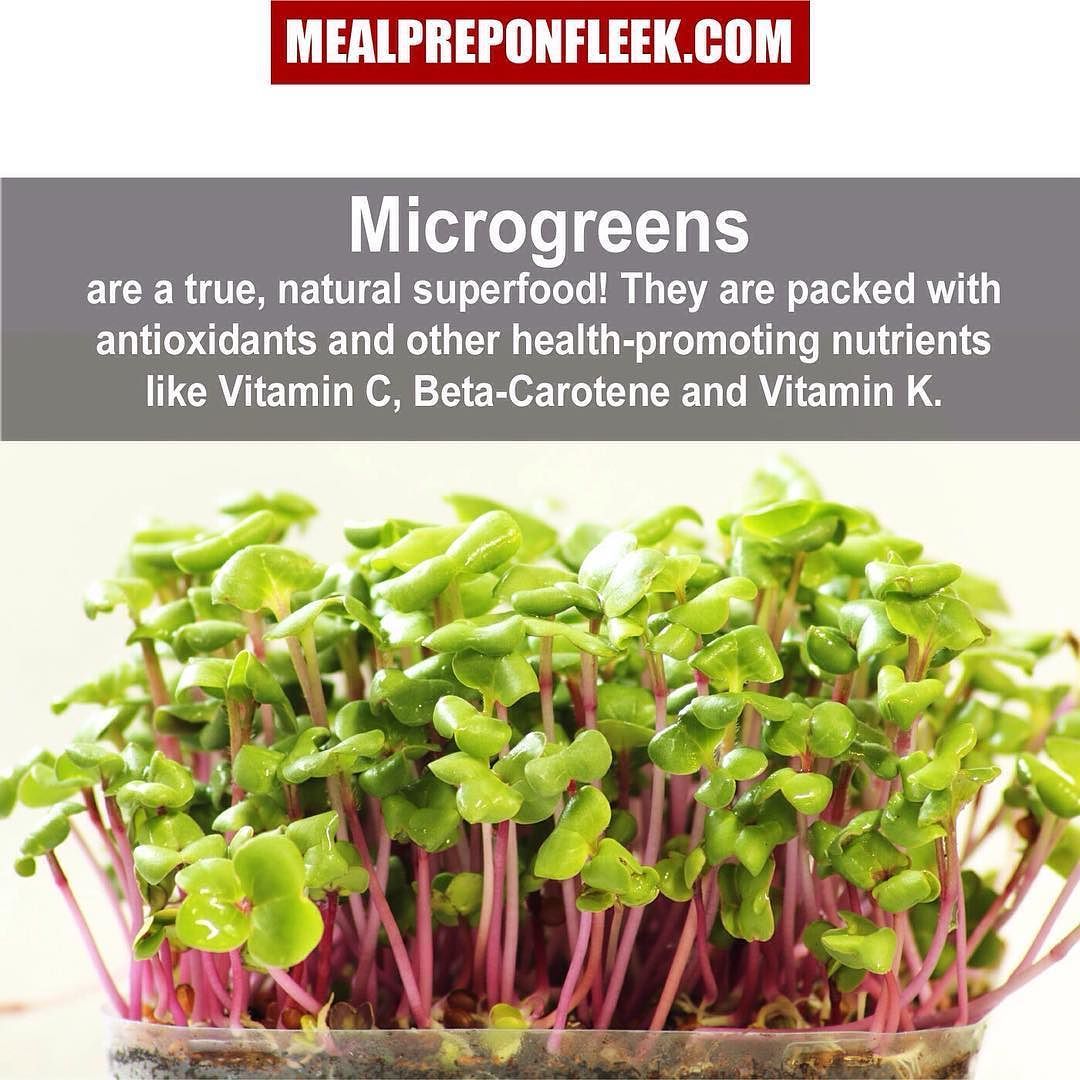
Microgreens, the miniature versions of leafy vegetables and herbs, have been gaining popularity in recent years. These tiny greens are harvested at an early stage of growth, usually within two weeks after germination. Despite their small size, microgreens pack a nutritional punch and offer a range of health benefits. In this article, we will explore some of the reasons why incorporating microgreens into your diet can be beneficial.
1. High Nutrient Content: One of the primary advantages of consuming microgreens is their exceptional nutrient density. Research has shown that these young plants contain higher concentrations of vitamins, minerals, and antioxidants compared to their mature counterparts. For instance, studies have found that red cabbage microgreens can contain up to six times more vitamin C than mature red cabbage leaves. This potent nutritional profile makes microgreens a valuable addition to any healthy eating plan.
2. Antioxidant Powerhouse: Microgreens are rich in antioxidants which play a crucial role in protecting our cells from damage caused by harmful molecules called free radicals. The high levels of antioxidants found in microgreens help combat oxidative stress and inflammation in the body, thereby reducing the risk of chronic diseases like heart disease and cancer.
3. Improved Digestion: With their fiber-rich composition, including microgreens in your meals can aid digestion by promoting regular bowel movements and preventing constipation. Additionally, consuming foods high in dietary fiber has been associated with better gut health as it promotes the growth of beneficial bacteria in the digestive tract.
4. Weight Management: If you’re looking to shed some pounds or maintain a healthy weight, microgreens could be your secret weapon! These greens are low in calories but packed with essential nutrients that contribute to satiety and reduce cravings for unhealthy snacks between meals.
5. Enhanced Eye Health: Several types of microgreens such as kale and spinach contain carotenoids like lutein and zeaxanthin known for their positive impact on eye health. These compounds have been linked to a reduced risk of age-related macular degeneration (AMD) and cataracts, two common eye conditions that can impair vision.
6. Cardiovascular Support: Microgreens like broccoli and arugula are rich in nutrients such as potassium, folate, and dietary nitrates that support heart health. Potassium helps regulate blood pressure levels, while folate aids in reducing homocysteine levels – an amino acid associated with cardiovascular diseases. Dietary nitrates found in microgreens help widen blood vessels, improve blood flow, and lower the risk of hypertension.
7. Versatile Culinary Uses: Apart from their nutritional benefits, microgreens also add vibrant colors, textures, and flavors to dishes. Their delicate taste makes them excellent additions to salads, sandwiches, smoothies, wraps or used as garnishes on various savory or sweet dishes.
8. Easy to Grow at Home: Growing your own microgreens is simple and requires minimal space and time commitment. You can grow these greens indoors using trays or containers with soil or hydroponically without soil by sprouting seeds on moist paper towels or mats. This way you can ensure a constant supply of fresh microgreens throughout the year.
In conclusion, incorporating microgreens into your diet can be a great way to boost your nutrient intake without adding many calories to your meals. Whether you grow them yourself or purchase from local farmers’ markets or grocery stores, these tiny greens offer numerous health benefits ranging from improved digestion and weight management to cardiovascular support and enhanced eye health. So why not give them a try? Your body will thank you for it!

Leave a Reply