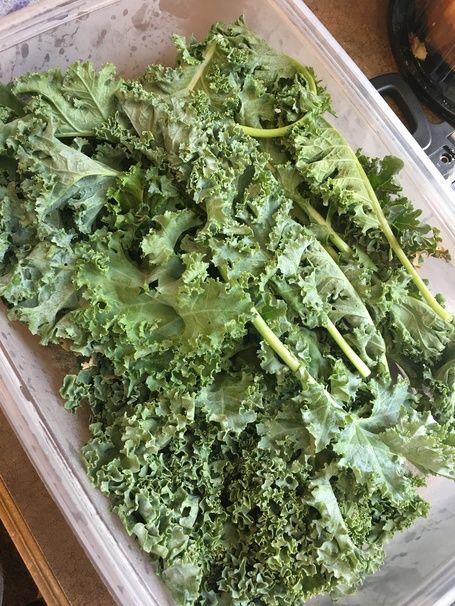
Storing and Preserving Kale: A Guide to Keeping Your Greens Fresh
Kale, with its numerous health benefits and versatility, has become a staple in many households. This leafy green is packed with nutrients like vitamins A, C, and K, as well as minerals like calcium and potassium. Whether you grow your own kale or buy it from the grocery store or farmers’ market, knowing how to properly store and preserve it is essential to keep it fresh for longer periods.
In this guide, we will explore various methods of storing kale so that you can enjoy its goodness whenever you desire. From simple refrigerator storage techniques to creative preservation methods like freezing and dehydrating, we’ve got you covered.
1. Storing Kale in the Refrigerator:
When it comes to keeping kale fresh in the refrigerator, there are a few key steps to follow:
a) Trim: Start by trimming off any damaged or wilted leaves from your bunch of kale.
b) Rinse: Give the remaining leaves a thorough rinse under cold water to remove any dirt or debris.
c) Dry: Use a salad spinner or gently pat dry with paper towels to remove excess moisture. Wet kale can easily turn slimy when stored.
d) Storage container: Place the dried leaves in an airtight container lined with paper towels. Layering them between sheets of paper towel helps absorb excess moisture and keeps them crisp.
e) Fridge placement: Store your container of kale in the vegetable crisper drawer of your refrigerator. The cool temperature will help maintain freshness while protecting against wilting.
2. Freezing Kale:
Freezing kale is an excellent option if you have an abundance of this leafy green or want to stock up for later use. Follow these steps for freezing kale:
a) Prepare: Trim away any tough stems from each leaf before blanching.
b) Blanching: Bring a large pot of water to boil and blanch the kale leaves for around 2 minutes. This helps preserve the color, texture, and nutrients.
c) Ice bath: Immediately transfer the blanched kale to an ice bath to stop the cooking process. This step is crucial for retaining color and preventing overcooking.
d) Drain and dry: Once cooled, drain the kale and gently press out any excess water. A salad spinner can also be used to remove moisture effectively.
e) Portioning: Divide the kale into smaller portions or leave it whole according to your preference. Freezing in smaller quantities allows you to take out only what you need without thawing a large batch.
f) Freezer bags or containers: Place the portioned kale into freezer-safe bags or airtight containers, removing as much air as possible before sealing. Label with date and contents for easy identification later on.
g) Freeze: Lay flat in your freezer until fully frozen. Once solid, you can stack them neatly if space is limited.
3. Dehydrating Kale:
Dehydrating kale is a fantastic way to create crispy chips that make a healthy snack alternative while preserving its nutritional value. Follow these steps for dehydrating kale:
a) Preparing: Wash your kale thoroughly under cold water and pat dry using paper towels or a salad spinner.
b) Removing stems: Remove tough stems from each leaf by folding it in half lengthwise and cutting along both sides of the stem.
c) Tear into bite-sized pieces: Tear the remaining leaves into manageable bite-sized pieces suitable for snacking.
d) Seasoning (optional): If desired, toss your torn leaves with olive oil, salt, pepper, or other seasonings of choice for added flavor before dehydrating.
e) Dehydrator setup: Arrange seasoned or plain leaves on dehydrator trays in a single layer without overlapping them too closely together. Ensure proper airflow within your dehydrator.
f) Dehydrating process: Set your dehydrator to around 125°F (52°C) and let the kale dry for approximately 4-6 hours. Check occasionally until they reach a crispy texture. The time may vary depending on thickness and humidity levels.
g) Cool and store: Allow the dried kale chips to cool completely before transferring them into airtight containers or ziplock bags. Store in a cool, dark place away from direct sunlight.
By following these storage and preservation methods, you can extend the shelf life of your kale while maintaining its freshness, taste, and nutritional value. Whether you choose to refrigerate, freeze, or dehydrate it depends on personal preference and intended use. Experiment with different methods to find what works best for you!
Remember that while stored kale retains its nutrients well, over time, some vitamin loss is inevitable. Therefore, it’s always best to consume fresh kale whenever possible. Enjoy incorporating this superfood into your meals knowing that you have various options for storing and preserving it!

Leave a Reply