Permaculture Design: A Sustainable Approach to Healthy Eating and Living
In today’s fast-paced world, where convenience often takes precedence over sustainability, it is becoming increasingly important to adopt practices that promote healthier living while minimizing our impact on the environment. Permaculture design offers a solution by providing a sustainable approach to not only growing food but also creating harmonious ecosystems that support diverse plant and animal life. In this article, we will explore what permaculture design is all about and how it can contribute to healthy eating.
What is Permaculture?
Permaculture, short for “permanent agriculture” or “permanent culture,” is an ecological design system that aims to create sustainable human settlements by observing and mimicking natural patterns. Developed in the 1970s by Bill Mollison and David Holmgren, permaculture encompasses various disciplines such as ecology, biology, horticulture, architecture, and community development.
At its core, permaculture focuses on three main ethics: care for the earth (conserving resources and minimizing waste), care for people (meeting basic needs and promoting social well-being), and fair share (equitable distribution of resources). These ethics guide practitioners in designing systems that work with nature rather than against it.
Principles of Permaculture Design
To implement permaculture effectively, there are twelve principles that serve as guidelines for designing sustainable systems:
1. Observe & Interact: By closely observing nature’s patterns and processes within a given landscape or ecosystem, we can better understand how different elements interact with one another.
2. Catch & Store Energy: Utilize renewable energy sources like sunlight through techniques such as solar panels or passive solar design.
3. Obtain a Yield: Every element in a permaculture system should provide multiple functions or benefits; otherwise known as “stacking functions.”
4. Apply Self-Regulation & Accept Feedback: Continuously monitor the system’s performance and make adjustments based on feedback from the environment.
5. Use & Value Renewable Resources & Services: Prioritize resources that can be replenished naturally over time, such as wind, water, and regenerative agriculture practices.
6. Produce No Waste: Design systems that minimize waste by utilizing efficient recycling and composting techniques.
7. Design from Patterns to Details: Start with the larger patterns in a landscape or ecosystem and gradually zoom into the finer details of design.
8. Integrate Rather Than Segregate: Create mutually beneficial relationships between different elements within a system to enhance overall productivity and stability.
9. Use Small & Slow Solutions: Implement changes incrementally rather than seeking quick fixes, allowing for more thorough observation and adaptation along the way.
10. Use & Value Diversity: Embrace diversity in both plant and animal species to create resilient ecosystems capable of withstanding various disturbances or challenges.
11. Use Edges & Value the Marginal: Utilize transitional areas where different ecosystems meet (e.g., forest edges) to maximize biodiversity and productivity.
12. Creatively Use & Respond to Change: Foster adaptability by designing systems that can respond effectively to changing circumstances or unexpected events.
Permaculture Techniques for Healthy Eating
One of the primary benefits of permaculture design is its ability to provide individuals with access to fresh, organic produce while reducing their ecological footprint significantly. Here are some key techniques used in permaculture for healthy eating:
1. Food Forests:
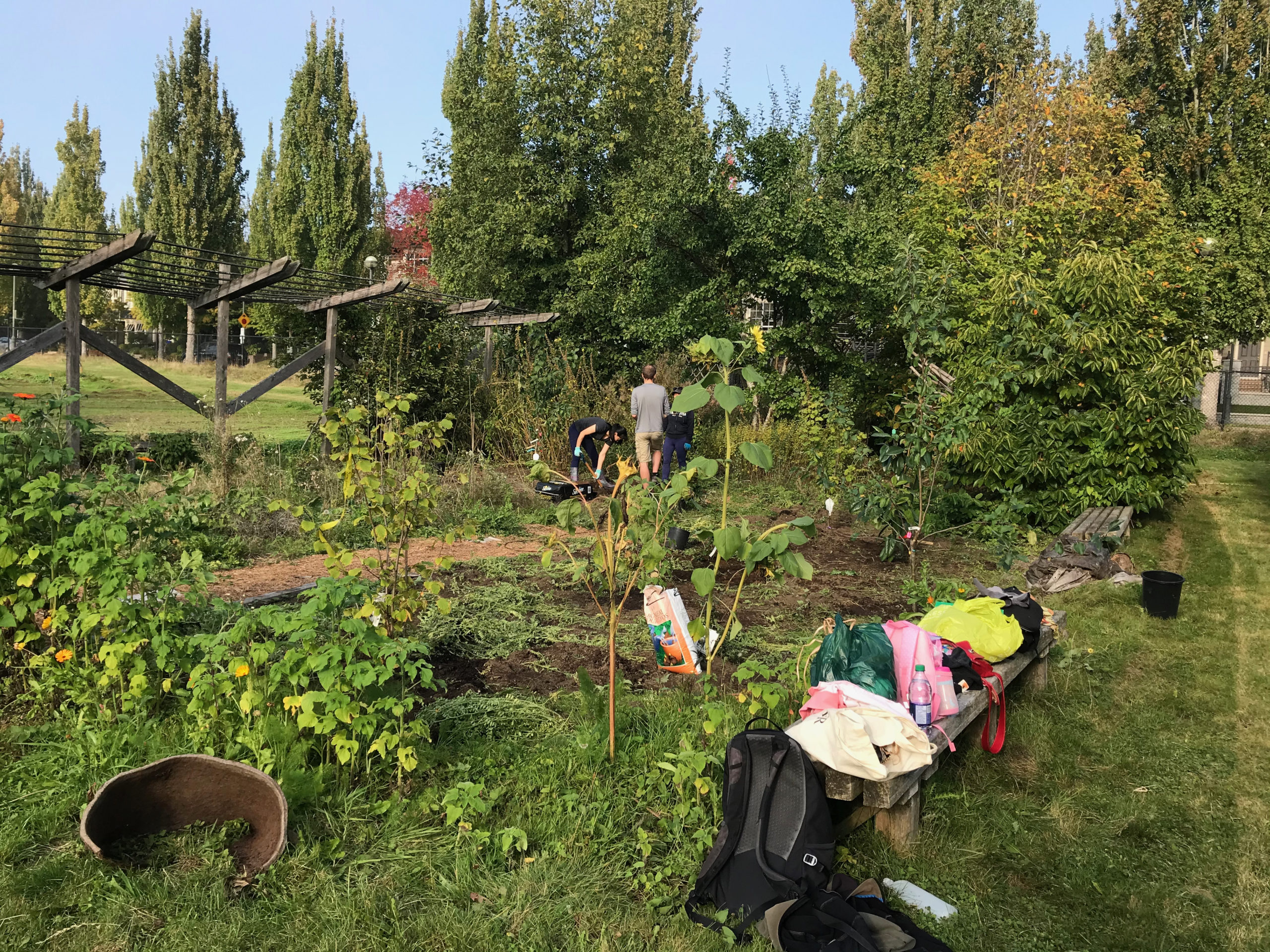
Food forests mimic natural forests by incorporating layers of edible plants, such as fruit trees, shrubs, herbaceous plants (like herbs), groundcovers (such as strawberries), vines (like grapes), climbers (such as passionfruit), root crops, and fungi like mushrooms in an integrated manner.

Leave a Reply