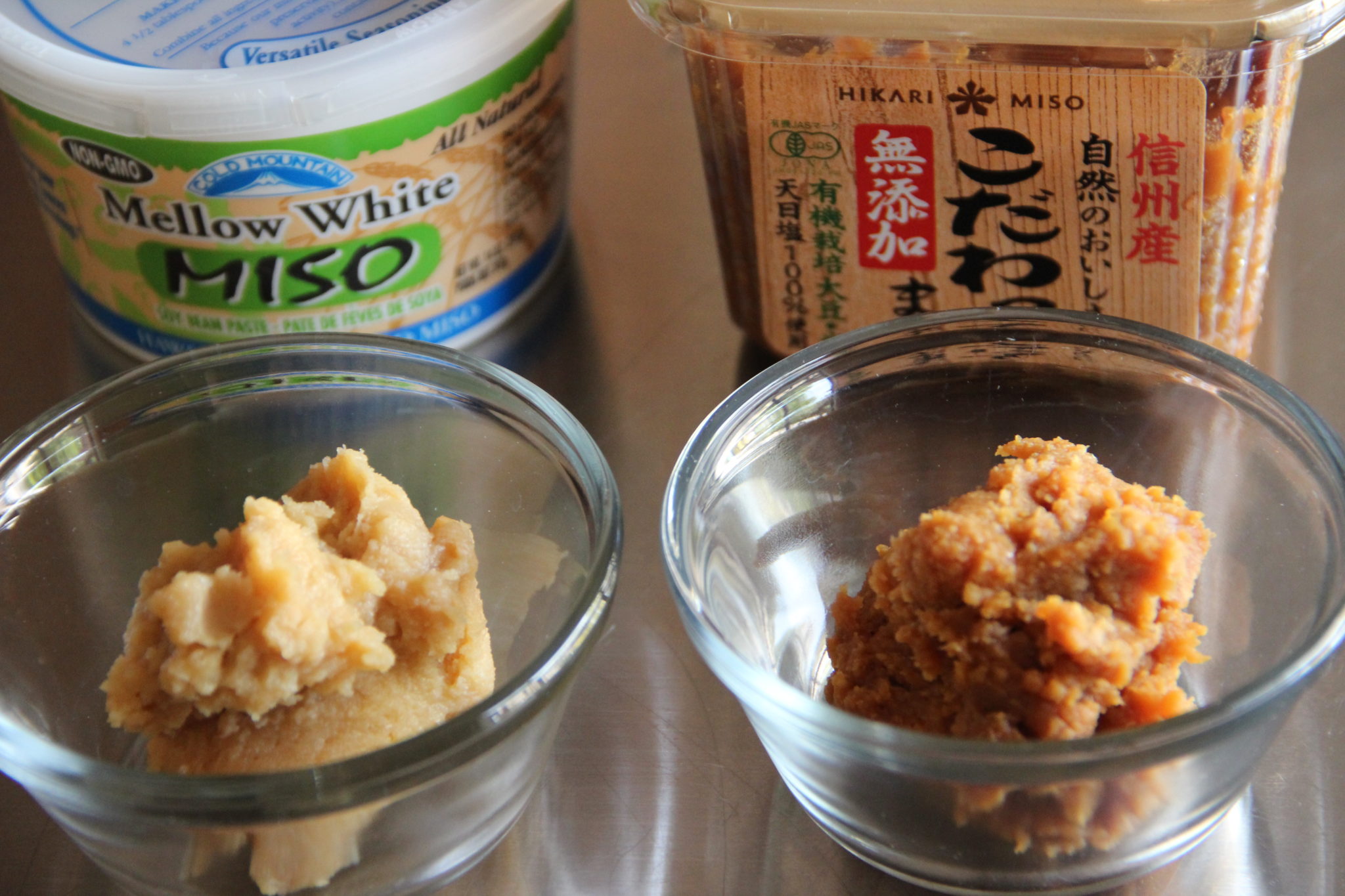
Miso is a traditional fermented Japanese food that has gained popularity worldwide due to its unique flavor and numerous health benefits. Made from soybeans, rice, barley, or other grains, miso paste is known for its rich umami taste and versatility in cooking. But besides being a delicious ingredient, miso also boasts an impressive nutritional profile that makes it a valuable addition to any healthy eating plan.
One of the key components of miso is protein. Soy-based miso contains all nine essential amino acids, making it a complete source of protein for vegetarians and vegans. Protein is essential for building and repairing tissues, supporting immune function, and producing enzymes and hormones in the body. Including miso in your diet can help ensure you meet your daily protein requirements.
In addition to protein, miso is packed with vitamins and minerals. It contains significant amounts of manganese, copper, zinc, potassium, and phosphorus. These minerals play crucial roles in various bodily functions such as bone health, nerve function, energy production, and immune system support.
Miso also provides several B vitamins including thiamine (B1), riboflavin (B2), niacin (B3), pyridoxine (B6), folic acid (B9), and cobalamin (B12). B vitamins are necessary for converting food into energy and maintaining proper brain function. They are particularly important for vegetarians and vegans who may have limited sources of these vitamins in their diets.
Another standout nutrient found in miso is probiotics – beneficial bacteria that support gut health. During the fermentation process of making miso paste, live cultures such as lactobacillus are formed which contribute to its probiotic content. Probiotics promote a healthy balance of gut bacteria by crowding out harmful microbes that could cause digestive issues or weaken the immune system.
Moreover, consuming probiotics has been linked to improved digestion as they help break down food and enhance nutrient absorption. They may also play a role in reducing inflammation, boosting mood, and supporting overall immune function. Including miso in your diet can contribute to maintaining a healthy gut microbiome.
One potential consideration when consuming miso is its sodium content. Miso is naturally high in sodium due to the fermentation process and the addition of salt during production. While it provides flavor to dishes, individuals with hypertension or those following a low-sodium diet should be mindful of their intake.
To reduce sodium levels, you can opt for lower-sodium varieties of miso or use smaller amounts when cooking. Additionally, choosing organic miso made from non-GMO soybeans can ensure you are getting a higher quality product without any unnecessary additives.
Miso is incredibly versatile and can be used in various recipes such as soups, marinades, dressings, and even desserts. Its unique umami taste adds depth of flavor to dishes without overpowering other ingredients. When using miso in recipes that require heating or boiling (such as soups), it’s important to add it towards the end of the cooking process to preserve its beneficial probiotics.
In conclusion, incorporating miso into your diet not only enhances the taste of your meals but also provides numerous health benefits. From being a complete source of protein to offering essential vitamins and minerals like manganese and B vitamins, miso is an excellent addition for those looking to improve their nutritional intake. Just remember to consume it in moderation if you are watching your sodium intake. So go ahead and explore the world of miso with its delicious flavors and nourishing properties!

Leave a Reply