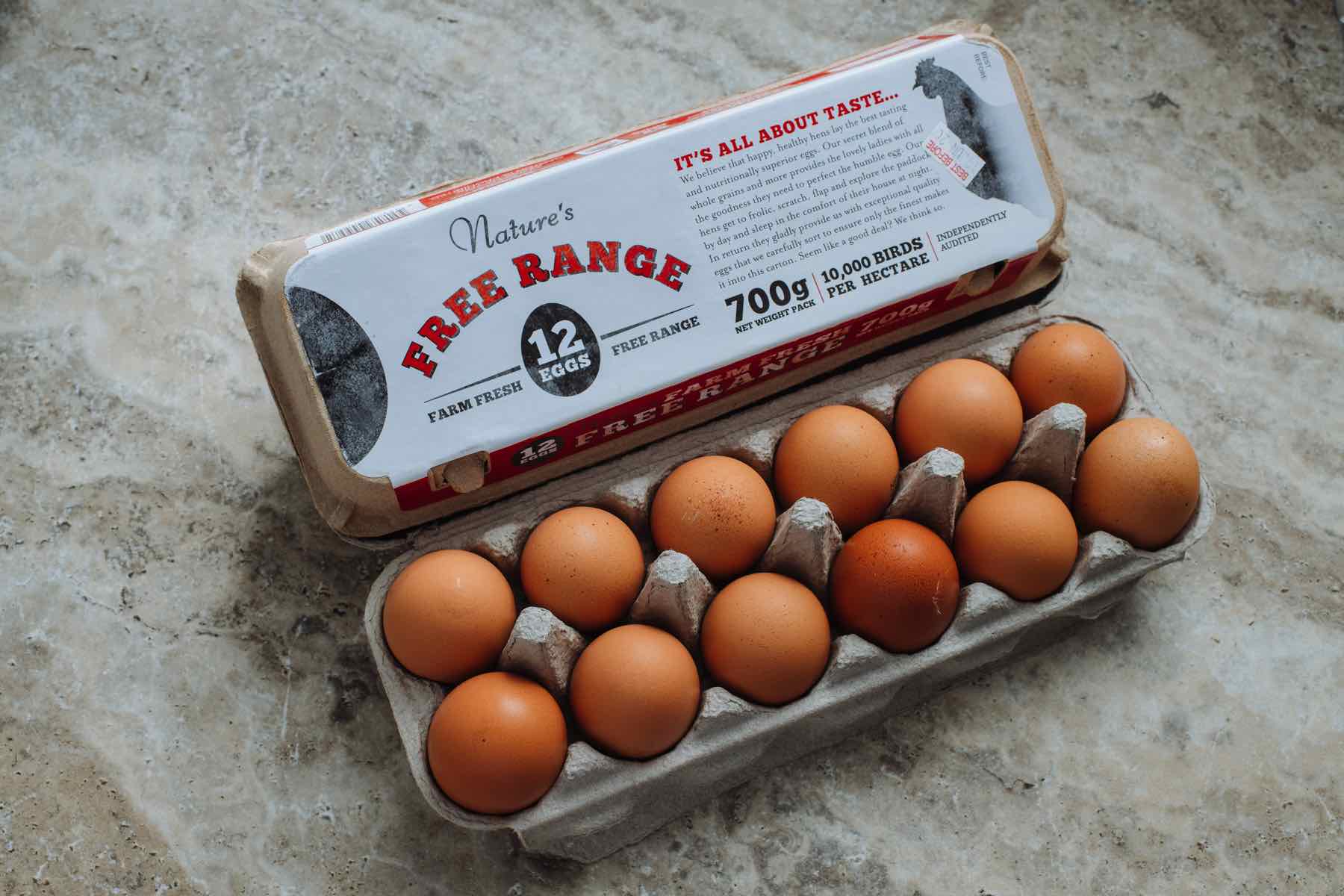
When it comes to making healthy choices, many people opt for free-range eggs. Not only are they delicious, but they also come with the promise of being more ethical and sustainable than their conventional counterparts. However, what exactly does “free-range” mean? And how can we ensure that the label is not just a marketing ploy?
Let’s start by understanding the basics. Free-range eggs are produced by hens that have access to outdoor spaces where they can roam freely and engage in natural behaviors like scratching the ground and pecking at insects. Sounds idyllic, right? Well, not always.
The problem lies in the lack of defined standards for labeling eggs as free-range. In many cases, all it takes is a small door leading to a tiny yard for producers to claim their operation is free-range. The reality is that these yards often offer limited space and minimal exposure to sunlight or natural elements.
To address this issue, some countries have introduced stricter regulations. For instance, in Europe, free-range hens must have access to outdoor areas covered with vegetation and a minimum space requirement per bird. While this provides some level of assurance for consumers, there are still loopholes that enable producers to cut corners.
One such loophole is the use of pop-holes – small openings through which hens can go outside – which allows farmers to keep thousands of birds confined indoors while technically meeting the definition of “free-range.” It’s clear that more needs to be done regarding labeling standards.
So what can consumers do? First and foremost, educate yourself about different certification programs and their requirements for free-range egg production. Look out for labels from reputable organizations such as Certified Humane or Animal Welfare Approved. These certifications ensure higher animal welfare standards and provide transparency throughout the entire production process.
If you’re truly passionate about supporting ethical farming practices, consider buying directly from local farmers who allow farm visits or participate in community-supported agriculture (CSA) programs. This way, you can see firsthand how the hens are raised and make an informed decision about the eggs you consume.
In conclusion, while free-range eggs may seem like a better choice, it’s important to be aware of the labeling standards (or lack thereof) in your region. Don’t rely solely on generic labels; dig deeper into certification programs and support local farmers who prioritize animal welfare. By being informed consumers, we can advocate for stricter regulations and truly ensure that our free-range eggs come from happy and healthy hens.

Leave a Reply