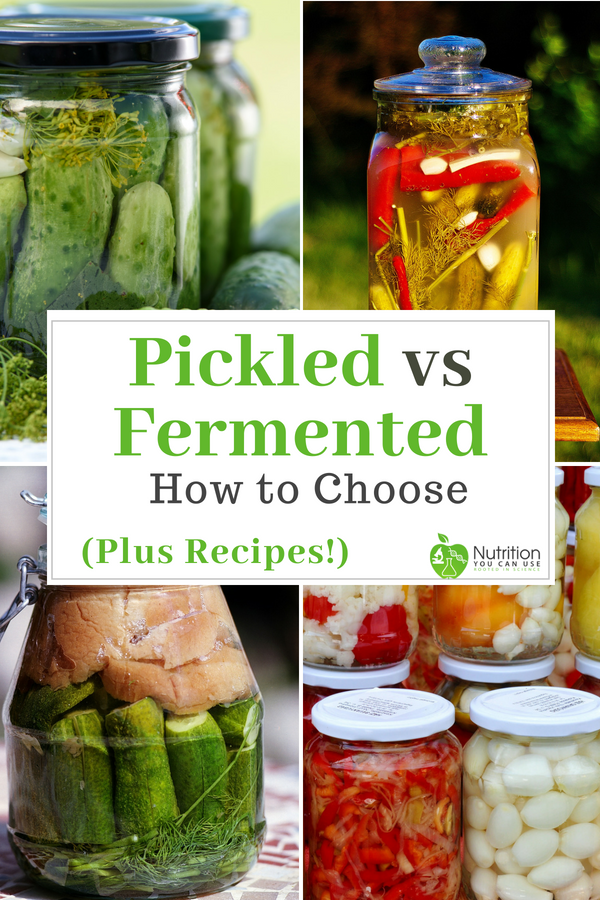
Fermentation vs. Pickling: Similarities and Differences
When it comes to preserving food, fermentation and pickling are two popular methods that have been used for centuries. While both techniques aim to extend the shelf life of perishable foods, they differ in terms of process, ingredients, and resulting flavors. In this article, we will explore the similarities and differences between fermentation and pickling to help you understand these age-old preservation methods.
1. The Process:
Fermentation:
Fermentation is a natural metabolic process where microorganisms such as bacteria or yeasts convert sugars into acids, gases, or alcohol. In food preservation, the most common form of fermentation involves lacto-fermentation. This process occurs in an anaerobic (oxygen-free) environment.
Pickling:
Pickling involves submerging fruits or vegetables in an acidic solution known as brine. Brine can be made from vinegar or a mixture of water and salt with added spices for flavor. The acid in the brine helps preserve the food by creating an inhospitable environment for spoilage-causing bacteria.
2. Ingredients:
Fermentation:
In fermentation, the primary ingredient is often a single vegetable like cabbage for sauerkraut or cucumbers for pickles. Salt is crucial in controlling microbial growth during fermentation by inhibiting harmful bacteria while allowing beneficial ones to thrive.
Pickling:
Unlike fermentation which relies on naturally occurring microbes, pickling uses vinegar as its main ingredient along with water and salt for making brine solutions. Additional ingredients such as sugar, herbs, spices or garlic can be added to enhance flavor profiles.
3. Health Benefits:
Both fermentation and pickling offer health benefits due to their transformational effect on food:
Fermentation:
The lactobacilli present during fermenting produce enzymes that break down complex carbohydrates into simpler forms that are easier to digest. Fermented foods also contain probiotics, live bacteria that promote gut health and aid digestion. Examples of fermented foods include yogurt, kefir, kimchi, and tempeh.
Pickling:
While pickles made with vinegar lack the live cultures found in fermented foods, they still offer some health benefits. Vinegar is known to have antimicrobial properties and may help control blood sugar levels. Additionally, pickled fruits and vegetables retain their vitamin C content during the pickling process.
4. Flavor Profiles:
Fermentation:
The flavor profiles of fermented foods are often described as tangy or sour due to the presence of lactic acid produced by bacteria during fermentation. The longer the fermentation period, the stronger the tanginess becomes. Fermented foods can also develop complex umami flavors over time.
Pickling:
Pickled foods have a distinct acidic taste due to the use of vinegar in brine solutions. The flavor is influenced by spices and herbs added to the brine mixtures such as dill for dill pickles or turmeric for pickled beets. Unlike fermentation, where flavors evolve over time, pickled food retains its original taste even after prolonged storage.
5. Shelf Life:
Fermentation:
Properly fermented foods can have an extended shelf life ranging from weeks to months when stored in a cool environment like a refrigerator or root cellar. However, it’s important to note that some changes in texture may occur over time.
Pickling:
Due to their high acidity levels created by vinegar-based brines, pickled foods have an even longer shelf life compared to fermented ones. Depending on various factors such as pH level and temperature at which they are stored; properly prepared pickles can last several months up to a year or more.
6. Culinary Uses:
Fermentation:
Fermented foods are versatile ingredients used in various culinary applications around the world. Sauerkraut pairs well with sausages and sandwiches, kimchi is a staple in Korean cuisine, and miso paste adds depth of flavor to soups and marinades.
Pickling:
Pickled foods are often enjoyed as condiments or accompaniments to meals. Pickles can be served alongside burgers or sandwiches as a tangy side dish. Pickled onions add a punch of flavor to salads or tacos while pickled ginger is commonly served with sushi.
In conclusion, both fermentation and pickling offer unique ways to preserve food while enhancing flavors. Fermentation relies on the activity of natural microorganisms, resulting in complex flavors and beneficial bacteria, whereas pickling uses vinegar-based brines for a distinct acidic taste. Whether you prefer the tanginess of fermented foods or the sharpness of pickles, incorporating these preserved delights into your diet can provide various health benefits along with exciting culinary experiences.

Leave a Reply