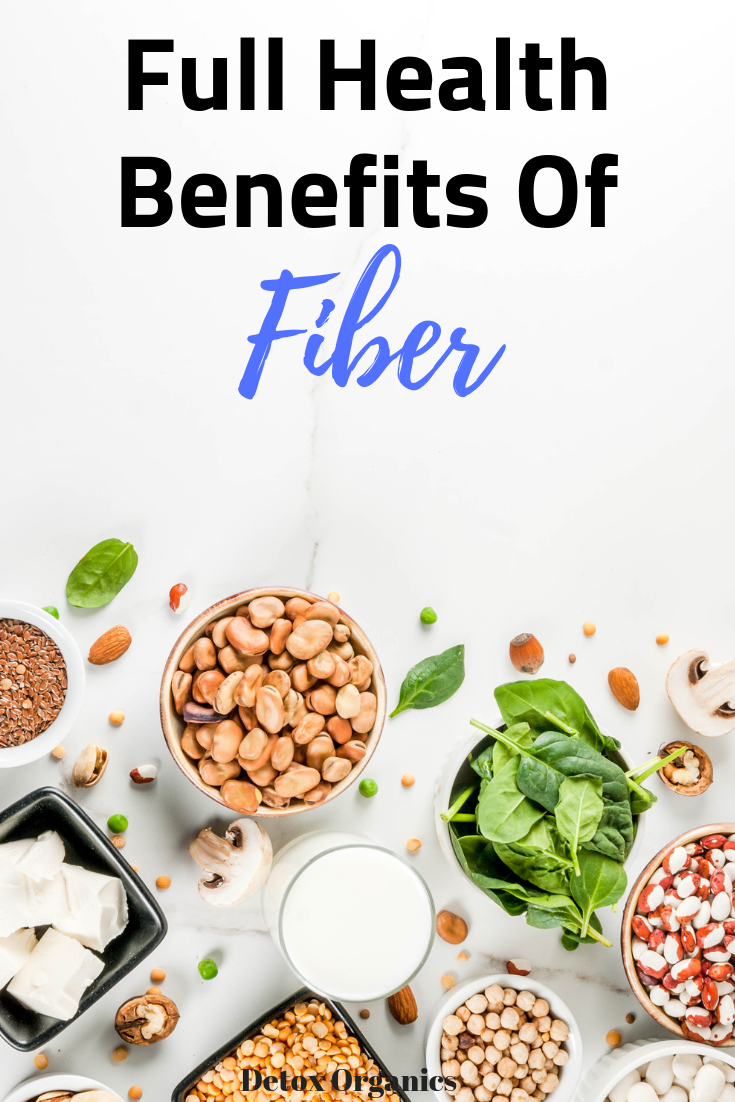
Fiber is an essential component of a healthy diet. It plays a crucial role in supporting digestion, maintaining gut health, and preventing various chronic diseases. Despite its importance, many people do not consume enough fiber in their daily meals. In this article, we will explore the benefits of fiber and why it should be an integral part of your diet.
1. Promotes Digestive Health
One of the primary benefits of consuming an adequate amount of fiber is that it promotes digestive health. Fiber acts as a natural laxative by adding bulk to the stool, making it easier to pass through the intestines. This helps prevent constipation and promotes regular bowel movements.
Moreover, fiber also aids in maintaining a healthy balance of gut bacteria. Certain types of fiber are considered prebiotics, which means they serve as food for beneficial bacteria in our gut. By nourishing these friendly microbes, fiber helps maintain a healthy gut microbiome, improving overall digestion and reducing the risk of gastrointestinal disorders such as irritable bowel syndrome (IBS) and inflammatory bowel disease (IBD).
2. Controls Blood Sugar Levels
Including high-fiber foods in your diet can have significant benefits for blood sugar control, particularly for individuals with diabetes or those at risk of developing diabetes. Soluble fibers found in foods like oats, legumes, fruits, and vegetables form a gel-like substance when digested that slows down the absorption rate of glucose into the bloodstream.
This slower absorption prevents spikes in blood sugar levels after meals and helps keep them more stable throughout the day. Additionally, maintaining stable blood sugar levels can reduce insulin resistance over time and lower the risk of developing type 2 diabetes.
3. Supports Weight Management
Fiber-rich foods are often low in calories but provide satiety due to their high volume and ability to absorb water. Including ample amounts of fiber-rich foods such as whole grains, fruits, vegetables, nuts, seeds, and legumes in your diet can help you feel fuller for longer, reducing the chances of overeating or snacking on unhealthy foods.
Moreover, fiber slows down the digestion process, which can further contribute to weight management. It delays gastric emptying and nutrient absorption, promoting a feeling of fullness even after consuming smaller portions. This makes it easier to control calorie intake and maintain a healthy weight.
4. Improves Heart Health
A high-fiber diet has been shown to have numerous benefits for heart health. Soluble fibers found in oats, barley, legumes, and certain fruits like apples and citrus fruits are known to lower LDL cholesterol levels (the “bad” cholesterol). By binding with cholesterol in the digestive tract and preventing its absorption into the bloodstream, fiber helps reduce overall cholesterol levels and decreases the risk of developing heart disease.
Additionally, some studies suggest that fiber-rich diets may also help reduce blood pressure levels. High blood pressure is a significant risk factor for cardiovascular diseases such as heart attacks and strokes. By promoting better blood pressure control, adequate fiber intake contributes to maintaining a healthy heart.
5. Supports Healthy Weight Loss
If you’re trying to lose weight or maintain a healthy body weight, including enough fiber in your meals is highly beneficial. As mentioned earlier, high-fiber foods tend to be more filling while being relatively low in calories compared to their volume.
Fiber-rich foods are often less energy-dense than processed foods high in added sugars and unhealthy fats. This means that by choosing whole grains instead of refined grains or opting for fresh fruits instead of sugary snacks, you can consume larger portions without consuming excessive calories.
Furthermore, when combined with regular physical activity and an overall balanced diet plan focused on whole foods rich in essential nutrients, an increased intake of dietary fiber can enhance weight loss efforts by improving satiety while supporting proper digestion.
6. Reduces the Risk of Chronic Diseases
Consuming an adequate amount of fiber has been linked to a reduced risk of various chronic diseases. For instance, studies have shown that a high-fiber diet can lower the risk of developing colorectal cancer. Fiber helps regulate bowel movements, reducing the time that potentially harmful compounds spend in contact with the colon lining.
Furthermore, high-fiber foods are typically rich in antioxidants and other beneficial phytochemicals. These compounds help neutralize free radicals and reduce inflammation throughout the body, which can contribute to decreased risks of conditions like heart disease, certain types of cancers, and neurodegenerative disorders such as Alzheimer’s disease.
7. Enhances Skin Health
Maintaining healthy skin is not only about using external products but also about nourishing your body from within. A diet rich in fiber plays a role in promoting healthy skin by supporting proper digestion and detoxification processes.
Fiber acts as a natural cleanser for your digestive system by aiding regular bowel movements and preventing constipation. When waste materials are efficiently eliminated from the body, it reduces the likelihood of toxins being reabsorbed into circulation or excreted through the skin.
Additionally, consuming fruits and vegetables rich in fiber provides essential vitamins, minerals, and antioxidants necessary for maintaining youthful-looking skin. These nutrients help protect against oxidative stress caused by UV radiation and environmental pollutants while promoting collagen synthesis for healthier skin structure.
In conclusion, including an adequate amount of fiber in your daily diet offers numerous health benefits. From supporting digestive health to reducing the risk of chronic diseases like diabetes and heart disease, fiber plays a crucial role in overall well-being. By incorporating whole grains, legumes, fruits, vegetables, nuts, seeds into your meals regularly along with drinking ample water throughout the day will ensure you reap all these fantastic benefits that dietary fiber has to offer!

Leave a Reply