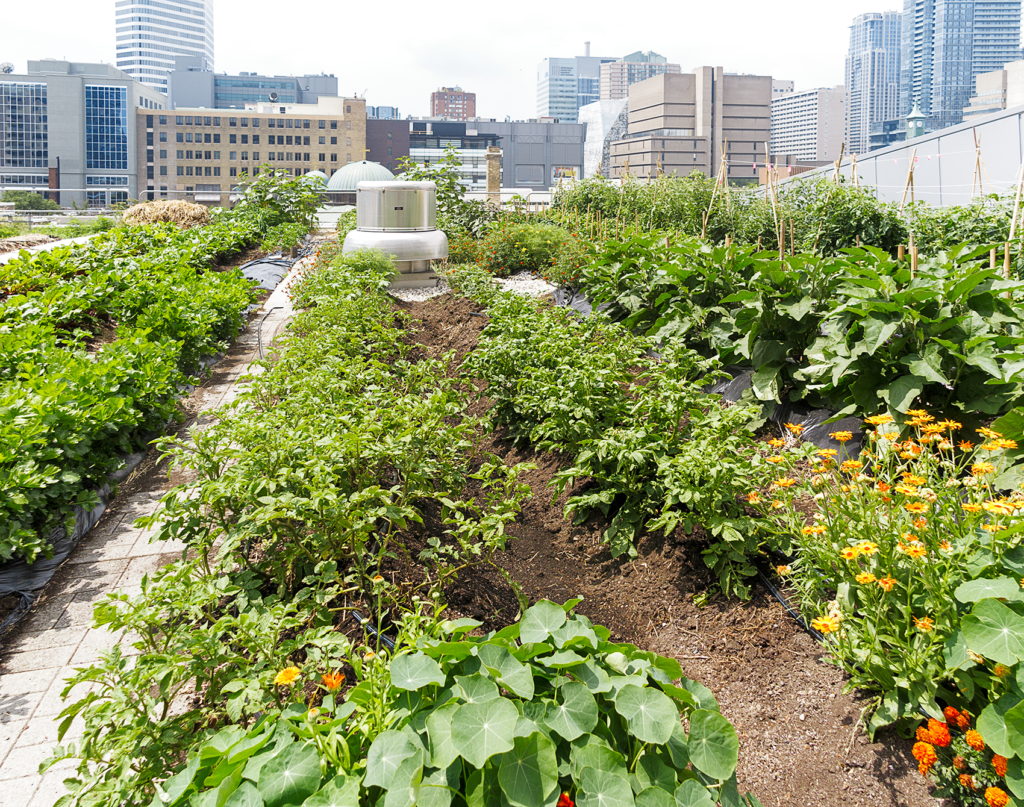
Urban Farming: A Guide to Growing Your Own Food in the City
Introduction:
In recent years, there has been a growing trend towards urban farming as more and more people are becoming interested in growing their own food. Urban farming offers numerous benefits, such as access to fresh and organic produce, reduced carbon footprint, and increased food security. Whether you have a small balcony, rooftop space, or even just a sunny windowsill, it is possible to grow your own vegetables, herbs, and fruits right in the heart of the city. In this guide, we will explore the basics of urban farming and provide you with practical tips on how to get started.
Choosing the Right Plants:
Before diving into urban farming, it’s important to choose plants that are well-suited for your specific environment. Consider factors such as available sunlight (at least 6 hours per day), temperature fluctuations throughout the year, and space limitations. Here are some popular options for urban farming:
1. Leafy Greens: Lettuce varieties like romaine or butterhead can be grown easily in containers or hydroponic systems. They require minimal space and have a short harvesting period.
2. Tomatoes: Compact varieties such as cherry tomatoes or patio tomatoes thrive well in pots or hanging baskets.
3. Herbs: Basil, parsley, chives, rosemary – these aromatic herbs can be grown indoors near a sunny window or outdoors on a balcony.
4. Root Vegetables: Radishes and carrots can be grown successfully in deep containers if you don’t have access to garden beds.
Choosing Containers:
When it comes to urban farming, choosing suitable containers is essential since most city dwellers lack traditional garden plots. Here are some container options based on plant type:
1. Raised Beds: If you have enough outdoor space like a backyard or rooftop area available for gardening purposes; building raised beds using wooden planks allows better control over soil quality.
2. Pots and Planters: Clay, terracotta, plastic or fabric pots are excellent choices for growing herbs, leafy greens, and compact vegetables like tomatoes. Ensure your containers have proper drainage holes.
3. Vertical Gardens: For those with limited space, vertical gardens can be a game-changer. These systems utilize wall-mounted planters or hanging pockets to maximize growing space.
Soil and Fertilizers:
Using high-quality soil is crucial for the success of your urban farm. If you’re using containers, opt for a well-draining potting mix that contains organic matter such as compost or worm castings. Avoid using garden soil as it may contain weed seeds and pests.
To ensure healthy growth of your plants, consider incorporating organic fertilizers into your routine. Compost tea or seaweed-based fertilizers provide essential nutrients without harmful chemicals.
Watering Techniques:
Urban farming often requires more frequent watering due to the limited water-holding capacity of containers compared to traditional garden beds. Here are some tips to keep in mind when watering your urban garden:
1. Observe Moisture Levels: Check the moisture level of the soil by sticking your finger about an inch deep into the container’s soil; if it feels dry, it’s time to water.
2. Water Deeply: When watering, make sure to saturate the entire root zone thoroughly rather than just wetting the surface.
3. Mulching: Apply a layer of mulch (such as straw or wood chips) around plants to retain moisture and reduce evaporation from the soil surface.
4. Drip Irrigation Systems: Consider installing drip irrigation systems for larger setups; this helps deliver water directly to plant roots while reducing wastage through evaporation.
Pest Control:
One challenge faced by urban farmers is managing pests in confined spaces where chemical pesticides may not be ideal due to health concerns and potential harm to beneficial insects like bees and butterflies. Here are some eco-friendly pest control methods:
1. Companion Planting: Certain plants repel pests naturally, so consider planting marigolds, nasturtiums, or lavender alongside your vegetables to deter pests.
2. Homemade Sprays: Neem oil, garlic spray, or soap-based solutions can help protect your plants from common pests when applied regularly.
3. Integrated Pest Management (IPM): IPM involves a combination of preventive measures such as proper sanitation, regular inspections for early detection of pests and diseases, and the use of biological controls like ladybugs or praying mantises.
Harvesting and Storage:
The joy of urban farming comes with harvesting your own fresh produce. Here are some general guidelines for harvesting and storing different types of crops:
1. Leafy Greens: Harvest outer leaves once they reach an edible size while allowing inner leaves to continue growing.
2. Tomatoes: Pick tomatoes when they have reached their desired color and firmness; store them at room temperature until fully ripe.
3. Herbs: Prune herbs frequently by removing the top one-third of the plant to encourage bushier growth; store in loosely wrapped damp paper towels inside a plastic bag in the refrigerator.
Conclusion:
Urban farming offers a rewarding experience that allows you to connect with nature even in the midst of a bustling cityscape. By carefully selecting suitable plants, containers, soil mixtures, implementing proper watering techniques, managing pests organically, and harvesting at the right time – you can create a thriving urban garden that provides you with fresh produce throughout the year. So why not start your journey into urban farming today? With a little creativity and dedication, anyone can become an urban farmer!

Leave a Reply