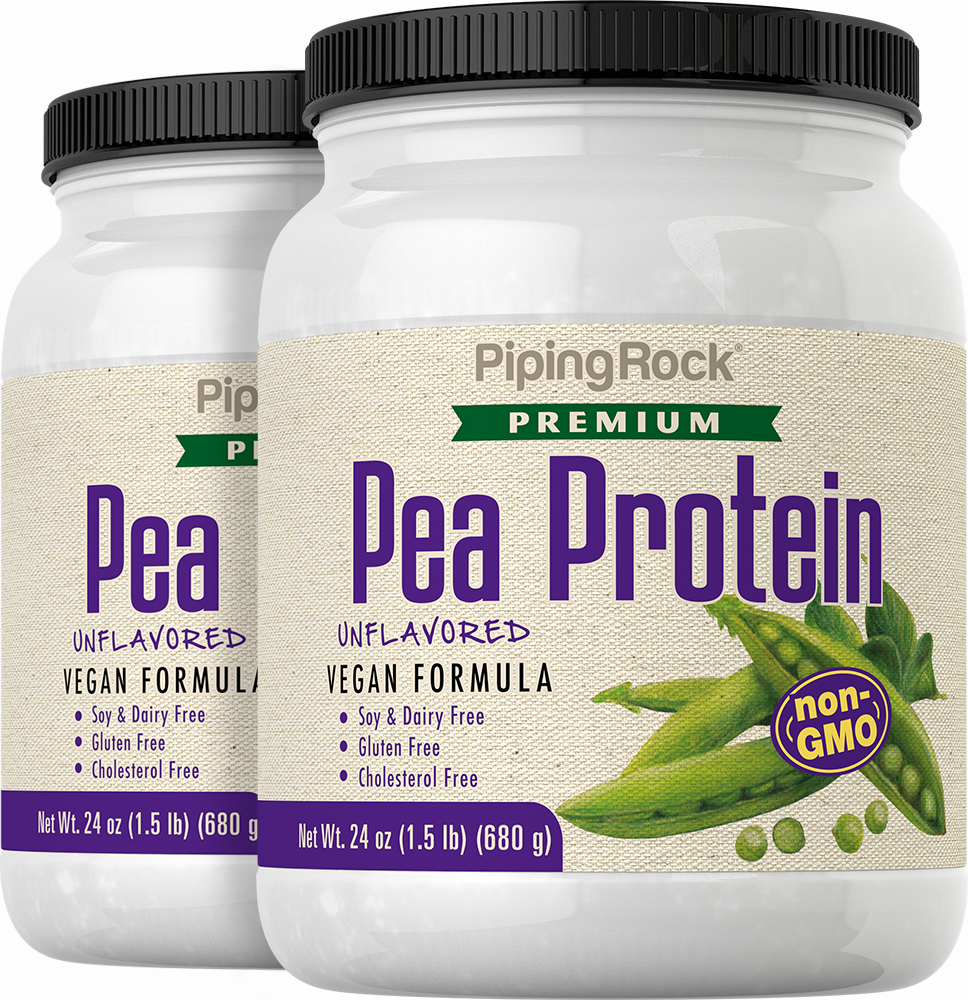
Pea protein powder has gained immense popularity in recent years as a plant-based alternative to traditional whey or soy protein powders. Made from yellow split peas, this powder is not only a great source of protein but also offers numerous health benefits. In this interview-style post, we will explore the wonders of pea protein powder with an expert.
Interviewer: Thank you for joining us today. Can you please introduce yourself and explain your expertise in the field?
Expert: Of course! My name is Dr. Sarah Johnson, and I am a registered dietitian specializing in plant-based nutrition. I have been researching and working with various plant proteins for over ten years.
Interviewer: Fantastic! Let’s jump right into it then. What makes pea protein powder so popular among health enthusiasts?
Expert: There are several reasons why pea protein powder has gained such popularity. Firstly, it is highly digestible, making it suitable for people with sensitive stomachs or digestive issues. Pea protein is also hypoallergenic compared to other common allergens like dairy or soy, making it an excellent choice for those with food sensitivities or allergies.
Interviewer: That’s interesting! Apart from being easily digestible and hypoallergenic, what are some other benefits of consuming pea protein powder?
Expert: One significant benefit of pea protein is its high amino acid profile, particularly containing branched-chain amino acids (BCAAs). BCAAs play a crucial role in muscle recovery and growth after exercise. Additionally, pea protein contains arginine, which aids in blood flow regulation and overall heart health.
Another advantage is that pea protein generally contains no cholesterol or saturated fats found in animal-based proteins while still providing essential nutrients like iron and vitamin B12—making it an ideal choice for vegans or vegetarians looking to meet their nutritional needs.
Interviewer: It sounds like there are many advantages to using pea protein powder! How does one incorporate it into their diet?
Expert: There are numerous ways to include pea protein powder in your diet. It can be easily added to smoothies, baked goods, or even mixed with water as a post-workout shake. Many people also use it as a substitute for flour in recipes or mix it into oatmeal or yogurt for an extra protein boost.
Interviewer: Lastly, are there any precautions one should take when consuming pea protein powder?
Expert: While pea protein is generally safe for most individuals, those with underlying kidney conditions may need to monitor their intake due to its higher arginine content. Additionally, like any dietary supplement, moderation is key. It’s always best to consult with a healthcare professional before adding any new supplements to your routine.
Interviewer: Thank you so much for sharing all this valuable information about pea protein powder! We truly appreciate your expertise and insights.
Expert: You’re welcome! It was my pleasure. I hope this helps individuals make informed choices about incorporating pea protein powder into their healthy eating journey.

Leave a Reply