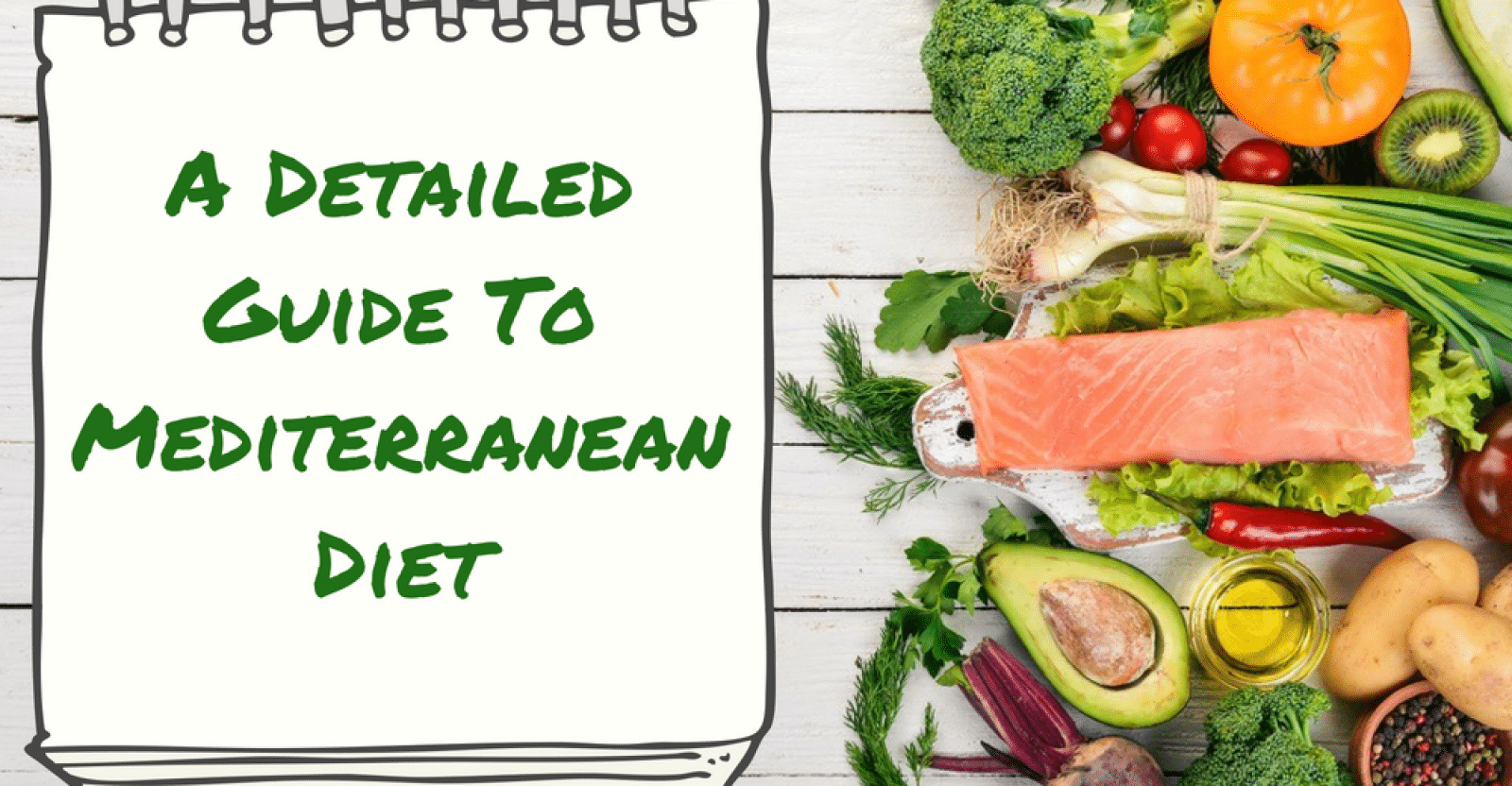
The Mediterranean diet has gained popularity in recent years for its many health benefits, including promoting heart health and weight loss. But did you know that this eating pattern can also do wonders for your skin? Yes, it’s true! Incorporating the principles of the Mediterranean diet into your daily routine can help you achieve healthier, glowing skin. In this post, we will explore how this diet can improve your overall skin health and provide tips on incorporating Mediterranean-inspired meals into your daily menu.
Before diving into the specifics of how the Mediterranean diet benefits your skin, let’s take a moment to understand what exactly this eating pattern entails. The traditional Mediterranean diet is based on the culinary traditions of countries bordering the Mediterranean Sea, such as Greece, Italy, Spain, and Turkey. It emphasizes whole foods like fruits, vegetables, whole grains, legumes, nuts and seeds. Healthy fats like olive oil are a staple in this diet while red meat consumption is limited.
Now let’s delve into how adopting a Mediterranean-style way of eating can promote healthy and radiant skin:
1. Antioxidant-rich foods: The abundance of colorful fruits and vegetables in the Mediterranean diet provides an array of antioxidants that help combat free radicals – unstable molecules that contribute to premature aging and other skin problems. Vitamins A, C, E found in these plant-based foods work together to protect against oxidative stress caused by environmental factors like pollution or UV exposure.
2. Omega-3 fatty acids: The inclusion of fatty fish such as salmon or sardines in the Mediterranean cuisine ensures an adequate intake of omega-3 fatty acids which play a vital role in maintaining healthy cell membranes throughout our body – including our skin cells. These healthy fats have anti-inflammatory properties that help reduce redness and inflammation associated with acne or other inflammatory conditions.
3. Healthy fats from olive oil: Olive oil is not only delicious but also one of the pillars of the traditional Mediterranean diet thanks to its numerous health benefits. It is rich in monounsaturated fatty acids that can help nourish and hydrate the skin, keeping it smooth and supple.
4. Reduced sugar intake: The Mediterranean diet emphasizes whole foods over processed ones, which naturally leads to a reduction in added sugars. High sugar consumption has been linked to increased inflammation and accelerated aging of the skin. By cutting back on sugary snacks and beverages, you are taking a step towards healthier skin.
5. Hydration from water-rich foods: Water is vital for maintaining healthy skin, and the Mediterranean diet incorporates many water-rich foods like cucumbers, tomatoes, melons, grapes, and leafy greens. These foods not only provide hydration but also essential vitamins and minerals that support overall skin health.
Now that we understand how the Mediterranean diet promotes healthy skin let’s explore some practical tips for incorporating this eating pattern into your daily routine:
1. Load up on fruits and veggies: Aim to fill half your plate with colorful fruits and vegetables at every meal. Try incorporating a variety of leafy greens like spinach or kale as well as other antioxidant-rich options like berries or citrus fruits.
2. Choose whole grains: Opt for whole grain alternatives such as quinoa, brown rice or whole wheat bread instead of refined grains like white rice or white bread. Whole grains are higher in fiber content which helps regulate blood sugar levels – another factor that plays a role in maintaining clear skin.
3. Include lean proteins: Incorporate lean proteins such as fish (salmon, mackerel), poultry (chicken breast), legumes (beans lentils) into your meals regularly. These protein sources offer essential amino acids necessary for collagen production – a key component responsible for maintaining skin elasticity.
4. Prioritize healthy fats: Replace unhealthy fats like butter or margarine with olive oil when cooking your meals – whether it be sautéing vegetables or drizzling it over salads. Nuts, seeds, and avocados are also great sources of healthy fats that you can include in your diet.
5. Limit red meat: While the Mediterranean diet does not eliminate red meat completely, it is consumed in moderation. Try to limit your intake to a few times per month and opt for leaner cuts when you do indulge.
6. Stay hydrated: In addition to consuming water-rich foods, make sure to drink plenty of water throughout the day to keep your skin hydrated from within.
Remember, adopting any new eating pattern takes time and patience. Start by making small changes and gradually incorporate more Mediterranean-inspired meals into your routine. Experiment with different herbs and spices commonly used in Mediterranean cuisine such as basil, oregano, rosemary or turmeric to add flavor without relying on excessive salt or unhealthy seasonings.
In conclusion, the Mediterranean diet offers numerous benefits beyond weight loss and heart health – it can also enhance your skin’s overall health and appearance. By incorporating antioxidant-rich fruits and vegetables, omega-3 fatty acids from fish, healthy fats like olive oil, reducing sugar intake, staying hydrated with water-rich foods, you can nourish your skin from within. So why not embark on this culinary journey towards healthier skin?

Leave a Reply