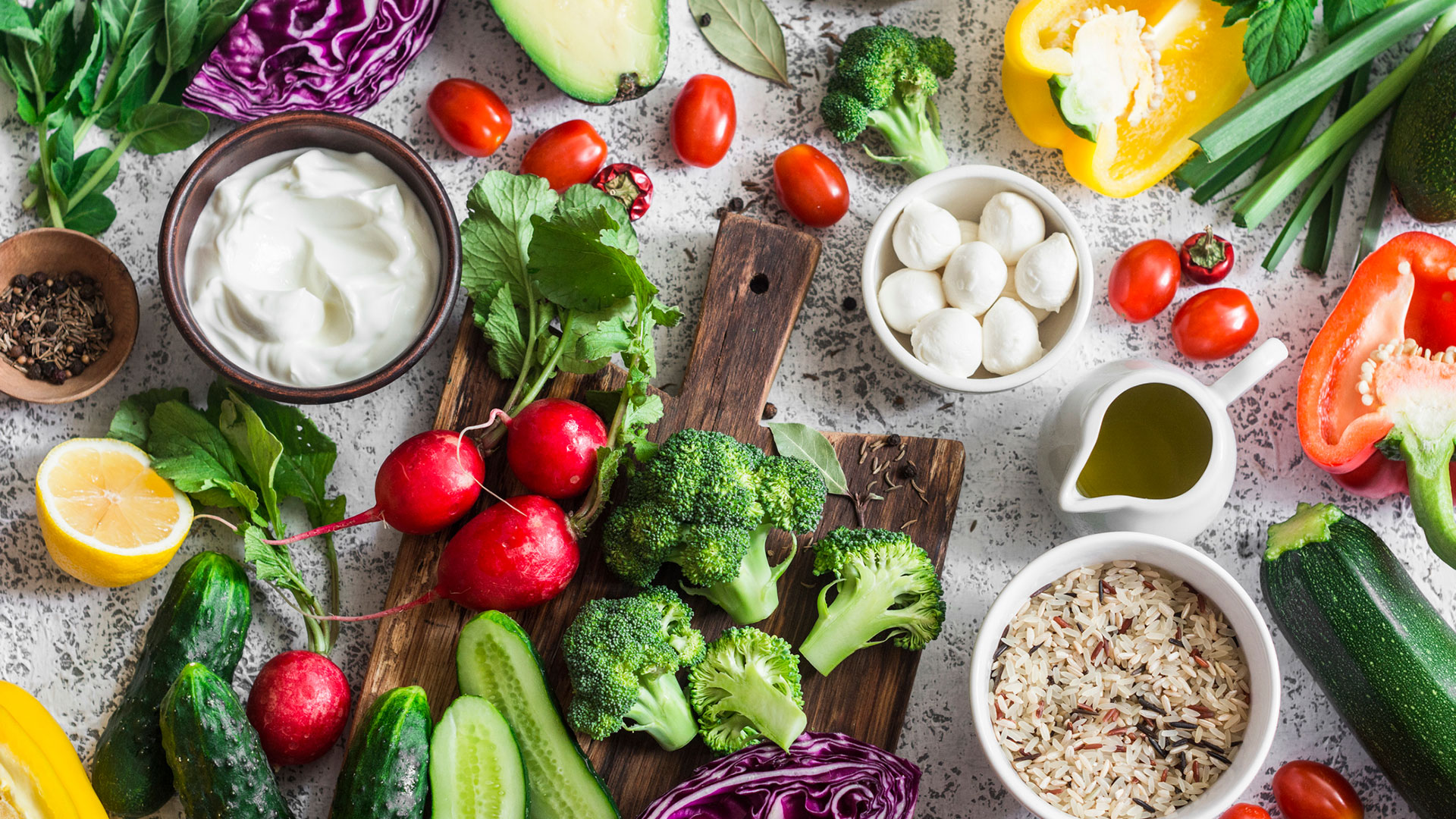
The Mediterranean diet is widely recognized as one of the healthiest dietary patterns in the world. It emphasizes consuming whole, unprocessed foods and incorporates plenty of fruits, vegetables, legumes, nuts, seeds, and olive oil. In addition to its numerous health benefits, this diet is also known for its delicious flavors and variety of ingredients. In this article, we will explore 25 different aspects of the Mediterranean diet to help you better understand its components and how they contribute to overall well-being.
1. The Role of Legumes in the Mediterranean Diet:
Legumes such as lentils, chickpeas, beans, and peas play a vital role in the Mediterranean diet. They are a great source of plant-based protein and fiber while being low in fat. Legumes provide essential nutrients like iron, folate, potassium, and magnesium. They also have a low glycemic index which helps regulate blood sugar levels.
2. Lesser-Known Mediterranean Herbs and Spices:
Mediterranean cuisine is renowned for its use of herbs and spices that add depth of flavor without adding excessive salt or unhealthy fats. Some lesser-known herbs commonly used include marjoram (a fragrant herb with a slightly sweet taste), sumac (a tangy spice with lemony notes), za’atar (a blend of dried thyme oregano sesame seeds), and saffron (derived from crocus flowers).
3. Fermented Foods in Mediterranean Cuisine:
Fermented foods like yogurt provide probiotics that promote gut health by supporting beneficial bacteria populations within our digestive system. Greek yogurt is particularly popular due to its creamy texture and high protein content.
4. Seafood Alternatives for Non-Fish Eaters:
While fish is an integral part of the traditional Mediterranean diet due to its omega-3 fatty acids content among other nutrients; non-fish eaters can still obtain these essential fatty acids through alternatives such as chia seeds, flaxseeds, walnuts, and algae-based supplements.
5. The Benefits of Consuming Olive Oil Daily:
Olive oil is the primary source of fat in the Mediterranean diet and offers numerous health benefits. It contains monounsaturated fats that can help reduce bad cholesterol levels, decrease inflammation in the body, and support heart health. Extra virgin olive oil is especially beneficial as it retains more antioxidants compared to refined oils.
6. Exploring Traditional Mediterranean Breakfast Options:
The Mediterranean diet encourages a wholesome breakfast that includes whole grains like oats or whole wheat bread, along with fruits, nuts or seeds, Greek yogurt or cottage cheese. This combination provides a balance of macronutrients and essential vitamins and minerals to start your day on a healthy note.
7. Incorporating More Whole Grains into a Mediterranean Diet:
Whole grains such as bulgur wheat, brown rice, quinoa are staples in the Mediterranean region. They are rich in fiber which aids digestion and helps maintain stable blood sugar levels while providing sustained energy throughout the day.
8. Nuts and Seeds: Underrated Sources of Nutrition in the Mediterranean Diet:
Nuts like almonds, walnuts, pistachios along with seeds including flaxseeds chia seeds sunflower seeds are commonly consumed in the Mediterranean diet for their high content of healthy fats protein dietary fiber vitamins minerals antioxidants.
9. Lesser-Known Fruits and Vegetables Used in Mediterranean Cooking:
In addition to well-known fruits like olives tomatoes grapes oranges apples pears; lesser-known options include figs pomegranates dates persimmons artichokes fennel eggplants Swiss chard radicchio Sicilian prickly pear cactus fruit called “Fico d’India.”
10. The Importance of Portion Control in a Mediterranean Diet:
While the focus is on nutrient-dense foods in this diet pattern; portion control remains important for maintaining overall calorie balance promoting weight management. Moderation is key to ensure the benefits of the Mediterranean diet are maximized.
11. Understanding the Different Types of Olives and Their Health Benefits:
Olives are a staple in Mediterranean cuisine, and they come in various types such as Kalamata, green, black, and others. Olives contain heart-healthy monounsaturated fats along with antioxidants that help fight inflammation and protect against chronic diseases.
12. The Role of Dairy Products in the Mediterranean Diet:
Dairy products like Greek yogurt, feta cheese, and goat cheese are consumed in moderation within the Mediterranean diet. They provide calcium, protein, and other essential nutrients while adding flavor to meals.
13. Exploring Alternative Protein Sources beyond Meat in the Mediterranean Diet:
The Mediterranean diet isn’t solely reliant on meat for protein; it incorporates plant-based sources such as legumes (mentioned earlier), tofu, tempeh soy products dairy eggs as alternative sources for people following vegetarian or flexitarian dietary patterns.
14. Traditional Desserts with a Healthy Twist in the Mediterranean Cuisine:
Mediterranean desserts often include fresh fruits drizzled with honey or yogurt topped with nuts seeds baked goods made from whole grains sweetened naturally dried fruits spices rather than relying heavily on refined sugars unhealthy fats found typical Western-style pastries cakes cookies.
15. The Impact of Fermented Dairy Products on Gut Health Within a Mediterranean Diet Context:
Fermented dairy products like yogurt provide probiotics that promote gut health by supporting beneficial bacteria populations within our digestive system. Greek yogurt is particularly popular due to its creamy texture and high protein content.
16. Incorporating More Plant-Based Proteins into a Mediterranean-Style Eating Plan:
Plant-based proteins can be incorporated into a Mediterranean-style eating plan through foods like legumes (again mentioned earlier), tofu, tempeh soy products quinoa chia seeds hemp seeds nutritional yeast which have gained popularity among vegetarians vegans due their nutrient profiles versatility culinary applications.
17. Lesser-Known Grains Used in Traditional Mediterranean Recipes:
Mediterranean cuisine includes lesser-known grains like freekeh farro bulgur wheat, and amaranth that offer a variety of textures flavors along with beneficial nutrients such as fiber protein B vitamins iron magnesium zinc.
18. The Art of Mindful Eating Within a Mediterranean Dietary Pattern:
The Mediterranean diet emphasizes the importance of savoring meals, eating slowly, and paying attention to hunger and fullness cues. This practice promotes mindful eating which has been associated with better digestion improved portion control enhanced satisfaction overall well-being.
19. Exploring Lesser-Known Fish Varieties Commonly Consumed in the Mediterranean Region:
While popular fish varieties like salmon tuna are commonly consumed; there are many other lesser-known options including sardines anchovies mackerel herring which provide omega-3 fatty acids vitamin D selenium calcium among other nutrients.
20. Traditional Condiments and Sauces That Enhance Flavor Without Compromising Health Goals:
Mediterranean cuisine utilizes various condiments sauces to add flavor without relying on excessive salt or unhealthy fats. Some examples include tzatziki (yogurt-based cucumber sauce) tahini (sesame seed paste) harissa (spicy red pepper paste) baba ganoush (smoky eggplant dip).
21. The Role of Honey as a Natural Sweetener within a Balanced Mediterranean Diet:
Honey is used as a natural sweetener in traditional Mediterranean recipes instead refined sugars artificial sweeteners. It contains antioxidants minerals may have potential health benefits when consumed moderation part balanced diet lifestyle.
22. Incorporating More Seasonal Produce into Your Mediterranean Meal Planning:
Seasonal fruits vegetables not only taste better but also tend to be more nutritious fresher compared out-of-season produce often transported long distances before reaching consumers’ plates; incorporating local seasonal foods supports sustainability healthier planet.
23. Understanding the Benefits and Drawbacks of Wine Consumption within a Healthy Eating Framework:
Moderate wine consumption is often associated with the Mediterranean diet. Red wine, in particular, contains antioxidants like resveratrol which may have heart-protective benefits. However, it’s important to consume alcohol responsibly and be aware of potential drawbacks such as addiction or adverse effects on certain individuals.
24. Traditional Fermented Beverages from the Mediterranean Region and Their Potential Health Benefits:
In addition to yogurt, fermented beverages like kefir (fermented milk drink) kombucha (fermented tea) are consumed in some Mediterranean cultures for their probiotic content potential positive impact gut health overall well-being.
25. The Impact of Social Connections and Communal Dining on Overall Well-Being within a Mediterranean Lifestyle:
The Mediterranean lifestyle not only focuses on food choices but also emphasizes social connections and communal dining experiences. Sharing meals with family friends has been shown to enhance enjoyment foster emotional well-being while promoting healthy eating habits through portion control balanced meal planning.
In conclusion, the Mediterranean diet offers a wide range of nutritious foods that promote optimal health and well-being. From legumes to herbs and spices, whole grains to olive oil, this dietary pattern provides an abundance of flavors while supporting various aspects of our health. By incorporating these elements into our daily lives, we can embrace the benefits of the Mediterranean diet and enjoy delicious meals that nourish our bodies and souls alike.

Leave a Reply