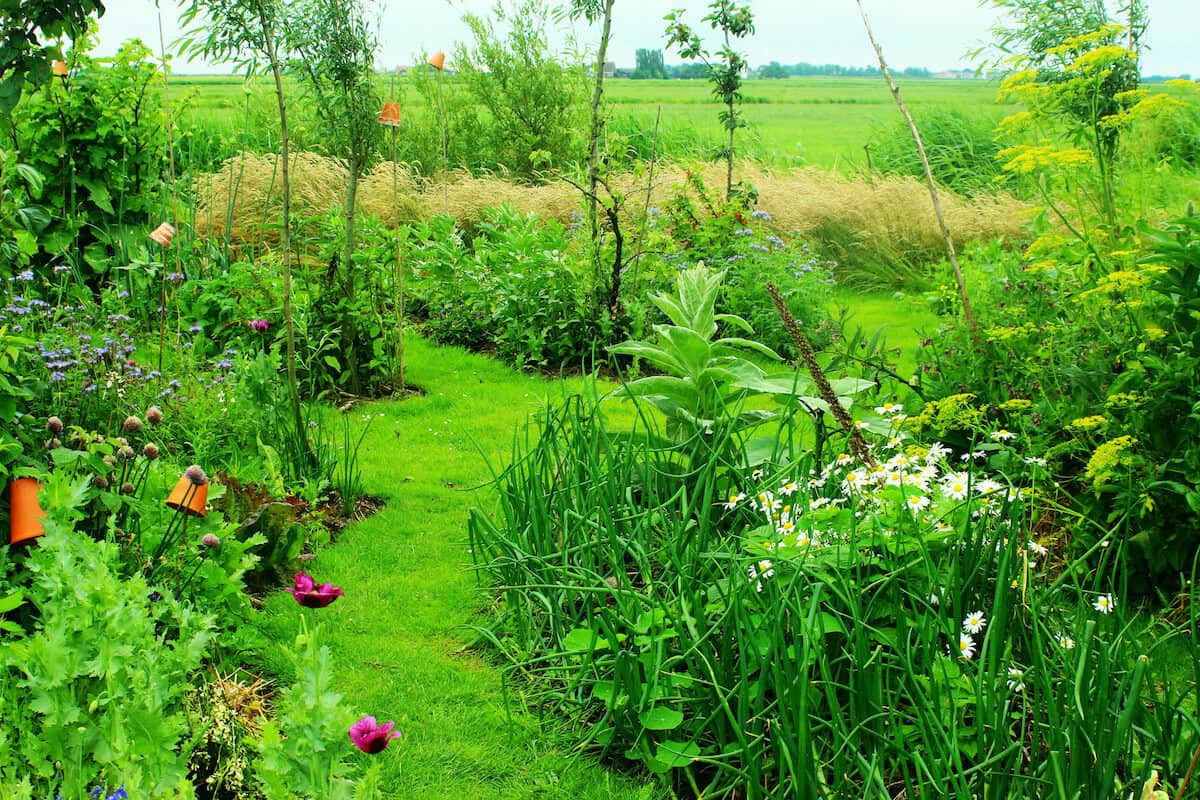
Permaculture: A Sustainable Approach to Healthy Eating
In our fast-paced world where convenience often takes precedence over sustainability, permaculture offers a refreshing approach to healthy eating. Derived from the words “permanent” and “agriculture,” permaculture encompasses a set of principles and practices that aim to create sustainable food systems while working in harmony with nature. This holistic approach not only promotes environmental stewardship but also yields nutritious, fresh produce for a healthier diet.
At its core, permaculture focuses on designing landscapes that mimic natural ecosystems. By observing and understanding how plants interact within their environment, permaculturists can create self-sustaining gardens that require minimal external inputs such as pesticides or fertilizers. Instead, they rely on organic techniques like companion planting, crop rotation, and composting to maintain soil fertility and control pests naturally.
One of the key tenets of permaculture is maximizing biodiversity. By cultivating diverse plant species in close proximity, gardeners encourage beneficial interactions between plants while reducing the risk of diseases or pest outbreaks. Companion planting is an essential technique used in permaculture design; it involves selecting compatible plant combinations that mutually enhance growth by providing nutrients or repelling pests.
Moreover, water conservation lies at the heart of permacultural practices. Techniques like rainwater harvesting and swales (contour trenches) help capture rainfall runoff and prevent erosion while replenishing groundwater reserves. These methods reduce reliance on irrigation systems powered by fossil fuels while ensuring a reliable water supply for growing fruits and vegetables even during dry spells.
Perennial crops are another integral aspect of permaculture gardens. Unlike annuals that need replanting every year, perennial plants provide long-term benefits by establishing deep root systems capable of sequestering carbon from the atmosphere more effectively. Additionally, they offer habitat for beneficial insects and wildlife crucial for maintaining ecosystem balance.
Beyond just gardening techniques, permaculture extends into other aspects of sustainable living. It promotes the use of renewable energy sources like solar panels or wind turbines to power homes and gardens, reducing reliance on fossil fuels. Permaculturalists also prioritize recycling and composting organic waste, turning it into valuable resources for soil enrichment.
By adopting permaculture practices, individuals can not only enjoy a more sustainable lifestyle but also reap numerous health benefits. The emphasis on growing fresh produce encourages people to consume nutrient-rich foods that are free from harmful pesticides and chemical additives often found in commercially grown crops. Additionally, spending time in nature while tending to a permaculture garden enhances mental well-being and reduces stress levels.
In conclusion, permaculture provides an innovative approach to healthy eating by embracing sustainable principles rooted in nature’s wisdom. By creating self-sustaining food systems that mimic natural ecosystems, we can cultivate nutritious produce while minimizing harm to the environment. Whether you have a large backyard or just a few pots on your balcony, incorporating permaculture techniques into your gardening practices is a step towards a healthier future for both ourselves and the planet we call home.

Leave a Reply