The Paleo diet, also known as the Paleolithic or caveman diet, is based on the idea of eating foods that our ancestors would have consumed during the Paleolithic era. This includes lean meats, fish, fruits, vegetables, nuts, and seeds while avoiding grains, legumes, dairy products, processed foods, and refined sugars. While there is ongoing debate about the scientific accuracy of this approach to nutrition and its alignment with our ancestors’ actual diets, many people have found success in following a Paleo lifestyle.
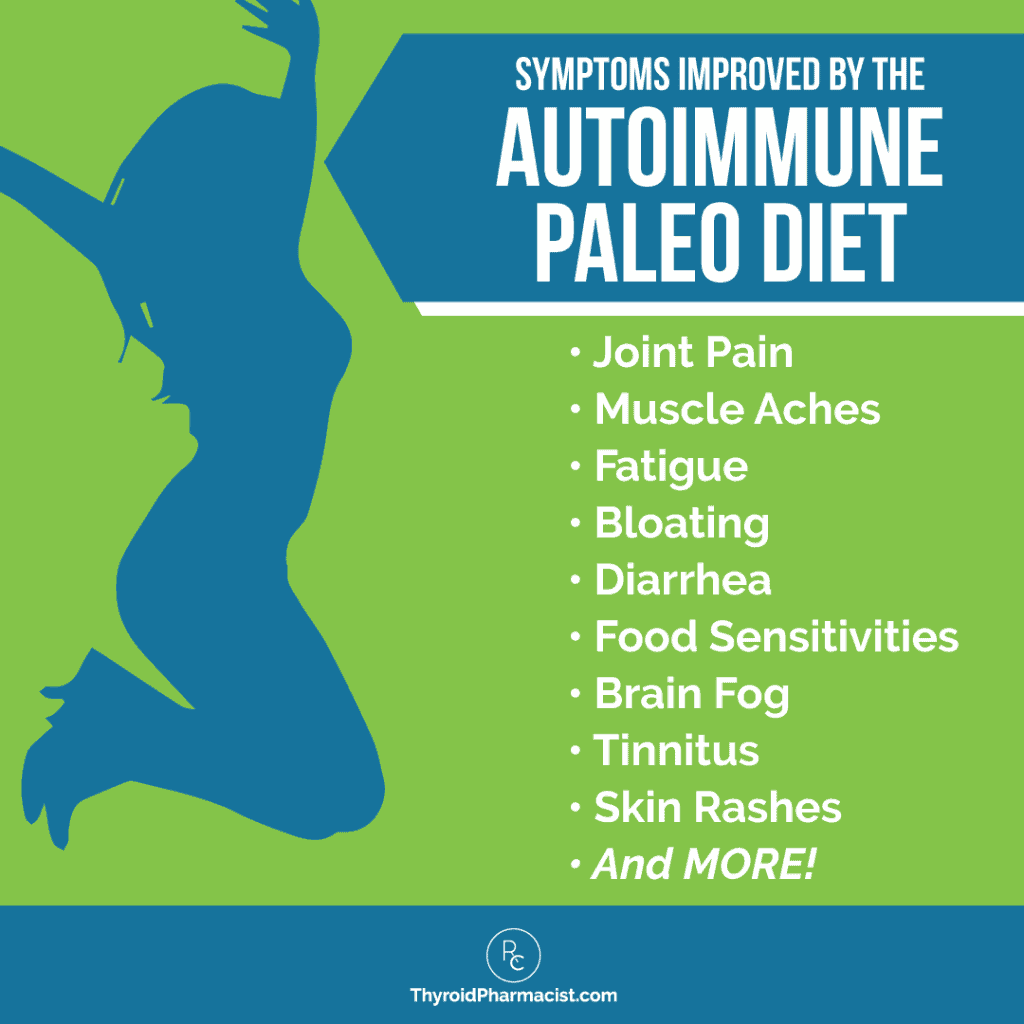
One area where the Paleo diet has shown promise is in managing autoimmune diseases. Autoimmune diseases occur when the immune system mistakenly attacks healthy cells in the body. The Paleo diet focuses on whole foods and eliminates common triggers such as gluten and dairy that are often associated with inflammation. By reducing inflammation in the body through dietary changes like those encouraged by the Paleo diet, individuals may experience improvements in symptoms related to autoimmune conditions such as rheumatoid arthritis or lupus.
👉 Check it out: Shop Organic Supplements on Amazon
Mental health is another aspect that can be positively impacted by adopting a Paleo lifestyle. Research has shown a connection between gut health and mental well-being. The Paleo diet emphasizes nutrient-dense foods like fruits, vegetables, lean meats and fish which support a healthy gut microbiome. Additionally, eliminating processed foods and added sugars reduces blood sugar spikes that can negatively affect mood stability.
👉 Check it out: Shop Vitamin D3 on Amazon
For athletes looking to optimize their performance levels naturally without relying solely on supplements or artificial substances often found in traditional sports nutrition plans – considering adopting a modified version of the paleo lifestyle might prove beneficial for them too! A study published in Nutrition & Metabolism demonstrated that athletes following a low carbohydrate paleo-style plan experienced improved endurance performance compared to those consuming higher carbohydrate diets.
Fermented foods play an important role within a balanced paleo approach because they provide beneficial bacteria needed for optimal gut health – especially considering how much stress we put our bodies under these days from environmental toxins like pesticides sprayed on our food crops, antibiotics in meat and dairy products, as well as stress from daily life. Some popular fermented foods that can be incorporated into a Paleo diet include sauerkraut, kimchi, kefir, and kombucha.
Gut health is a hot topic these days with more research pointing to the importance of maintaining a healthy gut microbiome for overall wellness. The Paleo diet naturally promotes gut health by eliminating processed foods that can disrupt the balance of bacteria in the gut. Additionally, the high fiber content of fruits and vegetables in the Paleo diet supports healthy digestion and regular bowel movements.
Seaweed might not be at the top of everyone’s grocery list but incorporating it into a Paleo diet can provide numerous benefits. Seaweeds are rich in minerals such as iodine which is essential for thyroid function and metabolism. They also contain antioxidants that help protect against cellular damage caused by free radicals.
Organ meats may not be commonly consumed in modern Western diets but they were highly valued by our ancestors due to their nutrient density. Organ meats are particularly rich sources of vitamins A, D, E, K2 and B-vitamins as well as minerals like iron and zinc which are crucial for energy production and optimal immune system function.
For those interested in exploring raw food options within the paleo framework – there are plenty of possibilities! Raw fruits and vegetables make up a large portion of the paleo plate already so transitioning to an entirely raw paleo lifestyle would simply involve avoiding cooking methods like baking or boiling while focusing on raw salads or vegetable-based dishes instead.
Fertility is another area where adopting a Paleo approach may have positive effects. By prioritizing whole foods that support hormonal balance such as lean proteins, healthy fats from nuts/seeds/avocadoes/coconut oil alongside plenty of fresh produce; individuals trying to conceive may see improvements in their fertility levels.
Navigating a vegetarian or vegan version of the Paleo diet can be challenging since the Paleo diet is centered around animal-based proteins. However, it is possible to follow a modified version of the Paleo diet by focusing on plant-based protein sources such as legumes, tofu, tempeh, and quinoa while still avoiding grains and processed foods.
Concerns about cholesterol levels are often raised when discussing high-fat diets like the Paleo diet. However, research has shown that following a Paleo lifestyle can actually improve lipid profiles by increasing HDL (good) cholesterol levels while reducing LDL (bad) cholesterol and triglyceride levels.
Bone broth has become increasingly popular in recent years due to its numerous health benefits including improved gut health, joint support, and immune system function. It can easily be incorporated into a Paleo diet by simmering bones from grass-fed animals or wild-caught fish with vegetables and herbs for an extended period of time to extract all the beneficial nutrients.
While some may argue that following a strict Paleolithic approach can be expensive due to the emphasis on high-quality meats and organic produce – there are ways to maintain a budget-friendly Paleo lifestyle. Buying in bulk or shopping sales for staples like meat or frozen fruits/vegetables can help reduce costs. Additionally, meal planning and preparing meals at home instead of eating out can also save money.
Intermittent fasting is another strategy that can be incorporated within the context of a Paleo diet. Intermittent fasting involves cycling between periods of eating and fasting which allows the body to enter into ketosis – a metabolic state where it burns fat for fuel rather than glucose derived from carbohydrates.
The ketogenic-Paleo hybrid combines elements of both approaches – limiting carbohydrate intake while prioritizing healthy fats found in coconut oil/avocado/nuts/seeds etc., along with moderate amounts of protein from sources such as grass-fed meat/poultry/fish/eggs if desired; this variation may offer additional benefits such as increased satiety levels leading reduced cravings or improved mental clarity.
Incorporating insects as a protein source into a Paleo diet may not be for everyone, but it is an option worth considering. Insects are highly sustainable and nutrient-dense sources of protein, vitamins, and minerals. They can be consumed whole or powdered form in various recipes such as energy bars or smoothies.
The Autoimmune Protocol (AIP) is a stricter version of the Paleo diet that eliminates additional potential triggers for autoimmune diseases like nightshade vegetables (tomatoes/peppers/potatoes/eggplants), nuts/seeds; eggs/dairy products plus grains/legumes which are already excluded from the standard paleo plan. The AIP has been shown to reduce inflammation in individuals with autoimmune conditions and provide relief from symptoms.
Adapting the principles of the Paleo diet for children and families can help establish healthy eating habits early on. By focusing on whole foods, limiting processed snacks and sugary drinks while incorporating plenty of fruits, vegetables, lean proteins – parents can instill good nutritional practices in their children that will benefit them throughout their lives.
Exploring different cooking techniques for preparing meals on a strict Paleolithic plan can add variety and excitement to your meals. Grilling, roasting, sautéing, steaming are all great options to retain flavor while avoiding added oils or fats often found in traditional frying methods.
While there are many benefits to following a strict Paleolithic approach to nutrition and lifestyle; it’s important to acknowledge that this way of eating may not be suitable for everyone due to individual needs/preferences/tolerances etc., so always consult with your healthcare provider before making any significant dietary changes especially if you have pre-existing medical condition(s).
In conclusion, the Paleo diet offers numerous potential benefits across various aspects of health including managing autoimmune diseases, improving mental health, optimizing sports performance through natural means without relying solely on supplements or artificial substances commonly found within traditional sports nutrition plans, supporting gut health through the incorporation of fermented foods, and providing a nutrient-dense approach to fertility. It also offers options for individuals with specific dietary preferences or restrictions such as vegetarians or vegans. However, it’s important to consider potential limitations and individual needs when approaching a strict Paleolithic lifestyle.
🛒 Recommended Products
As an Amazon Associate, we earn from qualifying purchases.
Disclosure: This post contains Amazon affiliate links. As an Amazon Associate, we earn from qualifying purchases at no additional cost to you.

Leave a Reply