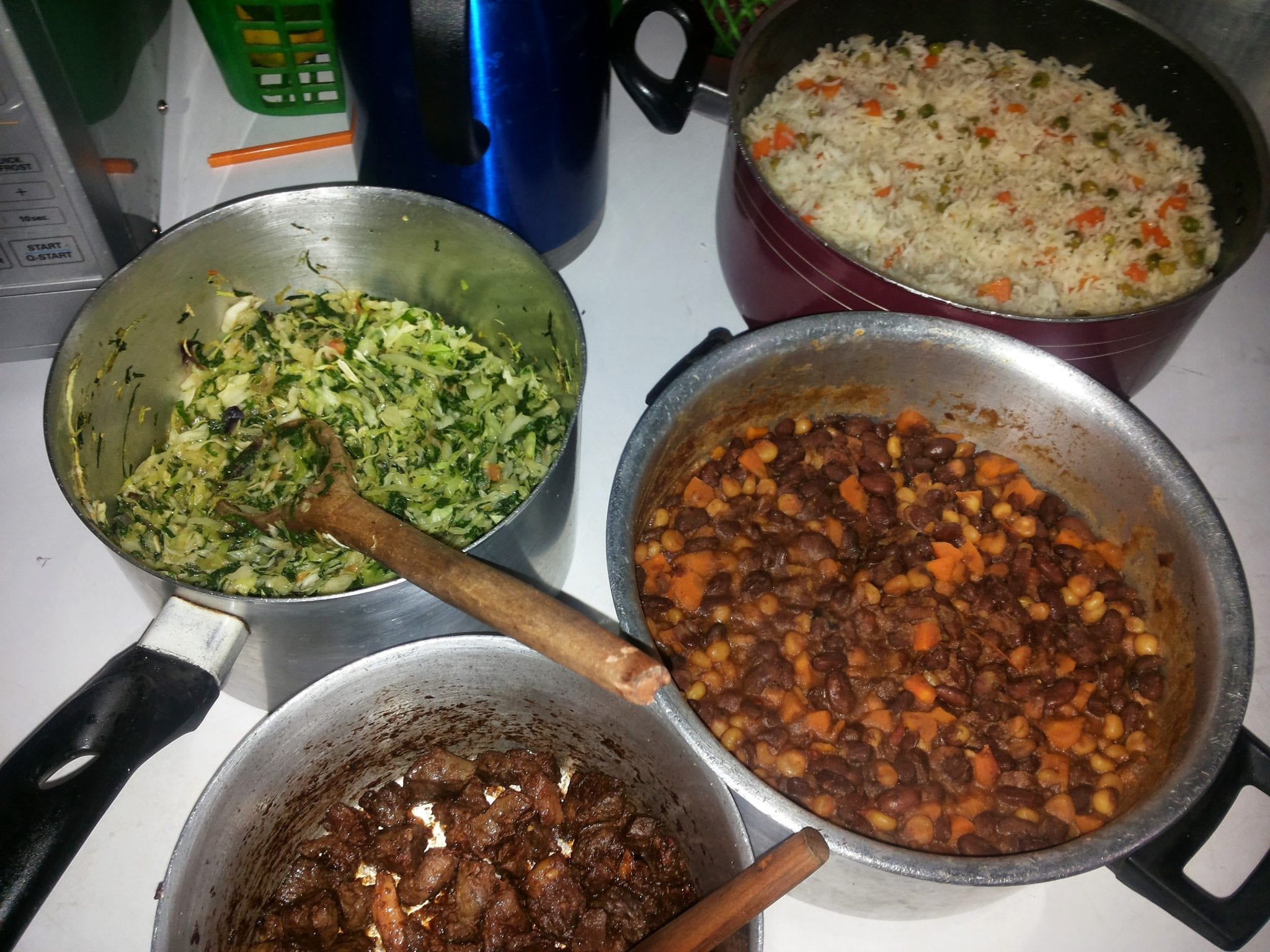
Sub-Saharan Africa is a region known for its rich culture, diverse landscapes, and vibrant communities. Within this vast region lies two countries that stand out in terms of their culinary traditions and commitment to healthy eating: South Africa and Kenya. From traditional dishes to modern innovations, these countries showcase the incredible potential for nutritious meals that are both delicious and sustainable.
South Africa, often referred to as the Rainbow Nation, boasts a wide range of cultural influences that reflect its history of colonization and migration. Traditional South African cuisine centers around staple foods such as maize meal (known as pap), beans, potatoes, and vegetables like pumpkin and spinach. These ingredients form the basis of hearty stews like bobotie – a fragrant blend of spiced minced meat topped with an egg-based custard – or potjiekos – a slow-cooked one-pot wonder packed with meat, vegetables, and aromatic spices.
In recent years, there has been a growing interest in healthier alternatives to classic South African dishes. The country’s abundant coastline offers an array of fresh seafood options that are not only delicious but also low in fat and high in protein. Grilled fish served with leafy greens or roasted sweet potatoes has become a popular choice among health-conscious individuals looking to maintain balanced diets.
Similarly, Kenya embraces its agricultural abundance by incorporating locally grown produce into everyday meals. Ugali is the country’s staple food made from cornmeal cooked into a thick porridge-like consistency. It is often paired with sukuma wiki – collard greens sautéed with onions and tomatoes – which adds essential vitamins and minerals to the dish.
Kenyan cuisine also features nyama choma – grilled meats marinated in flavorful spices such as garlic, ginger, cumin seeds, coriander powder, chili flakes – served alongside kachumbari salad made from diced tomatoes, onions, cilantro leaves dressed with lemon juice or vinegar. This combination offers a protein-rich meal that is both satisfying and nutritious.
Additionally, the Maasai people of Kenya have a diet known for its simplicity and health benefits. Their traditional diet consists mostly of milk, meat, and blood from their cattle, supplemented with herbs and wild fruits. This nutrient-dense diet provides them with energy for their nomadic lifestyle while promoting overall well-being.
Both South Africa and Kenya have also witnessed the rise of organic farming practices in recent years. Local farmers are embracing sustainable methods to grow fruits, vegetables, and grains without the use of harmful pesticides or synthetic fertilizers. This shift towards organic farming not only ensures healthier produce but also supports small-scale farmers who rely on traditional agricultural techniques.
Furthermore, urban areas in these countries have seen an increase in health-conscious restaurants and cafes offering a variety of vegetarian, vegan, gluten-free options made from locally sourced ingredients. These establishments cater to individuals seeking alternatives that align with their dietary preferences or restrictions while supporting local producers.
In conclusion, Sub-Saharan Africa’s culinary landscape is as diverse as its people. South Africa and Kenya exemplify this diversity by blending traditional dishes with modern innovations to create nutritious meals that appeal to both locals and visitors alike. From hearty stews packed with vegetables to grilled meats served alongside vibrant salads – these countries showcase the immense potential for healthy eating within the region. As more emphasis is placed on sustainability and organic farming practices, Sub-Saharan Africa continues to pave the way for a healthier future through its rich culinary traditions.

Leave a Reply