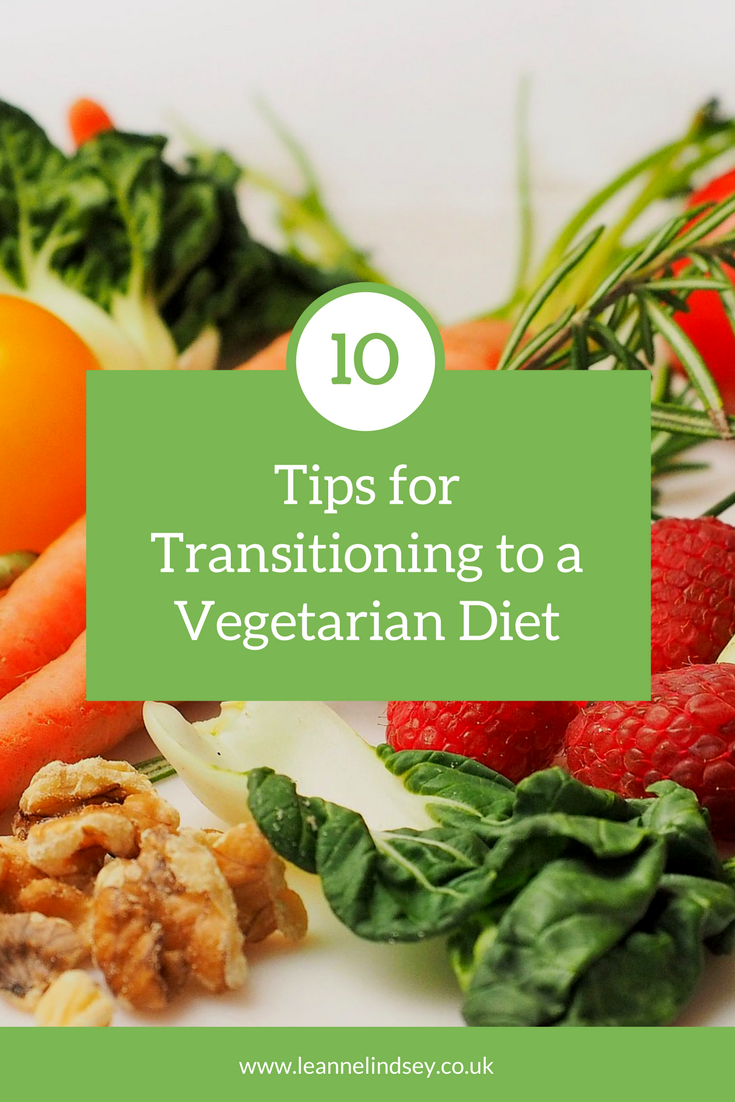
Tips for Transitioning to a Vegetarian Diet
Introduction:
Making the decision to transition to a vegetarian diet is not only beneficial for your health but also for the environment. A vegetarian diet focuses on consuming plant-based foods, such as fruits, vegetables, whole grains, legumes, nuts, and seeds while excluding meat and fish products. This dietary shift can seem daunting at first, especially if you have been accustomed to eating animal products throughout your life. However, with some knowledge and planning, transitioning to a vegetarian diet can be an enjoyable and fulfilling experience. In this article, we will explore several tips that will help you make a smooth transition towards adopting a vegetarian lifestyle.
1. Educate Yourself:
Before embarking on any major dietary change, it is essential to educate yourself about vegetarianism. Understand the reasons behind your decision – whether it’s ethical concerns regarding animal welfare or environmental sustainability. Research the nutritional aspects of a well-balanced vegetarian diet and learn about different sources of protein like legumes (beans and lentils), tofu, tempeh, seitan, quinoa, chia seeds etc., which will be crucial in maintaining good health during this transition.
2. Start Gradually:
Transitioning overnight from a meat-based diet to a strict vegetarian one can be overwhelming for both your body and mind. Instead of diving headfirst into complete avoidance of all animal products immediately after making the decision, consider taking gradual steps towards it. Begin by designating certain days each week as “vegetarian days” where you exclude meat from your meals completely; gradually increase these days until you feel comfortable adopting full-time vegetarianism.
3. Experiment with New Foods:
Adopting a vegetarian lifestyle opens up an entirely new world of culinary possibilities filled with diverse flavors and textures waiting to be explored! Take advantage of this opportunity by experimenting with different plant-based ingredients in your cooking – try new fruits and vegetables that you may not have tried before. Explore cuisines from various cultures that are traditionally vegetarian-friendly, such as Indian, Mediterranean, or Mexican. This adventurous approach will help you discover a wide range of delicious and satisfying vegetarian meals.
4. Stock Up on Staples:
To ensure a successful transition to a vegetarian diet, it is essential to have a well-stocked pantry and refrigerator. Fill your kitchen with staples like whole grains (rice, quinoa, oats), legumes (beans, lentils), nuts and seeds (almonds, walnuts, chia seeds), plant-based milks (soy milk, almond milk), and condiments like nutritional yeast and tamari sauce. Having these essentials readily available will make it easier for you to whip up quick and nutritious vegetarian meals.
5. Plan Balanced Meals:
A common concern when transitioning to a vegetarian diet is the fear of not getting enough nutrients or protein. However, by planning balanced meals that include adequate sources of protein along with other essential nutrients like iron and vitamin B12, this worry can be alleviated. Incorporate a variety of plant-based proteins into your meals such as tofu stir-fries or lentil soups; pair them with whole grains like brown rice or quinoa; add plenty of colorful vegetables for vitamins and minerals; don’t forget healthy fats from avocados or nuts; and consider fortified foods or supplements for vitamin B12 if necessary.
6. Get Creative with Protein Sources:
While meat has traditionally been considered the primary source of protein in most diets, there are numerous alternative options available once you adopt a vegetarian lifestyle. Experimenting with different plant-based protein sources can add excitement to your meals while ensuring adequate nutrition. Include foods like tempeh – fermented soybean cake packed with protein – in stir-fries or sandwiches; try seitan – derived from wheat gluten – as a meat substitute in dishes like stews or curries; explore recipes using chickpeas or black beans; and incorporate tofu into your diet, marinating it for added flavor.
7. Optimize Your Nutrient Intake:
When transitioning to a vegetarian diet, you need to pay extra attention to certain nutrients that may be more easily obtained from animal sources. Iron is one such nutrient, as plant-based iron (non-heme iron) is not as readily absorbed by the body as heme iron found in meat. Pairing foods rich in vitamin C – like citrus fruits or bell peppers – with plant-based sources of iron can enhance absorption. Additionally, consider incorporating fortified foods or supplements if needed.
8. Seek Out Vegetarian-Friendly Restaurants:
Eating out can sometimes pose a challenge when you are trying to stick to a vegetarian diet. However, many restaurants now offer vegetarian options on their menus due to the growing popularity of plant-based diets. Research and seek out local eateries that cater specifically to vegetarians or have extensive vegetarian options available. You can also explore cuisines from countries with strong vegetarian traditions since they often have numerous delicious meat-free dishes.
9. Connect with Other Vegetarians:
Transitioning to a new lifestyle becomes easier when you surround yourself with like-minded individuals who share similar values and goals. Look for local vegetarian groups or online communities where you can connect with others who have already embraced this way of life. Sharing experiences, recipes, and tips will not only provide support but also give you an opportunity to expand your knowledge about living as a successful vegetarian.
10. Embrace Variety and Flexibility:
Remember that there is no one-size-fits-all approach when it comes to adopting a vegetarian lifestyle; everyone’s journey is unique! Embrace flexibility within the boundaries of your personal choices and preferences; some people may choose veganism while others might include dairy products or eggs in their diet as lacto-vegetarians or ovo-vegetarians respectively. The key is finding what works best for you and your body while still aligning with your ethical and environmental principles.
Conclusion:
Transitioning to a vegetarian diet is a rewarding journey that benefits both personal health and the planet. By educating yourself, taking gradual steps, experimenting with new foods, planning balanced meals, and seeking support from others on a similar path, you can successfully adopt this compassionate lifestyle. Embrace the variety of plant-based foods available to you and enjoy the culinary adventure that awaits as you embark on this vegetarian journey.

Leave a Reply