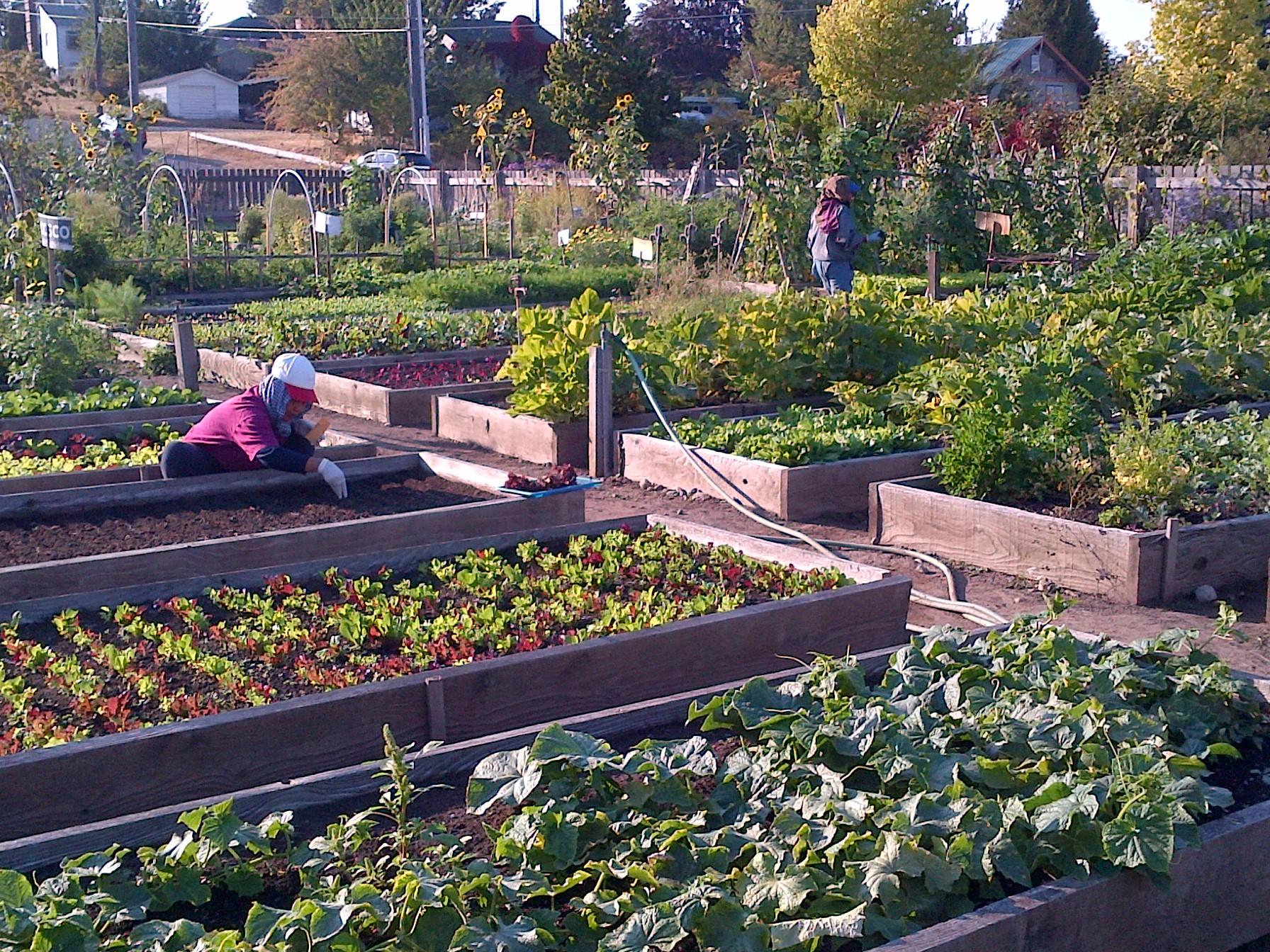
Community gardens are becoming increasingly popular as people recognize the numerous benefits they offer. These shared green spaces not only provide fresh and healthy produce but also foster a sense of community, improve mental well-being, and promote sustainable living practices. In this article, we will delve into the top 8 reasons why community gardens are a fantastic addition to any neighborhood.
1. Access to Fresh and Nutritious Food
One of the primary advantages of community gardens is easy access to fresh fruits, vegetables, herbs, and other nutritious foods. In many urban areas where traditional agriculture is limited, these communal spaces allow residents to grow their own food or share in the harvest collectively. This ensures that everyone has access to affordable and pesticide-free produce, promoting healthier eating habits among community members.
2. Education on Sustainable Gardening Practices
Community gardens serve as excellent educational platforms for teaching sustainable gardening practices. Novice gardeners can learn from experienced growers within their neighborhoods about organic gardening methods such as composting, companion planting, crop rotation, and water conservation techniques. This knowledge empowers individuals to take control of their food production while minimizing their ecological footprint.
3. Social Interaction and Community Building
The establishment of a community garden encourages social interaction among neighbors who may not have otherwise crossed paths. The shared responsibility of tending to the garden fosters a sense of camaraderie and teamwork among participants from diverse backgrounds or age groups. It provides an opportunity for individuals with different skills sets to collaborate towards a common goal – creating stronger bonds within the community.
4. Improved Mental Well-being
Engaging in gardening activities has been shown to have positive effects on mental health by reducing stress levels and improving overall well-being. Spending time outdoors surrounded by nature has a calming effect on our minds while connecting us with something larger than ourselves – watching plants grow and flourish creates feelings of accomplishment and fulfillment.
5.Health Benefits Associated with Physical Activity
Maintaining a flourishing garden requires physical exertion, making community gardening an excellent way to incorporate exercise into daily routines. Gardening activities like digging, weeding, planting, and harvesting provide a full-body workout without the need for expensive gym memberships. Regular physical activity helps reduce the risk of chronic diseases such as obesity, heart disease, and diabetes while improving overall fitness levels.
6.Environmental Sustainability
Community gardens contribute to environmental sustainability by promoting green spaces in urban areas. They help combat air pollution by absorbing carbon dioxide and releasing oxygen through photosynthesis. Furthermore, these gardens encourage biodiversity by attracting pollinators like bees and butterflies that play a crucial role in maintaining healthy ecosystems.
7.Food Security
With rising concerns about food security globally, community gardens play a significant role in ensuring local access to fresh produce. By growing their own food collectively or individually within shared spaces, communities become less reliant on expensive supermarket prices or long-distance transportation of fruits and vegetables. This increased self-sufficiency can make communities more resilient during times of economic uncertainty or natural disasters.
8.Beautification of Neighborhoods
Community gardens transform vacant lots or underutilized spaces into vibrant green oases that enhance the aesthetics of neighborhoods. These aesthetically pleasing environments have been shown to reduce crime rates and improve property values in surrounding areas. Additionally, they attract wildlife such as birds and butterflies that further add to the charm of the neighborhood.
In conclusion, community gardens offer numerous benefits ranging from improved access to fresh food and education on sustainable practices to enhanced social interaction and mental well-being. By bringing people together around a common goal – cultivating healthy produce – these shared green spaces create stronger communities while promoting sustainable living practices. So why not join your local community garden today? You’ll not only reap the rewards but also contribute towards building healthier and happier neighborhoods for everyone involved!

Leave a Reply