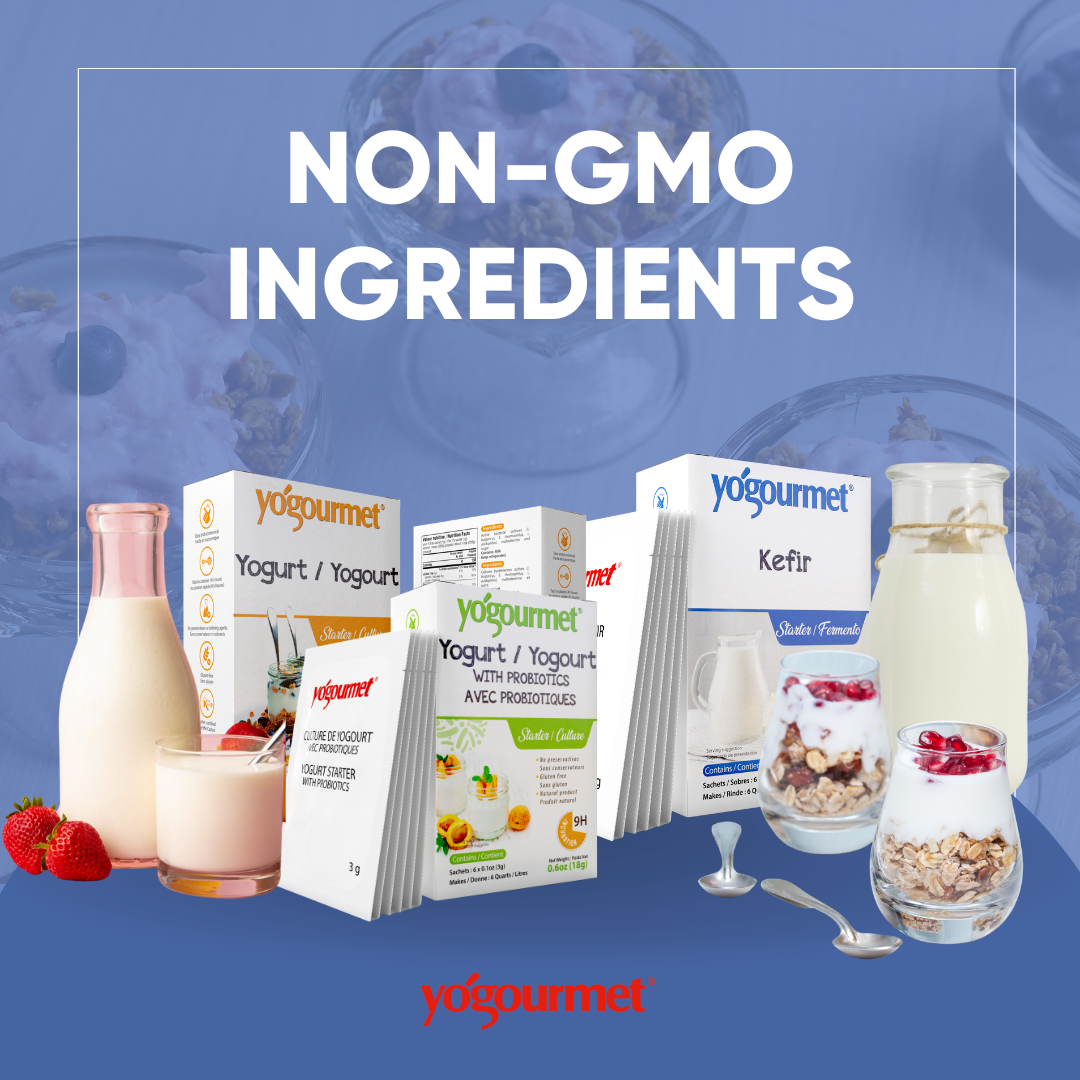
Non-GMO Alternatives to Common Ingredients: A Healthy Eating Guide
In recent years, there has been a growing concern about the impact of genetically modified organisms (GMOs) on human health and the environment. Many individuals are seeking non-GMO alternatives to common ingredients in order to make healthier choices for themselves and their families. Fortunately, there is a wide range of non-GMO options available that can easily replace commonly used ingredients without sacrificing taste or nutritional value. In this article, we will explore some popular non-GMO alternatives and how they can be incorporated into your everyday meals.
1. Non-GMO Cooking Oils:
One of the most commonly used ingredients in cooking is oil. To avoid GMOs, it’s important to choose oils that are labeled as organic or explicitly state that they are made from non-GMO sources. Some great alternatives include olive oil, coconut oil, avocado oil, and sesame oil. These oils not only provide flavor but also offer numerous health benefits due to their high content of monounsaturated fats and antioxidants.
2. Non-GMO Sweeteners:
Sugar is another ingredient found in countless recipes, but many conventional sugars come from genetically modified sugar beets or cane crops. Instead of using refined white sugar, consider opting for natural sweeteners like honey or maple syrup which are typically non-GMO options when sourced organically or locally.
3. Non-GMO Grains:
Grains such as wheat, corn, and soy are often genetically modified varieties unless otherwise specified on the label. Thankfully there are several non-GMO grain options available including rice (including brown rice), quinoa, oats, amaranth, buckwheat flour as well as ancient grains like spelt and einkorn wheat which have gained popularity recently due to being less processed than modern wheat varieties.
4. Non-GMO Dairy Products:
Milk and dairy products can also contain GMOs if the cows were fed genetically modified feed. To avoid this, look for organic or grass-fed dairy products that are certified non-GMO. Additionally, plant-based alternatives such as almond milk, coconut milk, and soy milk can be used as substitutes in cooking or enjoyed on their own.
5. Non-GMO Meat and Poultry:
When it comes to meat and poultry, choosing non-GMO options means selecting animals that have been raised on a diet free from GM feed. Look for labels like “100% grass-fed” or “certified organic” to ensure you’re making a GMO-free choice.
6. Non-GMO Condiments:
Condiments like ketchup, mayonnaise, and salad dressings often contain hidden GMO ingredients such as corn syrup or soybean oil. Opting for organic versions of these condiments is an easy way to avoid GMOs while still enjoying the flavors you love.
7. Non-GMO Snacks:
Snacking is a common part of our daily routine, but many popular snacks contain genetically modified ingredients such as corn or soy derivatives. Choosing non-GMO snacks made with alternative grains like popcorn (organic), rice cakes (non-GMO verified), vegetable chips (organic), or homemade trail mixes using nuts and dried fruits will provide healthier options without compromising taste.
8. Non-GMO Baking Ingredients:
Baking enthusiasts need not worry about giving up their favorite pastime since there are plenty of non-GMO baking ingredient alternatives available in the market today. Look for flour labeled as organic or specifically stating it’s made from non-genetically modified sources like wheat flour alternatives such as spelt flour, rye flour, or gluten-free flours made from rice, almond meal/flour among others.
While switching to non-GMO alternatives may require some adjustments initially, there is an abundance of resources available online with recipes tailored to suit different dietary needs and preferences. By making conscious choices when purchasing ingredients and opting for non-GMO alternatives, you can support a healthier lifestyle for yourself and contribute to the movement towards sustainable food systems.
In conclusion, choosing non-GMO alternatives to common ingredients is becoming increasingly important for those looking to prioritize their health and make more environmentally friendly choices. By incorporating non-GMO cooking oils, sweeteners, grains, dairy products, meat and poultry options as well as condiments, snacks, and baking ingredients into your diet, you can take control of your eating habits without compromising on taste or nutrition. Remember to always read labels carefully and opt for organic or certified non-GMO products whenever possible.

Leave a Reply