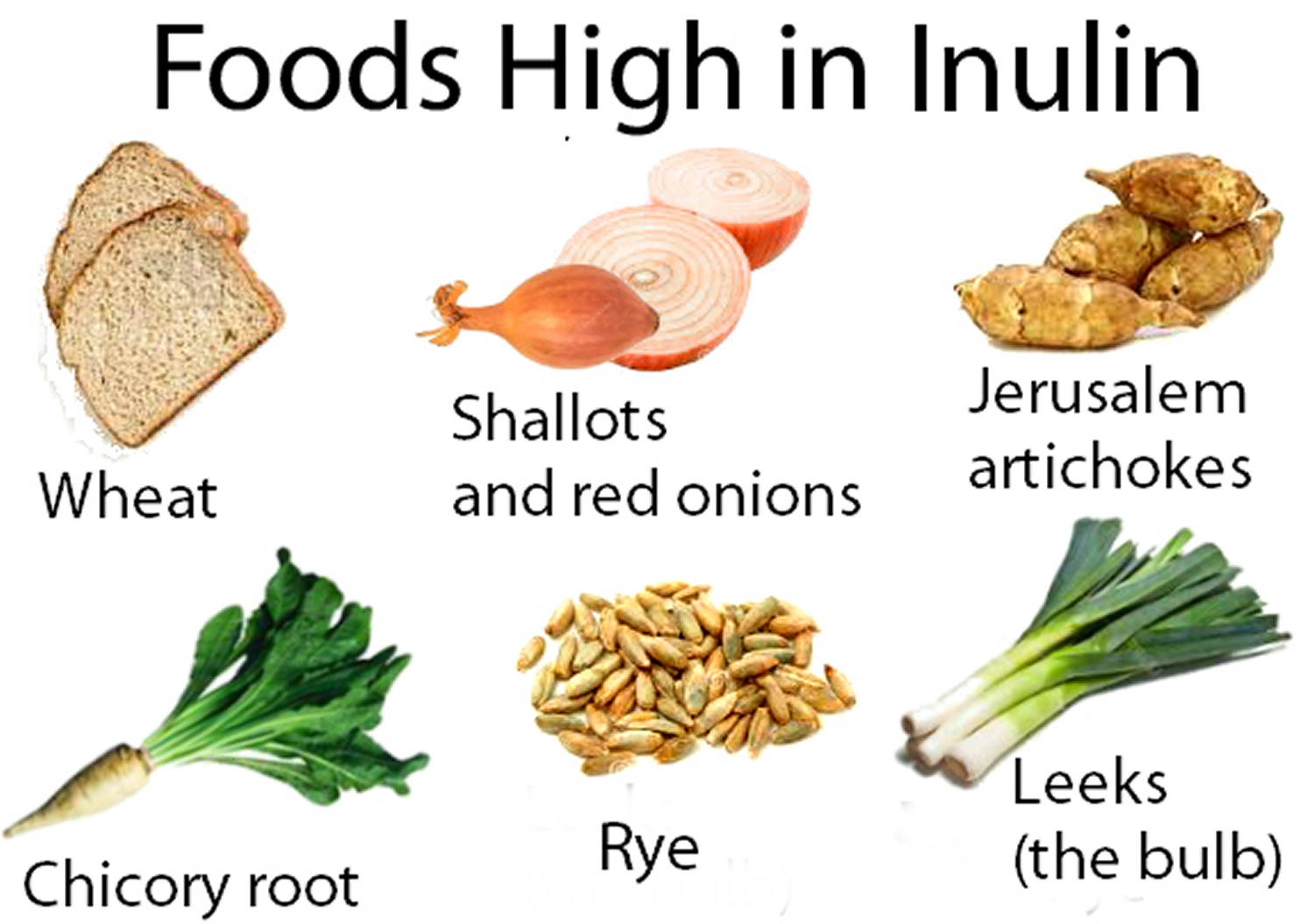
Inulin is a dietary fiber that has gained popularity in recent years due to its numerous health benefits. Derived from plants like chicory root, inulin acts as a prebiotic, which means it provides nourishment to the beneficial bacteria in our gut. This unique fiber offers a range of advantages for our overall well-being. Here are the top 10 reasons why you should consider adding inulin to your diet:
1. Digestive Health: Inulin promotes healthy digestion by stimulating the growth of good bacteria and inhibiting the growth of harmful ones. It helps improve bowel regularity and can alleviate symptoms associated with digestive disorders such as constipation and irritable bowel syndrome.
2. Weight Management: Incorporating inulin into your diet can aid weight loss efforts. This soluble fiber promotes feelings of fullness, preventing overeating and reducing calorie intake.
3. Blood Sugar Control: Inulin has a low glycemic index, meaning it doesn’t cause significant spikes in blood sugar levels after consumption. By regulating blood glucose levels, it can be beneficial for individuals with diabetes or those at risk of developing the condition.
4. Heart Health: Studies have shown that consuming inulin may help lower LDL cholesterol (the “bad” cholesterol) levels while increasing HDL cholesterol (the “good” cholesterol). These effects contribute to maintaining cardiovascular health and reducing the risk of heart disease.
5. Bone Health: Inulin enhances calcium absorption, leading to improved bone mineralization and density. Including this fiber in your diet may reduce the risk of osteoporosis and fractures.
6. Immune System Support: A healthy gut plays an essential role in supporting immune function, and since inulin is a prebiotic that nourishes gut bacteria, it indirectly strengthens immunity too.
7. Colon Cancer Prevention: The fermentation process induced by ingesting inulin produces short-chain fatty acids like butyrate, which have been linked to reduced colon cancer risk. Inulin’s ability to promote a healthy gut environment helps protect against this type of cancer.
8. Improved Nutrient Absorption: The presence of inulin in the digestive system enhances the absorption of essential nutrients, such as calcium, magnesium, and iron.
9. Reduced Inflammation: Chronic inflammation is associated with various health issues. By promoting a balanced gut microbiome, inulin may help reduce systemic inflammation throughout the body.
10. Enhanced Mood and Mental Health: Emerging research suggests that there is a strong connection between gut health and mental well-being. Consuming inulin-rich foods can positively impact mood by supporting a healthy gut-brain axis.
Incorporating inulin into your diet is relatively easy. You can find it naturally occurring in foods like chicory root, Jerusalem artichokes, onions, leeks, and bananas. Additionally, many food manufacturers are now incorporating inulin into products as an added dietary fiber for its numerous benefits.
However, it’s essential to introduce inulin gradually into your diet since some individuals may experience mild gastrointestinal discomfort initially due to increased fermentation activity within the gut.
Overall, adding inulin to your daily routine can provide several advantages for your overall health and well-being. Consult with a healthcare professional or registered dietitian before making any significant dietary changes or supplements additions to ensure it aligns with your specific needs and goals

Leave a Reply