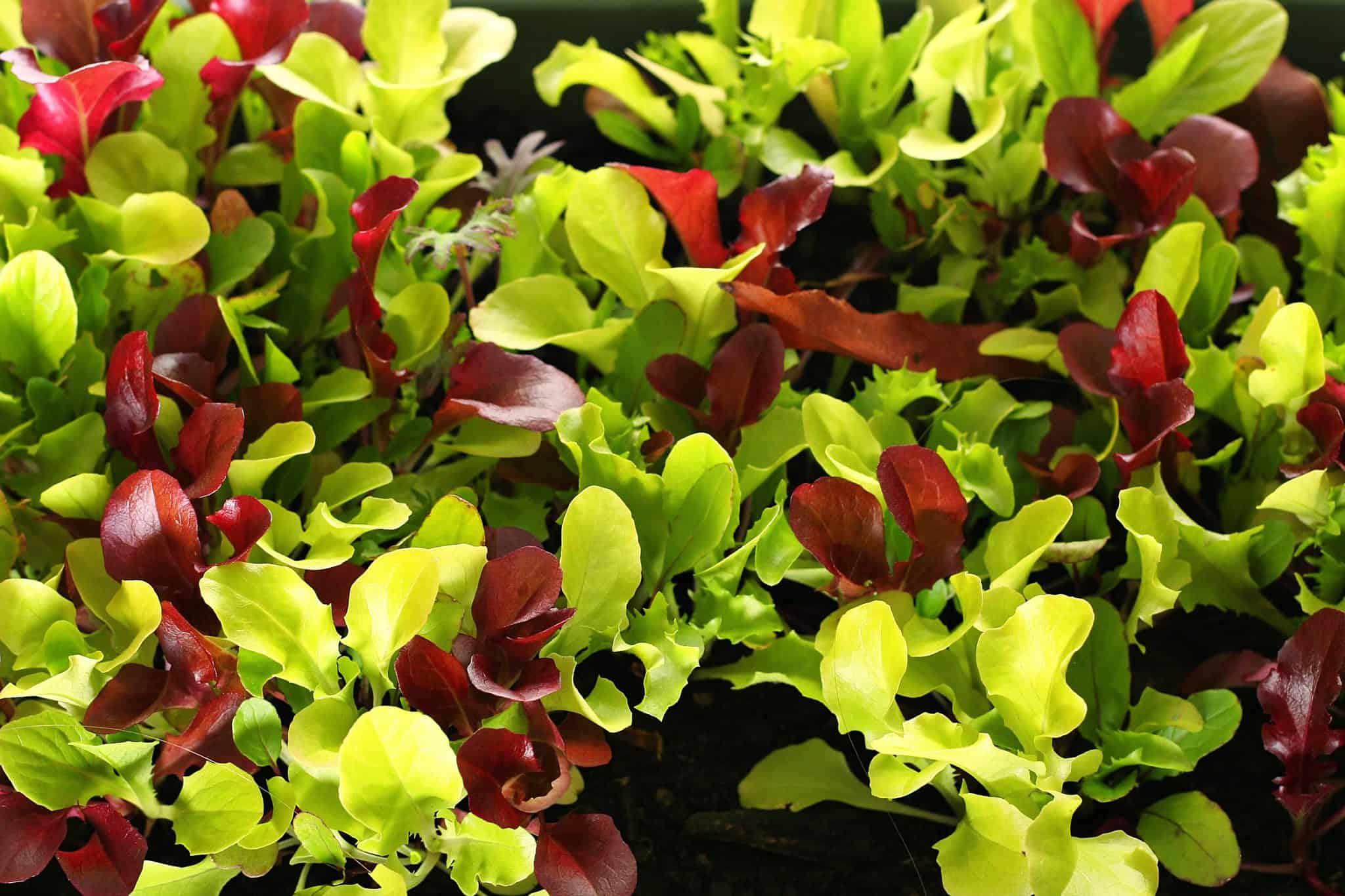
Microgreens have gained popularity in recent years for their intense flavors, vibrant colors, and impressive nutritional profiles. These tiny greens are packed with essential vitamins and minerals, making them a great addition to any diet. In this article, we will explore the lesser-known microgreen varieties that you can incorporate into your meals to boost immunity, promote healthy digestion, aid weight management, and more.
1. Lesser-known microgreen varieties:
While popular microgreens like broccoli and sunflower are well-known for their health benefits, there are several other varieties worth exploring. Radish microgreens add a peppery kick to dishes while providing high levels of vitamin C and potassium. Amaranth microgreens have a mild earthy flavor and contain iron, calcium, and magnesium. Buckwheat microgreens have a nutty taste and are rich in antioxidants.
2. Microgreens for boosting immunity:
Boosting our immune system is crucial for overall health. Incorporating immune-boosting microgreens like kale or spinach can provide an abundant source of vitamins A and C as well as antioxidants that help protect against free radicals.
3. Microgreens as a source of essential vitamins and minerals:
Microgreens are nutrient powerhouses that contain higher concentrations of vitamins compared to their fully grown counterparts. For example, red cabbage microgreens contain six times the vitamin C found in mature cabbage leaves! Other examples include radish microgreens high in calcium content or beets filled with folate.
4. The role of microgreens in weight management:
If you’re looking to shed some pounds or maintain a healthy weight, consider adding nutritious microgreens to your diet plan. They offer exceptional nutritional value while being low in calories. Incorporate nutrient-dense options such as pea shoots or green lentil sprouts into salads or stir-fries for added satiety without compromising on taste.
5. Microgreens for detoxification and cleansing:
Detoxifying our bodies is important from time to time to eliminate toxins and promote overall well-being. Microgreens like cilantro or parsley are known for their detoxifying properties, helping to cleanse the body by supporting liver function and aiding digestion.
6. Microgreens for promoting healthy digestion:
Microgreens can play a significant role in maintaining a healthy digestive system. Varieties such as broccoli or kale contain high levels of fiber that aid in digestion and prevent constipation. Additionally, they are rich in enzymes that assist the breakdown of food, making it easier for our bodies to absorb nutrients.
7. Microgreen recipes for picky eaters:
If you have picky eaters at home who struggle with consuming enough fruits and vegetables, microgreens can be a game-changer. Sneak them into smoothies, omelets, sandwiches, or even pasta dishes! Their mild flavors make them easy to incorporate without overpowering the dish.
8. The benefits of growing your own microgreens at home:
Growing microgreens at home is not only cost-effective but also allows you to harvest fresh greens whenever needed. It’s a simple process that requires minimal space and time investment while providing an ongoing supply of nutritious greens right at your fingertips.
9. How to incorporate microgreens into everyday meals:
Incorporating microgreens into your daily meals doesn’t have to be complicated. Top off soups or salads with some vibrant microgreens for added color and texture. Sprinkle over avocado toast or use as a garnish on scrambled eggs or grilled meats for an extra nutritional boost.
10. Lesser-known culinary uses of microgreens:
Microgreens aren’t limited to being used solely as garnishes; they can also be incorporated into various dishes as key ingredients! Blend basil microgreens into pesto sauce, mix mustard greens with salad dressings, or sauté radish sprouts with garlic and olive oil as a side dish.
11. Microgreen smoothie recipes for a nutritious start to the day:
Start your day off right with a nutrient-packed microgreen smoothie. Combine spinach microgreens, pineapple, banana, and coconut water for a refreshing green smoothie that’s bursting with vitamins and minerals.
12. Exploring the unique flavors of different microgreen varieties:
Each microgreen variety has its own distinct flavor profile. Experimenting with different varieties like arugula, mustard greens, or sorrel can add exciting new tastes to your meals.
13. The environmental impact of growing microgreens indoors:
Compared to traditional farming methods, indoor microgreen cultivation requires significantly less water and space. Additionally, growing them at home eliminates the need for transportation and packaging waste commonly associated with store-bought produce.
14. Microgreen farming techniques and best practices:
Successful microgreen cultivation involves selecting high-quality seeds, providing adequate lighting and ventilation, using suitable growing mediums like soil or hydroponics systems, and ensuring proper watering and harvesting techniques.
15. The history and origins of microgreens:
Microgreens have been used in Asian cuisine for centuries but gained popularity worldwide in the 1980s when renowned chefs started incorporating them into their dishes as decorative elements and added bursts of flavor.
16. Microgreen nutrition facts: debunking common misconceptions:
There are various misconceptions surrounding the nutritional value of microgreens compared to mature plants. While they may be small in size, studies have shown that they contain higher concentrations of certain nutrients relative to their larger counterparts.
17. The impact of different growing mediums on microgreen quality:
The choice of growing medium can affect the taste and texture of your harvested microgreens. Experimenting with options like soil mixes or coconut coir allows you to find the perfect combination for optimal growth.
18. Tips for storing and preserving microgreens:
To prolong their freshness after harvesting or purchasing from stores or farmers’ markets, it is essential to store these delicate greens properly by washing gently, drying thoroughly, and storing in airtight containers with a paper towel to absorb excess moisture.
19. Creative ways to garnish dishes with microgreens:
Microgreens can add an artistic touch to any dish. Use them as colorful toppings on pizzas, sushi rolls, or even desserts like cakes and ice cream for an eye-catching presentation.
20. The potential health benefits of specific microgreen varieties:
Each microgreen variety possesses unique health benefits due to its specific nutrient composition. Highlighting the distinct advantages of popular varieties like sunflower sprouts or wheatgrass educates readers about their potential positive impact on overall well-being.
In conclusion, incorporating lesser-known microgreen varieties into your diet can provide numerous health benefits, including boosting immunity, aiding digestion, and supporting weight management. Whether used as garnishes or key ingredients in various dishes, these tiny greens offer endless culinary possibilities while enhancing the nutritional value of your meals. Growing your own microgreens at home not only ensures a constant supply but also reduces environmental impact. So go ahead and explore the world of microgreens – your taste buds and body will thank you!

Leave a Reply