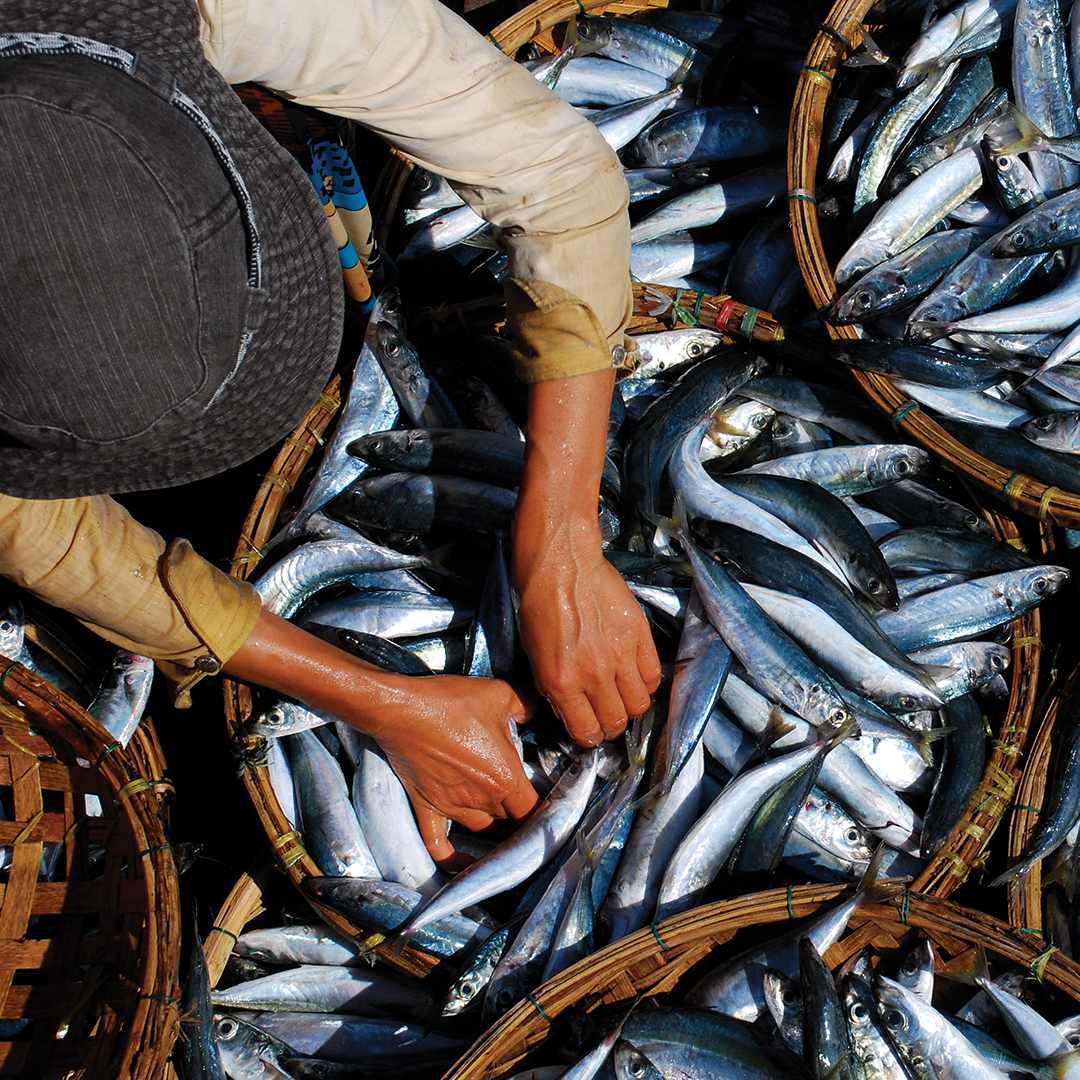
Sustainable fishing practices have become increasingly important as we strive to protect our oceans and ensure the long-term availability of seafood. Overfishing has been a significant issue, leading to declines in fish populations and damage to marine ecosystems. By adopting sustainable fishing practices, we can help maintain healthy fish stocks while minimizing negative impacts on the environment.
One key aspect of sustainable fishing is ensuring that only mature fish are caught and that there is adequate time for stocks to replenish. This can be achieved through measures such as minimum size limits, closed seasons or areas where fishing is not allowed, and implementing catch quotas. These practices help prevent overexploitation of fish populations and allow them to reproduce before being harvested.
Another important consideration in sustainable fishing is reducing bycatch – the unintentional capture of non-target species. Bycatch often includes vulnerable species like sea turtles, dolphins, or sharks. To minimize this issue, fishermen can use more selective gear such as circle hooks or escape panels in nets that allow non-target species to escape unharmed.
Additionally, sustainable fisheries prioritize responsible waste disposal at sea. Fishermen should properly dispose of any unwanted catch rather than throwing it back into the water where it may attract predators or introduce diseases into the ecosystem.
Mercury levels in seafood have raised concerns among consumers due to potential health risks associated with high mercury consumption. Mercury is a toxic metal found naturally in the environment but also released through industrial activities. It accumulates in aquatic organisms like fish over time.
However, it’s important to note that not all seafood contains high levels of mercury. Small fatty fish like sardines, anchovies, or mackerel generally have lower mercury content compared to larger predatory species such as swordfish or shark.
To minimize exposure to mercury while still enjoying the nutritional benefits of seafood, it’s recommended to vary your choices by including a mix of low-mercury options along with occasional indulgences in higher-mercury fish. Pregnant women, nursing mothers, and young children should pay particular attention to mercury consumption and consult with healthcare professionals for personalized advice.
While concerns over mercury may limit the consumption of certain types of seafood, there is an emerging interest in the nutritional benefits of seaweed. Seaweed is a type of marine algae that offers a wide range of nutrients including vitamins (such as vitamin C and folate), minerals (including iodine, iron, calcium), and antioxidants.
Seaweed is also known for its high content of dietary fiber and specific compounds like fucoidans which have shown potential health benefits such as anti-inflammatory properties. Moreover, it can be a good source of omega-3 fatty acids, making it an attractive option for individuals following a pescatarian or plant-based diet who are looking to increase their intake of these essential fats.
When incorporating seaweed into your diet, it’s important to consider sustainable sourcing practices. Some companies harvest seaweed in ways that minimize disruption to marine ecosystems and promote regrowth. Look for products certified by organizations like the Marine Stewardship Council or those that adhere to sustainable farming practices.
As we explore different types of seafood options beyond traditional choices like salmon or tuna, lesser-known fish species offer exciting alternatives. These underutilized species often have unique flavors and textures while providing comparable nutritional value.
For example, Arctic char is a cold-water fish that closely resembles salmon but has a milder taste. It contains beneficial omega-3 fatty acids and provides similar health benefits associated with consuming oily fish regularly.
Sardines are another excellent choice due to their sustainability and nutritional value. They are rich in omega-3s along with calcium, vitamin D, selenium, and protein – all essential nutrients for maintaining overall health.
Fermented fish products might not be familiar to everyone but play significant roles in various cuisines worldwide. Fermentation enhances the flavor profile while promoting preservation and improving digestibility. Examples include fish sauce, a staple in Southeast Asian cooking, or the Icelandic delicacy known as hakarl – fermented shark.
However, it’s important to note that fermentation can result in high sodium content. Those with hypertension or other health concerns related to sodium intake should be cautious when consuming these products.
Incorporating algae into a pescatarian diet provides an additional avenue for diversifying nutrient intake. Algae are rich in vitamins, minerals, and antioxidants while being low in calories and fat. They offer an excellent source of plant-based omega-3 fatty acids like EPA and DHA.
Chlorella and spirulina are two popular types of algae commonly consumed in supplement form but also available as powdered supplements that can be added to smoothies or used as ingredients in recipes.
While seafood offers numerous health benefits, overfishing has become a significant threat to marine ecosystems worldwide. Overexploitation of fish stocks disrupts the delicate balance within these ecosystems, leading to population declines not only among targeted species but also affecting their predators and prey.
Overfishing can also cause damage to habitats such as coral reefs or seafloor communities through destructive fishing practices like bottom trawling or using explosives for fishing purposes. Protecting marine ecosystems requires sustainable management practices that prioritize long-term conservation rather than short-term gains.
Ethical considerations when consuming seafood go beyond sustainability alone. Some individuals choose to avoid certain types of seafood due to concerns about how they were caught (e.g., using methods considered harmful) or ethical standards employed by the fishing industry (e.g., treatment of workers onboard).
Certain certifications help consumers make more informed choices aligned with their values. For example, Fair Trade Certified Seafood ensures fair wages for workers along the supply chain while Marine Stewardship Council certification guarantees sustainable fishing practices have been followed.
Shellfish consumption offers various health benefits due to their nutrient-rich profile. Mollusks like clams, mussels, oysters, and scallops are excellent sources of protein, vitamins (including vitamin B12), minerals (such as iron and zinc), and omega-3 fatty acids. They are also low in fat and calories.
Furthermore, shellfish provide a sustainable seafood option since they are often farmed rather than wild-caught. Shellfish aquaculture can help reduce pressure on fish stocks while providing economic opportunities for coastal communities.
Omega-3 fatty acids play crucial roles in supporting brain health, reducing inflammation, and promoting heart health. While traditional fish-based supplements are commonly used to increase omega-3 intake, there are alternative options available.
Plant-based sources like flaxseeds or chia seeds offer alpha-linolenic acid (ALA), a precursor form of omega-3s that can be converted into EPA and DHA in the body. However, this conversion is limited; therefore, individuals with specific dietary needs may require additional supplementation or consult with healthcare professionals for guidance.
Fish themselves have anti-inflammatory properties due to their high omega-3 content. Omega-3 fatty acids EPA and DHA help reduce inflammation in the body by modulating immune responses and inhibiting inflammatory pathways.
Inflammation is linked to various chronic diseases such as cardiovascular disease or rheumatoid arthritis. Regular consumption of oily fish or appropriate supplementation can contribute to maintaining a healthy inflammatory balance within the body.
Seafood allergies and sensitivities affect some individuals who experience adverse reactions upon consuming certain types of seafood. Allergies can range from mild symptoms like hives or itching to more severe reactions such as anaphylaxis – a life-threatening condition requiring immediate medical attention.
Common allergens include crustaceans (shrimp, lobster) or mollusks (clams, mussels). Those who suspect an allergy should seek professional diagnosis through allergy testing before making any dietary changes or trying new seafood products.
Canned fish options provide convenient and accessible choices for incorporating seafood into your diet. Canned tuna, salmon, sardines, or anchovies are widely available and offer a long shelf life without compromising nutritional value.
When choosing canned fish, opt for products packed in water or olive oil instead of those preserved in heavy sauces that may contain added sugars or excessive sodium. Read labels carefully to ensure they meet your specific dietary needs.
Creative cooking approaches can help minimize waste and maximize the use of every part of the fish. Fish bones and heads often contain valuable nutrients like collagen and calcium while offering unique flavors when used in stocks or broths.
Fish stock made from simmering bones is an excellent base for soups, stews, or risottos. Additionally, grilled fish heads can be enjoyed as a delicacy in some cultures – the cheeks are particularly prized for their tender meat.
Sourcing local and seasonal seafood contributes to sustainability efforts by reducing carbon footprints associated with long-distance transportation. It also supports local economies and promotes fresher products due to shorter supply chains.
By consuming locally sourced seafood, individuals connect with their regional food system while enjoying the benefits of eating fresh produce harvested at its peak flavor and nutrient content.
Sustainable aquaculture practices play a crucial role in meeting the increasing demand for seafood while minimizing environmental impacts associated with traditional commercial fishing methods. Responsible aquaculture focuses on efficient resource management through minimizing pollution discharge, maintaining water quality standards, managing feed inputs effectively, and preventing escapes of farmed species into natural habitats.
Certain certifications such as Aquaculture Stewardship Council (ASC) provide assurance that aquaculture practices meet rigorous environmental standards regarding habitat protection, biodiversity conservation measures, social responsibility towards workers’ welfare along with responsible antibiotic use where necessary.
Mollusks deserve attention when discussing health benefits associated with seafood consumption. Clams, mussels oysters or scallops not only offer impressive nutrient profiles but also play an integral role in filtering water and improving the overall health of coastal ecosystems.
Mollusks are excellent sources of vitamins, minerals (including iron, zinc), omega-3 fatty acids along with being low in fat and calories. Including them in your diet can contribute to supporting brain function, maintaining healthy blood cells, promoting a strong immune system, and supporting heart health.
Bycatch – the unintentional capture of non-target species during commercial fishing operations – poses significant environmental challenges. While sustainable fishing practices aim to minimize bycatch through selective gear usage or improved fishing techniques, it remains an ongoing concern.
Bycatch affects not only fish populations but also marine mammals like dolphins or sea turtles that become entangled in nets or accidentally caught on longlines. It disrupts ecological balance within marine ecosystems and threatens the survival of vulnerable species.
To address this issue further, innovations such as improved gear designs or using acoustic technology to deter unintended catch are being researched and implemented within the fishing industry.
While certifications like Marine Stewardship Council (MSC) provide assurance for sustainable seafood choices, lesser-known certifications exist that align with specific sustainability criteria. These certifications offer additional options for conscientious consumers seeking products meeting their individual priorities.
Examples include Friend of the Sea certification which focuses on responsible fisheries management alongside social accountability aspects. The Monterey Bay Aquarium’s Seafood Watch program provides comprehensive guidance based on scientific research regarding sustainable seafood choices worldwide.
Exploring different types of caviar opens up a world of unique flavors while offering distinct nutritional profiles depending on the source. Caviar refers to salted fish roe traditionally harvested from sturgeon species; however, alternative roes from other fish like salmon or trout are also available today.
Sturgeon caviar is known for its delicate flavor profile and high levels of omega-3 fatty acids along with essential minerals such as selenium or iodine. Salmon roe offers a vibrant burst of flavor coupled with beneficial omega-3 fatty acids.
As consumers, we have the power to make informed choices that support sustainable fishing practices, protect marine ecosystems, and promote our own health. By considering factors such as sourcing methods, certifications, nutritional benefits, and ethical considerations when consuming seafood, we can contribute to a more sustainable future for both our oceans and ourselves.

Leave a Reply