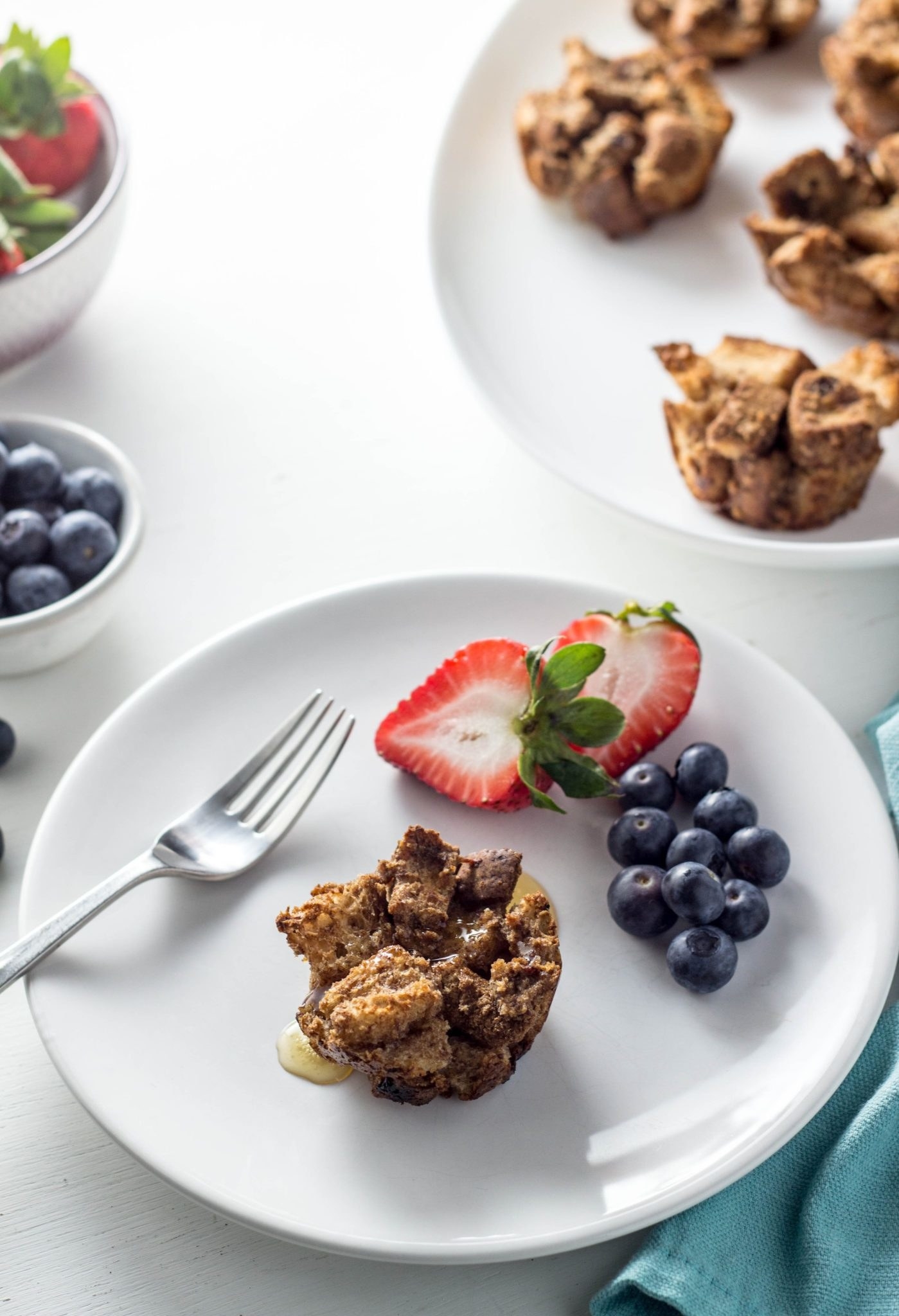
Vegan Baking Tips and Tricks
Baking without the use of animal products may seem challenging at first, but with a few simple tips and tricks, it can be just as delicious and satisfying as traditional baking. Whether you’re a seasoned vegan baker or just starting out on your plant-based journey, these tips will help you create mouthwatering treats that everyone can enjoy.
1. Substitute dairy products: One of the main challenges in vegan baking is finding alternatives for milk, butter, and eggs. Fortunately, there are plenty of options available. Replace cow’s milk with almond milk, soy milk, coconut milk or oat milk – all work well in most recipes. For butter substitutes, try using coconut oil or vegan margarine. When it comes to eggs, mashed bananas or applesauce make excellent binding agents while adding natural sweetness.
2. Enhance flavor with spices: To add depth to your baked goods’ flavors without relying on animal-based ingredients such as cream or cheese, experiment with different spices and extracts. Cinnamon, nutmeg, cardamom, vanilla extract – these are just a few examples that can elevate the taste profile of your creations.
3. Use flaxseed or chia seeds: If you’re looking for an egg substitute that also adds nutritional value to your baked goods (hello Omega-3 fatty acids!), consider using ground flaxseed or chia seeds mixed with water. Mix 1 tablespoon of either seed with 3 tablespoons of water until it forms a gel-like consistency similar to an egg.
4. Incorporate natural sweeteners: Refined sugar is not always considered vegan due to its processing methods involving bone char filtering agents. Instead of refined white sugar, opt for more natural sweeteners like maple syrup or agave nectar which provide unique flavors while keeping your baked goods free from animal products.
5. Experiment with alternative flours: Traditional baking typically relies on all-purpose flour made from wheat. However, there is a wide range of alternative flours available for vegan baking such as almond flour, coconut flour, oat flour, or even chickpea flour. Each brings its own unique texture and taste to your creations.
6. Don’t underestimate aquafaba: Aquafaba is the liquid that comes from canned beans (typically chickpeas) or cooking legumes at home. This viscous liquid can be whipped into peaks just like egg whites and used in recipes that call for meringue or as a binder in cookies and cakes.
7. Allow proper cooling time: Vegan baked goods may require a slightly longer cooling time than their non-vegan counterparts due to their different textures and moisture content. Allowing them to cool completely helps them set properly and ensures the best flavor and texture.
Remember, practice makes perfect when it comes to vegan baking! Don’t be discouraged if your first attempts are not exactly what you expected – enjoy the process of experimenting with new ingredients and techniques until you find what works best for you. With these tips and tricks in mind, you’ll soon be creating delectable vegan treats that will impress both vegans and non-vegans alike!

Leave a Reply