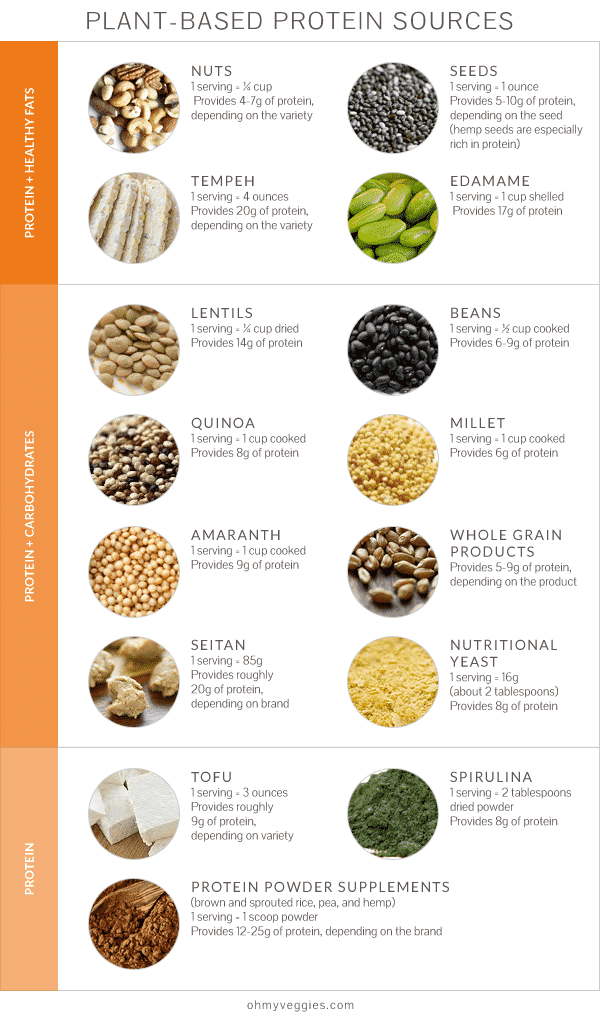
Plant-based diets are becoming increasingly popular as people recognize the health benefits of incorporating more fruits, vegetables, and whole grains into their meals. One concern often raised about plant-based eating is whether it provides enough protein. The good news is that there are plenty of complete plant-based protein sources available to meet your nutritional needs.
1. Quinoa: This ancient grain is not only a great source of protein but also contains all nine essential amino acids that our bodies need to function properly.
2. Chia Seeds: These tiny powerhouses are packed with protein, along with omega-3 fatty acids and fiber. They can be added to smoothies, oatmeal, or baked goods for an extra nutritional boost.
3. Lentils: With about 18 grams of protein per cooked cup, lentils are an excellent choice for vegetarians and vegans looking to increase their protein intake. They also provide iron and fiber.
4. Hemp Seeds: Rich in healthy fats and complete proteins, hemp seeds can be sprinkled on salads or blended into smoothies for an added nutrient punch.
5. Black Beans: High in both protein and fiber, black beans make a versatile addition to any meal – from soups and stews to tacos and burgers.
6. Tempeh: Made from fermented soybeans, tempeh offers a hefty dose of plant-based protein along with probiotics that support gut health.
7. Edamame: These young soybeans are not only delicious but also provide around 17 grams of protein per cup when cooked.
8. Spirulina: This blue-green algae may not be commonly found in everyone’s pantry but it is worth considering due to its high protein content (about 60-70% by weight) and numerous other nutrients like B vitamins, iron, calcium, magnesium, potassium etc., which makes it a superfood!
9. Chickpeas: Whether roasted for snacking or used in hummus, chickpeas are a fantastic source of protein and fiber.
10. Tofu: Made from soybeans, tofu is a staple in many plant-based diets due to its versatility and high protein content.
It’s important to note that while these sources provide complete proteins on their own, it’s always beneficial to combine different plant-based protein sources throughout the day to ensure you’re getting a variety of amino acids. Pairing grains with legumes (e.g., rice and beans) or nuts with seeds (e.g., almond butter on whole-grain bread) can help create complete protein combinations.
With so many delicious options available, there’s no need to worry about meeting your protein requirements on a plant-based diet. By incorporating these complete plant-based protein sources into your meals, you can enjoy the health benefits of a balanced diet without compromising on nutrition.

Leave a Reply