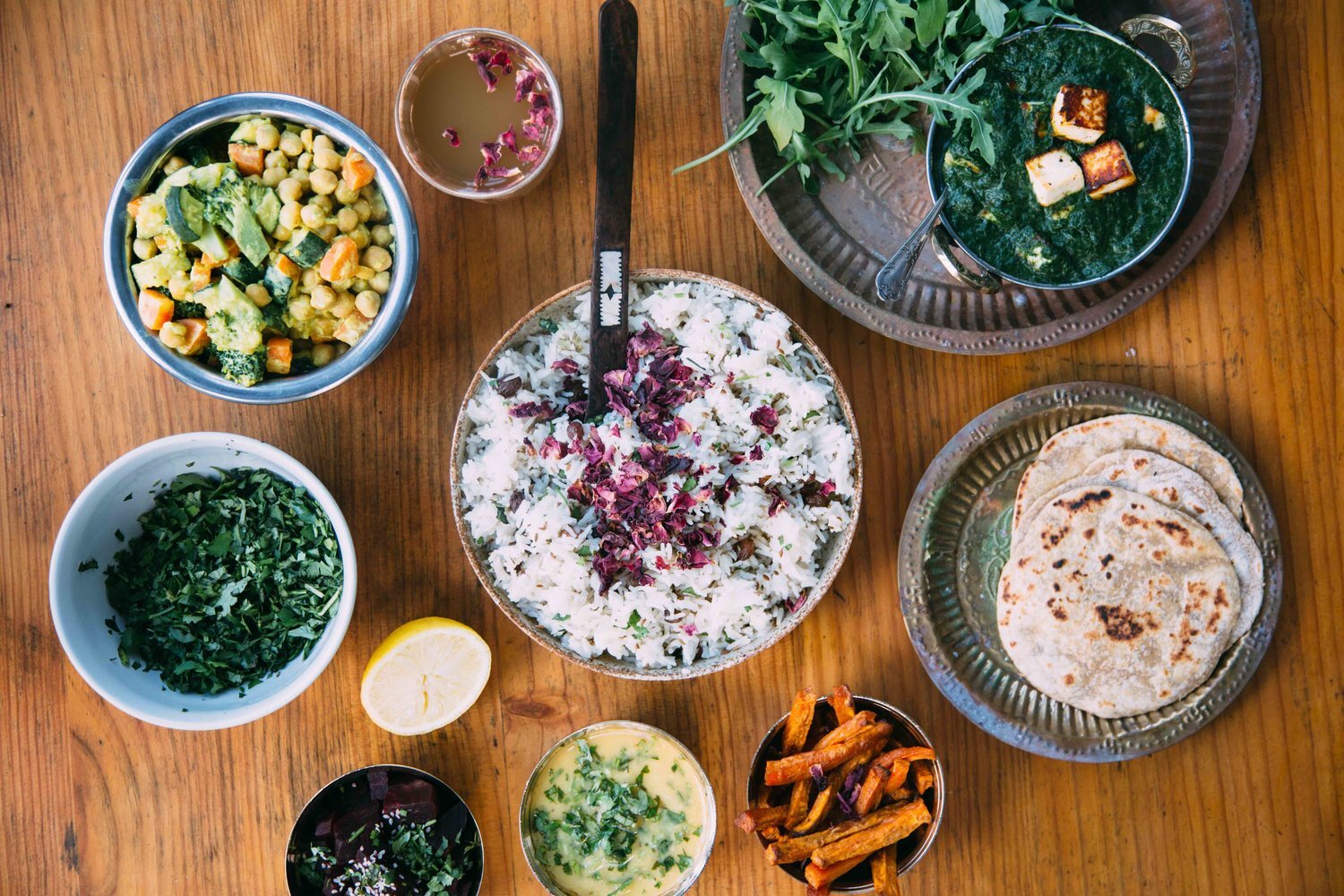
Ayurvedic Cooking: A Journey to Wellness
Introduction:
In today’s fast-paced world, where convenience often takes precedence over health, it is crucial to find ways to nourish our bodies and cultivate a sense of well-being. Ayurveda, an ancient Indian holistic healing system, offers a profound understanding of how food can be used as medicine to promote balance and harmony in our lives. Ayurvedic cooking principles embrace the idea that what we eat not only affects our physical health but also has a profound impact on our mental and emotional well-being.
In this article, we will explore the fundamental principles of Ayurvedic cooking and discover how incorporating these principles into your daily life can help you achieve optimal health, vitality, and inner balance.
Understanding Ayurveda:
Ayurveda is a Sanskrit word that translates to “knowledge of life” or “science of life.” It is based on the belief that everything in the universe is interconnected – including our physical body, mind, emotions, and spirit. According to Ayurveda, each individual possesses a unique combination of three doshas – Vata (air and ether), Pitta (fire and water), and Kapha (earth and water) – which determine their physiological makeup.
The Five Elements:
To understand Ayurvedic cooking principles fully, it is essential to grasp the concept of the five elements: space (akasha), air (vayu), fire (agni), water (jala), and earth (prithvi). These elements combine in various proportions to form the three doshas within us.
Vata Dosha:
Vata represents the energy associated with movement. It governs bodily functions such as circulation, respiration, elimination, communication between cells/nerves/muscles/joints. When out of balance due to factors like stress or improper diet choices – Vatas tend towards anxiety/insomnia/dry skin/bloating/constipation.
Pitta Dosha:
Pitta embodies the energy associated with transformation. It governs processes such as digestion, metabolism, and body temperature regulation. When out of balance due to factors like excessive heat or spicy foods – Pittas can experience anger/irritability/inflammation/heartburn.
Kapha Dosha:
Kapha represents the energy associated with structure and stability. It governs bodily functions such as growth, lubrication, and immune system strength. When out of balance due to factors like sedentary lifestyle or heavy foods – Kaphas may exhibit weight gain/slow digestion/lethargy/congestion.
Balancing Through Food Choices:
Ayurvedic cooking aims to balance the doshas through mindful food choices that promote harmony within our bodies. Here are some essential principles to incorporate into your daily cooking routine:
1. Fresh and Seasonal Ingredients: Ayurveda emphasizes using fresh ingredients that are in season since they contain higher nutritional value and prana (life force). Incorporate a variety of fruits, vegetables, grains, legumes, herbs, and spices into your meals.
2. Mindful Eating: Ayurveda encourages us to eat in a calm environment without distractions like television or phones. Chew each bite thoroughly to aid digestion and allow your body to receive vital nutrients efficiently.
3. Six Tastes: According to Ayurveda, different tastes have specific effects on our doshas. Include all six tastes – sweet (madhura), sour (amla), salty (lavana), pungent (katu), bitter (tikta), and astringent (kashaya) – in every meal for balanced nutrition.
4. Spices for Balance: Utilize an array of Ayurvedic spices like turmeric, cumin, coriander seeds ginger root cardamom cinnamon nutmeg saffron black pepper cloves fennel fenugreek and ajwain. These spices aid digestion, reduce inflammation, and provide essential nutrients.
5. Healthy Cooking Methods: Ayurveda recommends cooking methods like steaming, sautéing, boiling, or baking over deep-frying to preserve the natural qualities of food. Use high-quality oils such as ghee (clarified butter), coconut oil, or sesame oil in moderation for their therapeutic benefits.
6. Personalized Approach: Ayurvedic cooking recognizes that each individual has a unique constitution and therefore requires different dietary recommendations. Consultation with an Ayurvedic practitioner can help identify your dosha type and tailor your diet accordingly.
Sample Ayurvedic Meal Plan:
To give you a practical idea of how to incorporate Ayurvedic principles into your daily meals, here’s a sample meal plan that balances all three doshas:
Breakfast:
– Warm oatmeal cooked with almond milk
– Chopped fruits like apples or berries
– A sprinkle of cinnamon powder
– A small handful of soaked nuts
Lunch:
– Steamed basmati rice
– Mung bean dal cooked with ginger, turmeric, cumin seeds
– Sautéed vegetables like spinach and carrots in ghee
– A side of homemade yogurt
Snack:
– Freshly brewed herbal tea (such as ginger or tulsi)
– Handful of roasted chickpeas or almonds
Dinner:
– Grilled salmon seasoned with coriander seeds and lemon zest
– Quinoa pilaf with roasted vegetables (zucchini, bell peppers)
– Lightly dressed mixed green salad
Conclusion:
Ayurvedic cooking is not just about preparing delicious meals but also about nourishing our bodies at a deeper level. By understanding the principles outlined above and applying them to our daily lives, we can achieve balance in our physical health, mental clarity, emotional well-being – ultimately leading us on a path towards optimal wellness.
Embrace the wisdom of Ayurveda, experiment with new ingredients and cooking methods, and embark on a transformative journey that embraces food as medicine. May your culinary adventures bring you closer to a vibrant, harmonious existence!

Leave a Reply