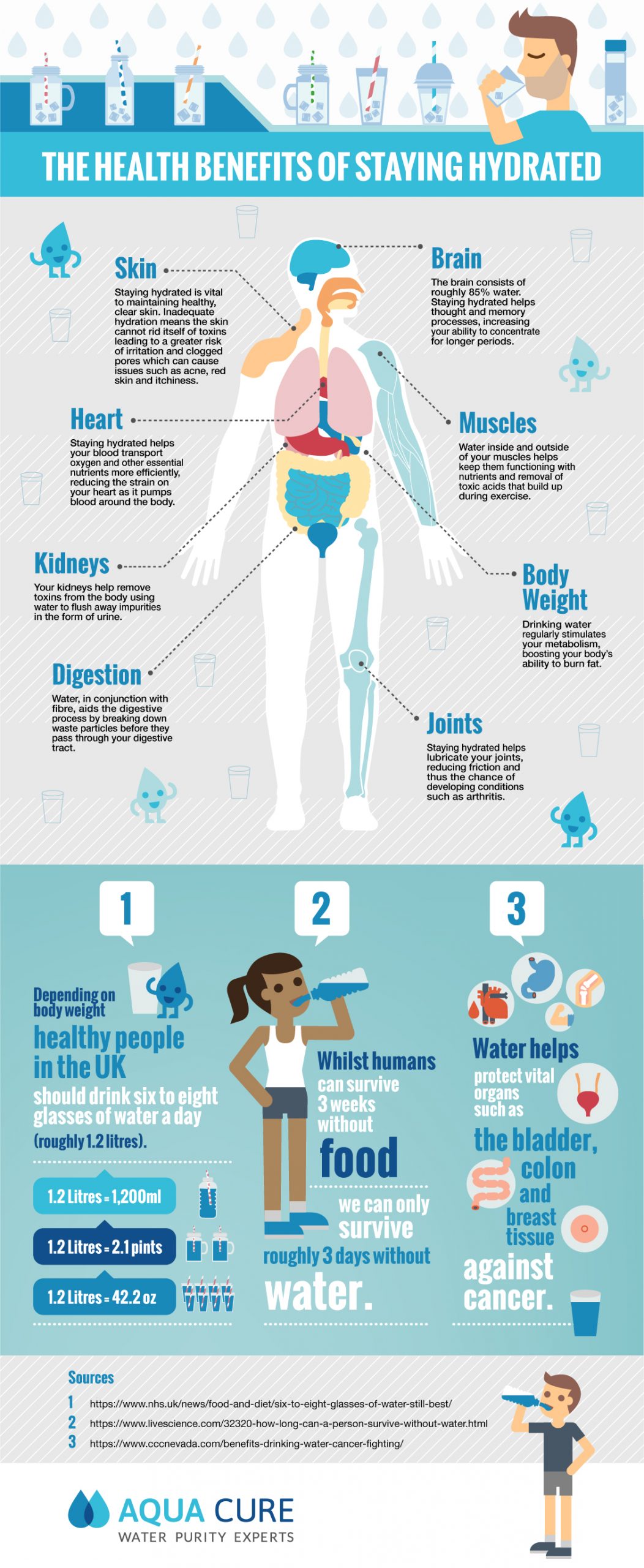
Hydration is a crucial aspect of maintaining overall health and well-being. It plays a vital role in various bodily functions, including digestion, temperature regulation, nutrient absorption, and circulation. In this article, we will explore several topics related to hydration and provide helpful tips for different individuals with specific dietary restrictions or health conditions.
1. Importance of Drinking Water at Room Temperature:
While many people prefer cold water, consuming it at room temperature can offer several benefits. Cold water can shock the digestive system and hinder digestion. On the other hand, drinking water at room temperature helps to optimize digestion by keeping your body’s internal environment stable.
2. Hydration Strategies for Athletes with Specific Dietary Restrictions:
Athletes following special diets such as gluten-free or dairy-free may need to pay extra attention to their hydration strategies. They can incorporate hydrating foods like fruits and vegetables into their diet along with electrolyte-rich beverages that are suitable for their dietary needs.
3. Impact of Hydration on Cognitive Function and Mental Clarity:
Proper hydration is essential for optimal brain function as even mild dehydration can impair cognitive performance and lead to difficulty focusing or fatigue. Drinking enough water throughout the day helps maintain mental clarity and concentration levels.
4. Hydrating Foods That Complement Water Intake:
In addition to drinking water, certain foods contribute significantly to overall hydration levels due to their high water content. Examples include cucumbers, tomatoes, melons, berries, leafy greens like lettuce or spinach, and citrus fruits like oranges.
5. Benefits of Herbal Teas for Hydration:
Herbal teas not only provide hydration but also offer additional health benefits depending on the herbs used in the brews. For instance, chamomile tea has soothing properties while ginger tea aids digestion.
6. Role of Electrolytes in Maintaining Proper Hydration Levels:
Electrolytes such as sodium, potassium, magnesium play a crucial role in fluid balance within the body. Consuming electrolyte-rich foods or beverages can help replenish these essential minerals and maintain proper hydration levels.
7. Hydration Tips for Individuals with Kidney or Bladder Conditions:
For individuals with kidney or bladder conditions, it is important to consult with a healthcare professional to determine the appropriate amount of water intake. In some cases, reducing fluid intake may be necessary, while in others, specific guidelines may need to be followed.
8. Staying Hydrated While Following a Low-Carb Diet:
Individuals following a low-carb diet can stay hydrated by increasing their water consumption and incorporating hydrating foods into their meals. Additionally, consuming broth or herbal teas can provide hydration without compromising the dietary restrictions.
9. Effects of Dehydration on Skin Health and Appearance:
Dehydration can have negative effects on skin health and appearance, leading to dryness, dullness, and increased signs of aging. Drinking an adequate amount of water helps maintain skin elasticity and promotes a healthy complexion.
10. Hydration Techniques for Pregnant Women and New Mothers:
Pregnant women require increased hydration due to additional fluid needs during pregnancy. Breastfeeding mothers should also focus on staying properly hydrated as breast milk production relies on adequate water intake.
11. Link Between Hydration and Digestive Health:
Proper hydration is crucial for maintaining digestive health as it helps prevent constipation by softening stools and promoting regular bowel movements.
12. Hydration Guidelines for Individuals with Diabetes or Insulin Resistance:
Individuals with diabetes or insulin resistance must manage their fluid intake carefully as part of their overall management plan. They should work closely with their healthcare team to establish proper hydration guidelines based on individual needs.
13. Impact of Alcohol Consumption on Hydration Levels:
Alcohol acts as a diuretic, causing increased urine production leading to dehydration if not compensated adequately by drinking enough water alongside alcoholic beverages.
14: Hydration Strategies for Individuals Living in High-Altitude Environments:
Living in high-altitude environments can increase the risk of dehydration due to increased respiration and potential for accelerated fluid loss. It is crucial to drink plenty of water, consume hydrating foods, and limit caffeine intake.
15: Effects of Dehydration on Exercise Performance and Recovery:
Dehydration during exercise can lead to decreased performance, muscle cramps, fatigue, and delayed recovery. It is essential to maintain proper hydration before, during, and after physical activity by consuming fluids that contain electrolytes.
16: Hydration Tips for Individuals Following a Vegan or Vegetarian Diet:
Vegans and vegetarians can stay hydrated by incorporating plant-based hydrating foods into their diet such as water-rich fruits and vegetables. Additionally, they can choose plant-based beverages like coconut water or almond milk fortified with calcium.
17: Role of Hydration in Managing Chronic Pain Conditions:
Proper hydration plays a role in managing chronic pain conditions by promoting optimal circulation, joint lubrication, and reducing inflammation. Staying hydrated also helps prevent headaches that may be associated with certain chronic pain conditions.
18: Hydrating Beverages Beyond Plain Water:
While drinking plain water is essential for hydration purposes, other beverages like coconut water or infused waters with fruits/herbs provide additional taste options while ensuring adequate fluid intake.
In conclusion, staying properly hydrated is vital for overall health regardless of dietary restrictions or specific health conditions. By following these tips related to different aspects of hydration, individuals can optimize their well-being and ensure their bodies function optimally. Remember to consult with healthcare professionals when necessary to develop personalized hydration strategies based on individual needs

Leave a Reply