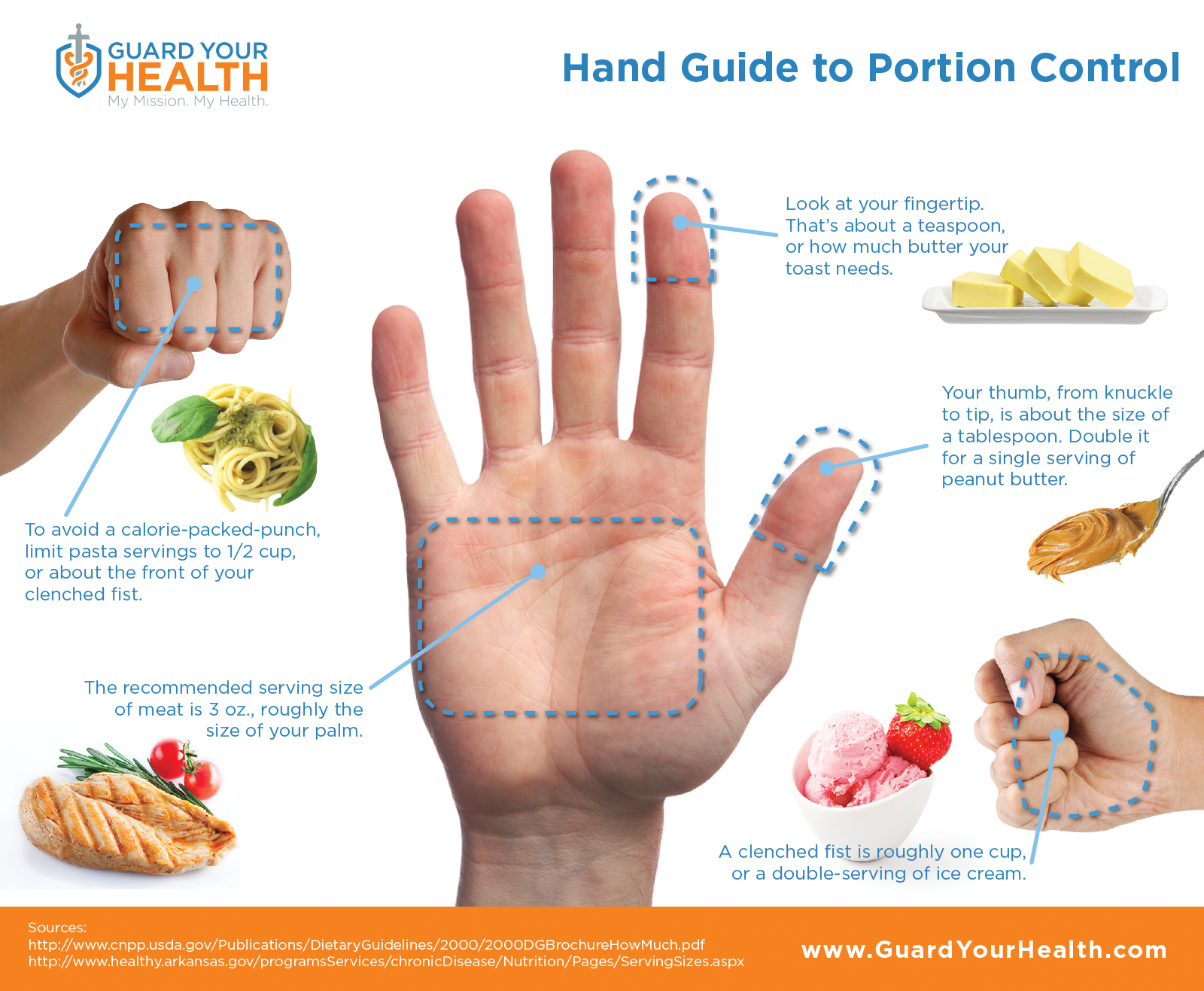
Portion control is a crucial aspect of maintaining a healthy diet and achieving overall wellness. It involves being mindful of the amount of food we consume, which can have significant psychological, physical, and social impacts. In this article, we will explore 25 different aspects related to portion control and its various implications in our lives.
1. The Psychological Impact of Portion Control:
Portion control has a profound effect on our psychology and mindset when it comes to food. By practicing portion control, individuals gain a sense of discipline and self-control over their eating habits. This leads to increased confidence, improved body image, and reduced feelings of guilt or shame associated with overeating.
2. Portion Control for Picky Eaters:
For those who are picky eaters or struggle with trying new foods, portion control can be an effective strategy. By starting with smaller portions of unfamiliar foods, they can gradually expand their palate without feeling overwhelmed by larger servings.
3. Portion Control Strategies for Dining Out:
Dining out often presents challenges when it comes to controlling portions as restaurants tend to serve large portions that exceed recommended serving sizes. Some strategies include ordering appetizers as main meals or splitting entrees with dining companions to avoid overeating.
4. Portion Control and Social Gatherings:
Social gatherings often revolve around food where indulgence is common. Practicing portion control during such events helps maintain balance while still enjoying the company and flavors offered at these gatherings.
5. Portion Control and Emotional Eating:
Emotional eating is triggered by emotions rather than hunger cues, leading to excessive consumption of comfort foods in larger quantities than necessary. Implementing portion control techniques helps break the cycle by promoting awareness of emotional triggers and encouraging healthier coping mechanisms.
6. Portion Control for Different Body Types:
Body types vary greatly among individuals; therefore, each person’s ideal portion size may differ based on their height, weight, activity level, metabolism rate, and dietary requirements. Consulting with a registered dietitian can help determine appropriate portion sizes for different body types.
7. Portion Control and Nutrient Density:
Portion control is not just about reducing the amount of food consumed but also focusing on nutrient-dense options. By prioritizing nutrient-rich foods in controlled portions, individuals can ensure they are getting the necessary vitamins, minerals, and macronutrients their bodies need to thrive.
8. The Role of Portion Control in Weight Loss Maintenance:
Portion control plays a vital role in weight loss maintenance by helping individuals sustain their desired weight after reaching their goal. It prevents overeating and promotes long-term adherence to healthier eating habits.
9. Portion Control for Athletes and Active Individuals:
Active individuals require more calories to support their physical activity levels; however, portion control is still crucial for maintaining overall balance and preventing excessive calorie intake that may hinder performance or lead to weight gain.
10. Portion Control During Pregnancy and Breastfeeding:
During pregnancy or breastfeeding, women need additional nutrients for themselves as well as their growing baby. Practicing portion control ensures they meet these increased nutritional needs without overindulging or undernourishing themselves.
11. Portion Control for Children and Teenagers:
Teaching children about portion control from an early age helps them develop healthy eating habits that will benefit them throughout their lives. Encouraging balanced meals with appropriate portion sizes aids in preventing childhood obesity while promoting optimal growth and development.
12. The Impact of Portion Size on Food Waste:
Large portion sizes often result in leftover food being thrown away, contributing to food waste issues globally. By practicing portion control at home or when dining out, we can reduce food waste while also benefiting our health.
13. Portion Control and Mindful Eating Practices:
Mindful eating involves being fully present during meals, paying attention to hunger cues, savoring each bite, and stopping when satisfied. Portion control goes hand in hand with mindful eating, helping individuals maintain a healthier relationship with food.
14. The Influence of Plate Size on Portion Perception:
Research has shown that plate size influences our perception of portion sizes. Smaller plates can make portions appear larger, leading to the consumption of smaller quantities and promoting portion control.
15. Portion Control Tips for Busy Lifestyles:
A hectic schedule often leads to rushed meals or reliance on convenience foods, which may result in overeating. Planning ahead, pre-portioning meals or snacks, and incorporating grab-and-go healthy options can help individuals manage their portions even during busy times.
16. The Connection Between Portion Sizes and Chronic Diseases:
Excessive portion sizes have been linked to an increased risk of chronic diseases such as obesity, heart disease, diabetes, and certain types of cancer. Practicing portion control helps mitigate these risks by regulating calorie intake and maintaining a healthy weight.
17. Portion Control While Traveling or on Vacation:
Traveling or being on vacation can make it challenging to practice portion control due to unfamiliar environments and access to indulgent foods. Being mindful of serving sizes, sharing dishes with travel companions, and seeking out healthier options can help maintain portion control even while away from home.
18. The Role of Portion Distortion in Overeating:
Portion distortion refers to the discrepancy between recommended serving sizes and what is commonly served at restaurants or found in packaged foods. Becoming aware of this distortion enables individuals to adjust their expectations around portion sizes and make more informed choices.
19. Strategies to Overcome Portion Distortion in Restaurants:
When dining out, it’s important to be proactive about managing portions since most restaurant servings are larger than necessary for an individual meal. Sharing meals with others or requesting half-portions can help prevent overeating while still enjoying restaurant fare.
20. The Impact of Portion Sizes on Sleep Quality:
Consuming large meals close to bedtime can disrupt sleep quality due to discomfort and digestive issues. Practicing portion control by having lighter dinners or spacing out meals before sleep can contribute to better sleep patterns.
21. Portion Control for Vegetarian or Vegan Diets:
Vegetarian and vegan diets often focus on plant-based foods, which can be consumed in larger quantities without exceeding calorie needs. However, practicing portion control is still important for balanced nutrition and weight management within these dietary choices.
22. How to Incorporate Portion-Controlled Treats into a Healthy Diet:
Including occasional treats in a healthy diet is possible through portion control. By enjoying smaller portions of indulgent foods, individuals can satisfy cravings while maintaining overall balance and avoiding feelings of deprivation.
23. The Effect of Portion Sizes on Blood Sugar Levels:
Large portion sizes, especially those high in refined carbohydrates, can cause blood sugar levels to spike rapidly, leading to energy crashes and increased hunger shortly after eating. Opting for appropriate portion sizes with a balance of macronutrients helps regulate blood sugar levels more effectively.
24. Tips for Reducing Portions Without Feeling Deprived:
Reducing portions does not mean feeling deprived or hungry all the time; it’s about finding the right balance that satisfies both physical and psychological needs. Strategies like using smaller plates, focusing on nutrient-dense options, and incorporating mindful eating practices help achieve this balance.
25. Understanding the Concept of “Portion Creep” in Modern Society:
Portion creep refers to the gradual increase in serving sizes over time as our perception of normal portions changes based on societal norms and marketing influences. Being aware of this phenomenon allows individuals to make conscious choices regarding their own portion sizes rather than being influenced by external factors.
In conclusion, portion control has far-reaching effects on our physical health, mental well-being, social interactions, and even environmental impact through food waste reduction. By implementing various strategies discussed here tailored to individual needs and circumstances, individuals can embrace portion control as a sustainable lifestyle choice for better overall health and wellness.

Leave a Reply