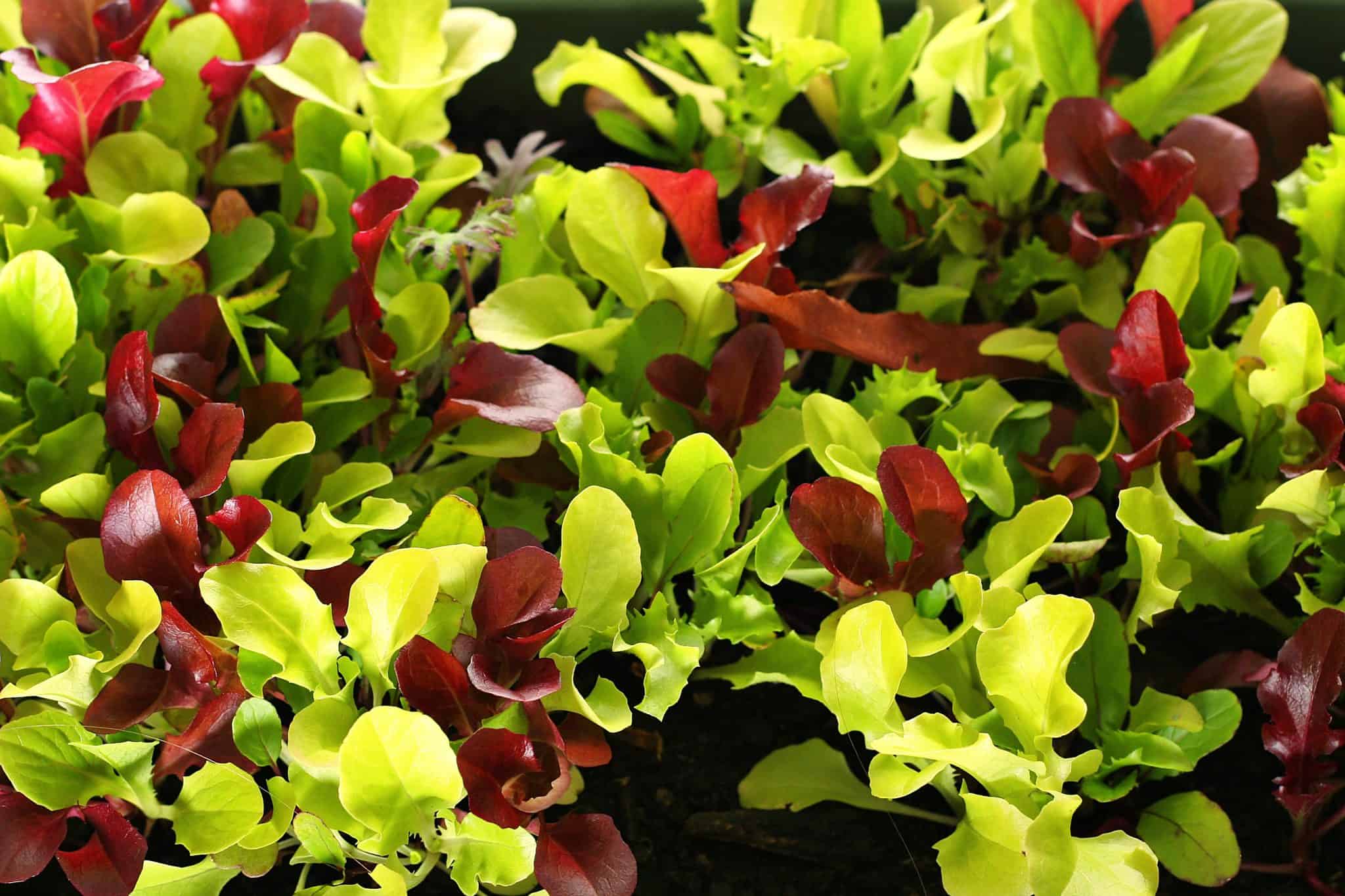
Microgreens have gained popularity in recent years for their vibrant colors, delicate flavors, and impressive nutritional content. While many people are familiar with popular varieties like broccoli and sunflower microgreens, there is a whole world of lesser-known varieties waiting to be discovered. In this article, we will delve into some of these lesser-known microgreen varieties that offer unique tastes and textures.
One such variety is amaranth microgreens. These tiny greens come in shades of green or red and have a slightly earthy flavor reminiscent of spinach. They are packed with vitamins A, C, and K, as well as iron and calcium. Amaranth microgreens make an excellent addition to salads or sandwiches.
Another interesting option is radish microgreens. Known for their spicy kick, these greens add a burst of flavor to any dish. Radish microgreens contain high levels of antioxidants such as sulforaphane which has been linked to cancer prevention. They can be used as a topping for soups or added to stir-fries for an extra punch.
If you’re looking for something more exotic, give shiso microgreens a try. Shiso is commonly used in Japanese cuisine but its miniature version offers the same herbaceous taste on a smaller scale. These tiny leaves are rich in vitamins A and C and can be used as a wrap for sushi rolls or sprinkled over grilled fish dishes.
For those who enjoy the tanginess of mustard greens but prefer them in milder form, mustard microgreens are ideal. With their peppery taste resembling wasabi or horseradish, these greens add depth to salads or sandwiches while providing plenty of vitamin C and potassium.
Moving away from leafy greens, let’s explore some lesser-known seed-based microgreens like chia seeds. Chia microgreens have become increasingly popular due to their omega-3 fatty acid content which promotes heart health and reduces inflammation in the body. These small sprouts can be sprinkled on top of yogurt, added to smoothies, or used as a garnish for desserts.
If you’re limited on space but still want to grow your own microgreens, fear not! Growing microgreens in small spaces is entirely possible and even easier than growing full-sized plants. All you need is a tray or container with drainage holes, some potting soil or coconut coir, and the seeds of your chosen microgreen variety. Simply sprinkle the seeds evenly over the surface of the soil and lightly press them down. Keep the soil moist but not waterlogged and place the tray in a sunny spot or under grow lights. Within a week or two, you’ll have a tray full of vibrant microgreens ready to harvest.
Apart from their delicious flavors, microgreens are also packed with nutrients that can benefit your health. For example, red cabbage microgreens contain high levels of vitamin C which boosts immunity and aids collagen production for healthy skin. Broccoli microgreens are known for their cancer-fighting properties thanks to sulforaphane. Pea shoots offer an impressive amount of vitamins A and C along with folate and fiber.
Antioxidants play a crucial role in preventing cell damage caused by free radicals in our bodies. Microgreens are an excellent source of antioxidants due to their concentrated nutrient content compared to mature plants. Varieties like sunflower greens contain high levels of vitamin E which acts as an antioxidant protecting our cells from oxidative stress.
Smoothies provide a convenient way to incorporate microgreens into your diet while enjoying their nutritional benefits without compromising taste. Pairing mild-flavored greens like spinach or lettuce with sweeter fruits such as berries or bananas helps balance flavors while providing essential vitamins and minerals.
If you have picky eaters at home who turn up their noses at vegetables, incorporating microgreens into recipes might just do the trick! Adding finely chopped broccoli or kale microgreens into meatballs or hiding them in omelets can introduce these nutrient powerhouses to the diet of even the most discerning eaters.
Growing microgreens at home not only benefits your health but also has a positive impact on the environment. By reducing food miles and avoiding pesticides commonly used in commercial agriculture, you contribute to sustainable farming practices. Additionally, microgreens require less water and space compared to full-grown plants, making them an eco-friendly choice for urban dwellers or those with limited gardening space.
Hydroponics is another method gaining popularity for growing microgreens due to its efficiency and minimal use of resources. Hydroponic systems allow you to grow greens without soil by providing essential nutrients directly through water solutions. This technique can result in faster growth rates and higher yields while conserving water.
The history of microgreens dates back thousands of years, with ancient cultures like the Persians and Egyptians utilizing their nutritional properties for healing purposes. Today, they have become a staple in many culinary traditions worldwide, adding flavor, color, and texture to dishes ranging from salads to gourmet entrees.
When it comes to garnishing gourmet dishes, microgreens offer endless possibilities. Their delicate appearance makes them ideal for adding a touch of elegance to plated meals. Sprinkle some cilantro or basil microgreens over pasta dishes or use arugula microgreens as a finishing touch on pizzas for an extra burst of peppery flavor.
Microgreens are often touted as beneficial additions to detoxification diets due to their high nutrient content that supports overall cleansing functions within the body. The chlorophyll present in green-hued microgreen varieties aids liver function while fiber-rich options like broccoli sprouts help promote healthy digestion.
Inflammation is at the root of many chronic diseases such as heart disease and arthritis. Microgreens have been found to contain compounds that possess anti-inflammatory properties which may help reduce inflammation markers in the body when consumed regularly as part of a balanced diet.
Whether you choose to grow microgreens hydroponically or in soil, both methods have their own advantages. Soil-based cultivation allows plants to absorb nutrients naturally and provides a more traditional gardening experience. On the other hand, hydroponic systems offer precise control over nutrient delivery and can result in faster growth rates.
While most people are aware of the general health benefits of microgreens, some lesser-known varieties offer specific advantages. For instance, cilantro microgreens have been found to help remove heavy metals from the body due to their ability to bind with these toxins and aid in their excretion.
If you’re new to growing microgreens, there are a few tips that can help ensure success. Start by choosing seeds specifically labeled for microgreen production as they tend to have higher germination rates. Additionally, proper lighting is crucial for healthy growth – either place your trays near a sunny window or invest in grow lights designed for indoor gardening.
After harvesting your bountiful crop of microgreens, it’s important to store them properly to maintain freshness and flavor. Rinse the greens gently under cold water and pat them dry with paper towels before storing them in an airtight container lined with damp paper towels or kitchen cloth. This will keep them fresh for up to a week in the refrigerator.
Light exposure plays a significant role in maximizing the nutrient content of microgreens. Studies have shown that exposing certain varieties like red cabbage or broccoli sprouts to light during the last few days before harvest can increase their levels of beneficial compounds such as anthocyanins or sulforaphane respectively.
Microgreen-infused oils and vinegars add an extra dimension of flavor when used in cooking or dressings. Simply infuse your favorite oil or vinegar by placing a handful of washed microgreens into a bottle filled with your chosen liquid and let it sit for at least two weeks before straining out the solids.
Don’t let any leftover scraps go to waste! Get creative by using microgreen scraps in various ways. Toss them into omelets or frittatas, blend them into pesto or green sauces, or add them to homemade bread dough for a burst of color and flavor.
Each microgreen variety brings its own unique taste profile to the table. For example, pea shoots offer a slightly sweet and nutty flavor while arugula microgreens bring a peppery kick. Experimenting with different combinations can elevate your culinary creations and introduce new flavors to your palate.
In conclusion, exploring the world of lesser-known microgreen varieties opens up endless possibilities for adding nutrition, flavor, and visual appeal to your meals. Whether you choose to grow them at home in small spaces or purchase from local farmers, these miniature greens offer an array of health benefits that should not be overlooked. From their antioxidant properties to potential anti-inflammatory effects, incorporating microgreens into your diet can truly enhance your overall well-being while satisfying your taste buds. So why not embark on this flavorful journey and discover the wonders of microgreens for yourself?

Leave a Reply