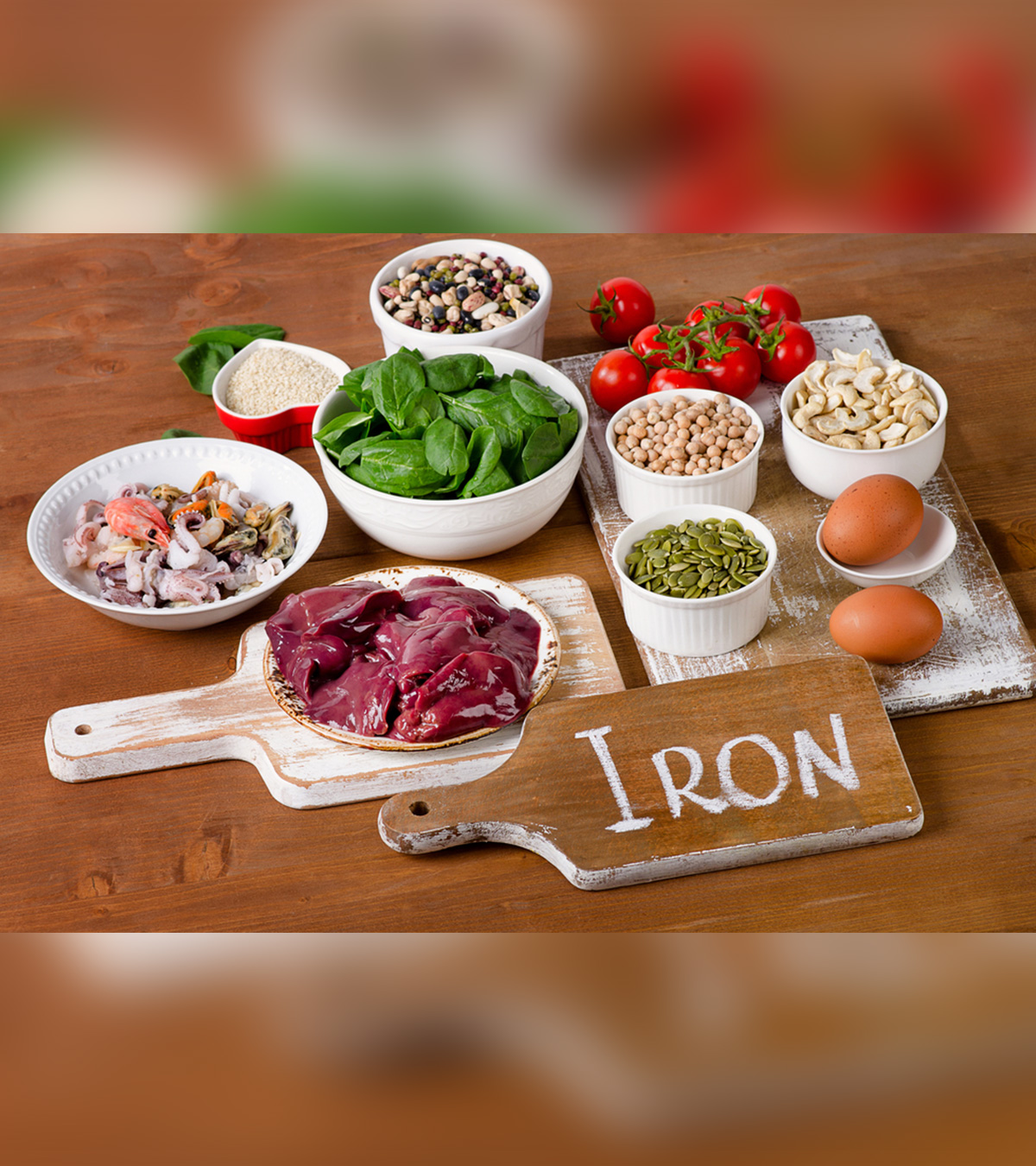
Iron is an essential mineral that plays a crucial role in maintaining our overall health. It is an integral part of hemoglobin, the protein responsible for carrying oxygen to all parts of our body. Without sufficient iron, our bodies cannot produce enough healthy red blood cells, leading to iron deficiency anemia. Therefore, it is important to understand the significance of incorporating iron-rich foods into our diet.
One primary function of iron is its ability to transport oxygen throughout the body. Oxygen is necessary for the production of energy and the proper functioning of various organs and tissues. Iron ensures that oxygen reaches every cell in our body, promoting optimal performance and preventing fatigue or weakness.
In addition to aiding oxygen transportation, iron also supports immune system function. Iron helps in the production of white blood cells that defend against infections and diseases. It enhances immunity by strengthening barriers against harmful pathogens and supporting their eradication from the body.
Furthermore, iron plays a vital role in cognitive development and brain function. The brain requires a constant supply of oxygen for optimal performance as it consumes approximately 20% of our total oxygen intake. Adequate levels of iron ensure sufficient oxygen delivery to maintain cognitive abilities such as memory retention, concentration, and alertness.
Iron also contributes significantly to muscle health and strength. This mineral facilitates the storage and utilization of oxygen within muscle tissues during physical activity or exercise. Sufficient dietary intake can enhance endurance levels while reducing muscle fatigue or cramping during strenuous workouts.
Pregnant women particularly require increased amounts of iron due to its critical role in fetal development. Iron aids in forming hemoglobin for both mother and baby’s red blood cells, ensuring adequate oxygen supply throughout pregnancy. Insufficient iron levels during pregnancy may lead to complications like premature birth or low birth weight.
Children are another group who need adequate amounts of dietary iron due to rapid growth spurts during early stages of life. Iron supports physical growth by facilitating bone formation through collagen synthesis—a process requiring oxygen. Insufficient iron during childhood can lead to developmental delays and may impact learning abilities.
Iron is available in two forms: heme iron and non-heme iron. Heme iron, found primarily in animal-based foods like red meat, poultry, and fish, is more easily absorbed by the body compared to non-heme iron. Non-heme iron, present in plant-based sources such as legumes, spinach, and fortified cereals, requires additional factors like vitamin C for optimal absorption.
To ensure a well-balanced diet with sufficient iron intake, it is essential to include a variety of food sources. Lean meats like beef or chicken provide easily absorbable heme iron while also offering high-quality protein. Fish such as salmon or tuna are rich in both iron and omega-3 fatty acids that promote heart health.
For individuals following vegetarian or vegan diets, plant-based sources become vital for meeting their daily recommended intake of iron. Legumes like lentils or chickpeas provide a significant amount of non-heme iron along with protein and fiber. Leafy greens such as spinach or kale also offer valuable amounts of this essential mineral.
Combining non-heme plant-based sources with vitamin C-rich foods enhances the absorption of dietary iron. Citrus fruits like oranges or grapefruits can be consumed alongside meals containing legumes or leafy greens to maximize the utilization of this important mineral.
It’s worth noting that excessive consumption of supplemental forms of iron can have adverse effects on health. Therefore, it’s best to rely on natural food sources whenever possible unless advised otherwise by a healthcare professional.
In conclusion, including adequate amounts of dietary iron is crucial for maintaining overall health and well-being. Whether through animal-based products or plant-based alternatives combined with vitamin C-rich foods, incorporating various sources ensures optimal absorption and availability of this essential mineral within our bodies. By prioritizing sufficient levels of dietary iron in our everyday meals, we can support our immune system, promote cognitive function, enhance physical performance, and nurture healthy development in pregnant women and children.

Leave a Reply