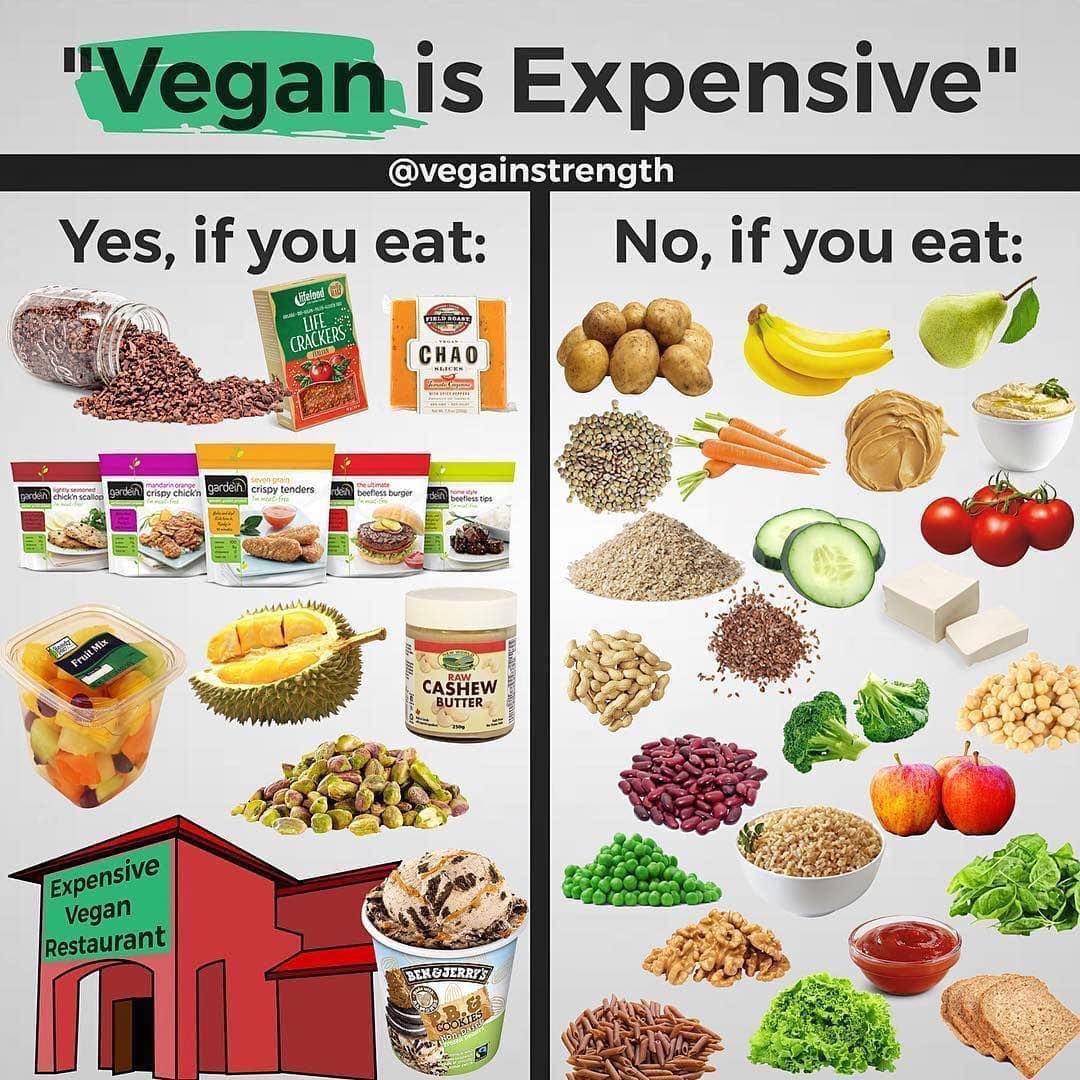
Veganism is a dietary choice that excludes any animal products or by-products from one’s diet. While it can provide numerous health benefits, including lower cholesterol levels and reduced risk of heart disease, it is important for vegans to pay attention to their nutrient intake to ensure they meet all their nutritional needs. Here are 15 essential nutrients that vegans should consider incorporating into their diets:
1. Protein:
Protein is crucial for tissue repair, muscle building, and overall growth. Contrary to popular belief, there are plenty of plant-based protein sources available for vegans. Incorporate legumes like lentils, chickpeas, and black beans into your meals since they are excellent sources of protein.
2. Iron:
Iron plays a vital role in carrying oxygen throughout the body and maintaining energy levels. Plant-based iron sources include dark leafy greens such as spinach and kale, fortified cereals, dried fruits like apricots and raisins, as well as nuts and seeds.
3. Vitamin B12:
Vitamin B12 is primarily found in animal products; therefore, it’s essential for vegans to supplement this nutrient or consume foods fortified with vitamin B12 like plant-based milks or breakfast cereals.
4. Omega-3 Fatty Acids:
Omega-3 fatty acids are beneficial for heart health and brain function. Vegans can obtain these healthy fats from flaxseeds, chia seeds, hemp seeds, walnuts, algae oil supplements (rich in DHA), or by consuming seaweed regularly.
5. Calcium:
Calcium is necessary for strong bones and teeth as well as proper nerve function. Vegan calcium sources include leafy greens (collard greens or broccoli), tofu made with calcium sulfate (check product labels), fortified non-dairy milk alternatives like almond milk or soy milk.
6. Vitamin D:
Vitamin D aids in calcium absorption and promotes bone health but can be challenging to obtain from plant-based sources alone. Vegans can get vitamin D from fortified plant-based milk, mushrooms exposed to sunlight, or by taking a vegan-friendly vitamin D supplement.
7. Zinc:
Zinc is important for immune function and wound healing. Plant-based zinc sources include legumes, whole grains (such as quinoa or brown rice), nuts, seeds (particularly pumpkin seeds), and fortified breakfast cereals.
8. Vitamin K:
Vitamin K helps with blood clotting and bone metabolism. While it is naturally found in animal products like liver or eggs, vegans can opt for plant-based sources such as kale, spinach, broccoli, Brussels sprouts, or fermented soybean products like natto.
9. Iodine:
Iodine is essential for proper thyroid function and the production of thyroid hormones that regulate metabolism. Vegans should consider using iodized salt in their cooking or consuming seaweed regularly to ensure adequate iodine intake.
10. Magnesium:
Magnesium plays a role in muscle function and maintaining healthy blood pressure levels. Good vegan sources of magnesium include almonds, cashews, peanuts, legumes (like black beans), leafy greens (such as spinach), and whole grains.
11. Vitamin C:
Vitamin C supports a healthy immune system and aids iron absorption from plant foods when consumed together at the same mealtime. Citrus fruits like oranges are excellent sources of vitamin C while other options include strawberries, kiwi fruit, bell peppers, guava or papaya.
12: Selenium:
Selenium acts as an antioxidant protecting cells against damage caused by free radicals within the body and supporting thyroid function too. Vegans can consume selenium through Brazil nuts which are particularly high in this nutrient but remember not to overconsume them due to their high calorie content.
13: Fiber:
Fiber aids digestion by promoting regular bowel movements while also helping maintain a healthy weight level by keeping you feeling full longer. Excellent sources of fiber for vegans include whole grains, legumes, fruits, vegetables, and nuts.
14: Vitamin A:
Vitamin A is important for maintaining healthy vision as well as supporting the immune system. Vegans can obtain vitamin A from orange-colored fruits and vegetables like carrots or sweet potatoes or by consuming leafy greens such as spinach.
15: Phosphorus:
Phosphorus helps build strong bones and teeth while also playing a vital role in energy production. Vegan sources of phosphorus include legumes (such as lentils), tofu made with calcium sulfate, whole grains (like quinoa), nuts, and seeds.
While these nutrients are essential for vegans to consider incorporating into their diets, it’s crucial to maintain a balanced eating plan that includes a variety of whole plant-based foods. Consulting with a registered dietitian who specializes in vegan nutrition can also help ensure you meet all your nutritional needs on this dietary journey. Remember, with proper planning, being a healthy vegan is easily achievable!

Leave a Reply