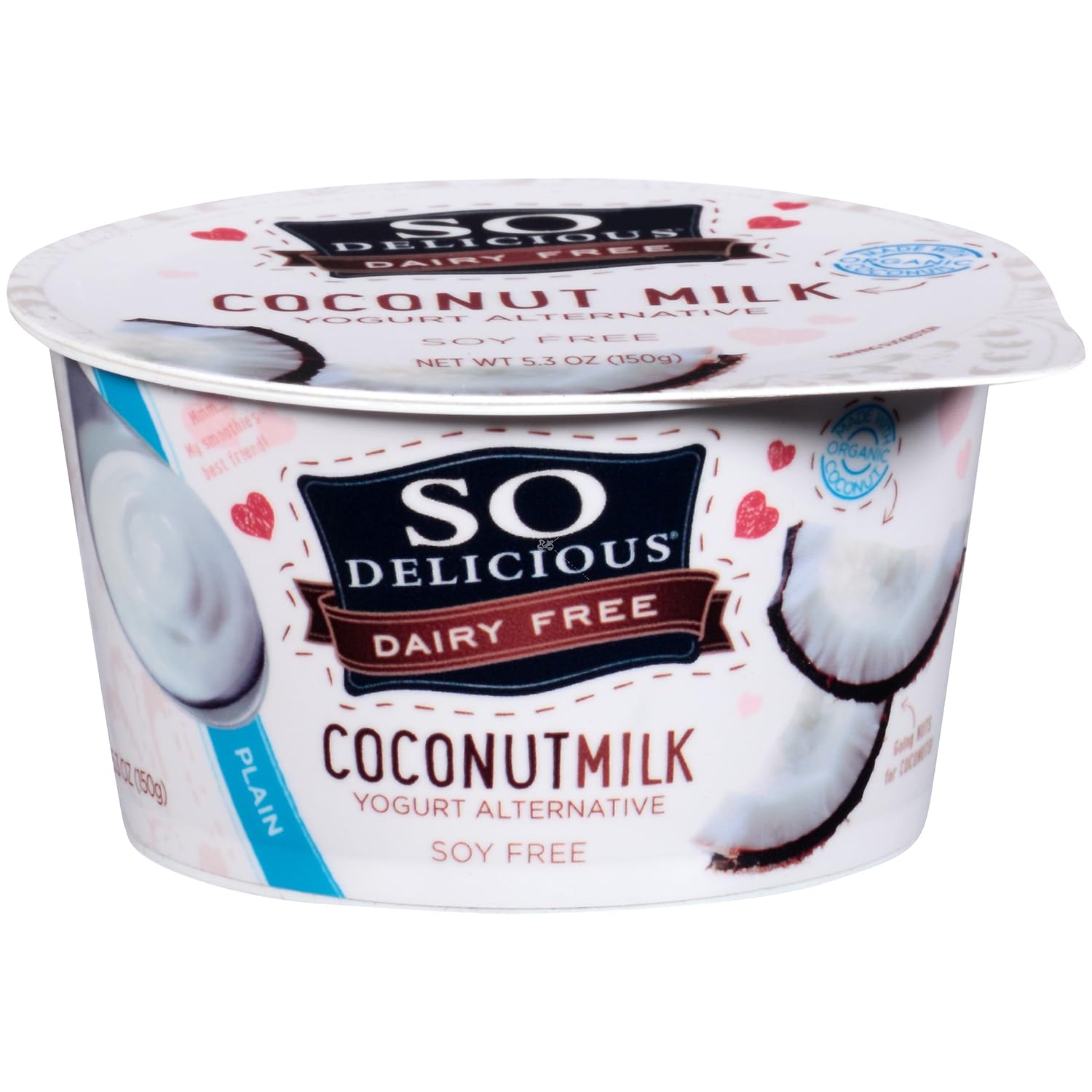
Coconut Milk Yogurt Alternatives: A Guide to Healthy and Delicious Options
Are you in search of a creamy and dairy-free yogurt alternative? Look no further than coconut milk yogurt alternatives! Whether you have dietary restrictions, are lactose intolerant, or simply want to explore new options, coconut milk yogurts offer a rich and satisfying taste while providing numerous health benefits. In this post, we will delve into the world of coconut milk yogurt alternatives, exploring their nutritional value, how they compare to traditional yogurt options, and some delicious recipes for you to try at home.
What is Coconut Milk Yogurt?
Coconut milk yogurt is made from the flesh of mature coconuts blended with water. It has gained popularity as a vegan alternative to dairy-based yogurts due to its creamy texture and pleasant taste. Unlike traditional yogurts that rely on cow’s milk or other animal products for their base, coconut milk yogurts are entirely plant-based.
Nutritional Benefits of Coconut Milk Yogurt
One key advantage of coconut milk yogurt alternatives lies in their nutrient profile. They are an excellent source of healthy fats known as medium-chain triglycerides (MCTs). MCTs are easily digested by the body and can provide quick energy without being stored as fat.
Coconut milk also contains lauric acid—a type of fatty acid with antiviral properties that can support your immune system. Additionally, it offers essential vitamins such as vitamin C and minerals like magnesium and potassium.
Another benefit is that most brands fortify their products with probiotics—live bacteria strains that promote gut health. Probiotics help maintain a balanced digestive system by supporting beneficial bacteria in your gut microbiome.
Comparing Coconut Milk Yogurt Alternatives
While there are similarities between regular dairy-based yogurts and coconut milk yogurt alternatives, there are also some differences worth noting:
1. Texture: Coconut milk yogurts tend to be creamier and smoother compared to traditional yogurts. The natural fat content in coconut milk contributes to this luxurious texture.
2. Flavor: Coconut milk yogurt has a distinct tropical flavor that adds a delightful touch to your dishes. However, it may not be the ideal choice if you’re seeking a neutral taste for certain recipes.
3. Protein Content: Traditional yogurts are known for being protein-rich, which can aid in muscle recovery and satiety. While coconut milk yogurt alternatives contain some protein, they generally have lower amounts than dairy-based options.
4. Calcium Content: Cow’s milk is renowned for its calcium content, crucial for maintaining strong bones and teeth. To ensure adequate calcium intake when switching to coconut milk yogurt alternatives, opt for fortified brands or include other dietary sources of calcium in your meals.
Popular Coconut Milk Yogurt Brands
With the growing demand for dairy-free alternatives, many brands now offer delicious coconut milk yogurts with various flavors and textures:
1. So Delicious Dairy Free: This brand offers an extensive range of flavors including vanilla bean, unsweetened plain, and strawberry banana.
2. Coyo: Known for their organic ingredients and minimal processing methods, Coyo provides rich and creamy coconut milk yogurts with no added sugars.
3. Anita’s Creamline Coconut Yogurt: Using fresh coconuts from Thailand’s sustainable farms, Anita’s Creamline produces tangy and probiotic-rich coconut yogurt available in both regular and Greek-style varieties.
Homemade Recipes
If you prefer making your own yogurt at home or want more control over the ingredients used, here are two simple yet delicious recipes to try:
1. Classic Coconut Milk Yogurt:
Ingredients:
– 2 cans of full-fat coconut milk
– 2 tablespoons of tapioca starch
– Probiotic capsules (as per package instructions)
Instructions:
a) In a saucepan over medium heat, whisk together coconut milk and tapioca starch until well combined.
b) Bring the mixture to a gentle boil, stirring continuously for about 5 minutes until thickened.
c) Remove from heat and let it cool to room temperature.
d) Open the probiotic capsules and mix them into the cooled coconut milk mixture.
e) Transfer the mixture to a glass jar, cover with a cheesecloth or paper towel secured with a rubber band, and leave it at room temperature for 24-48 hours or until desired tanginess is achieved. Then refrigerate before serving.
2. Fruit-infused Coconut Milk Yogurt:
Ingredients:
– 2 cans of full-fat coconut milk
– 1 tablespoon of maple syrup (optional)
– Fresh fruits of your choice (berries, peaches, mangoes)
Instructions:
a) Blend the fresh fruits in a blender until smooth.
b) In a bowl, combine the blended fruit with coconut milk and maple syrup if desired; whisk together until well incorporated.
c) Transfer the mixture into individual serving jars or bowls and refrigerate for at least 3 hours or overnight before enjoying.
Conclusion
Coconut milk yogurt alternatives offer a delectable way to enjoy creamy dairy-free yogurts while reaping several health benefits. Whether you choose store-bought options or make your own at home using simple recipes, there’s no shortage of variety when it comes to flavors and textures. So why not give these alternatives a try? Your taste buds—and your body—will thank you!

Leave a Reply