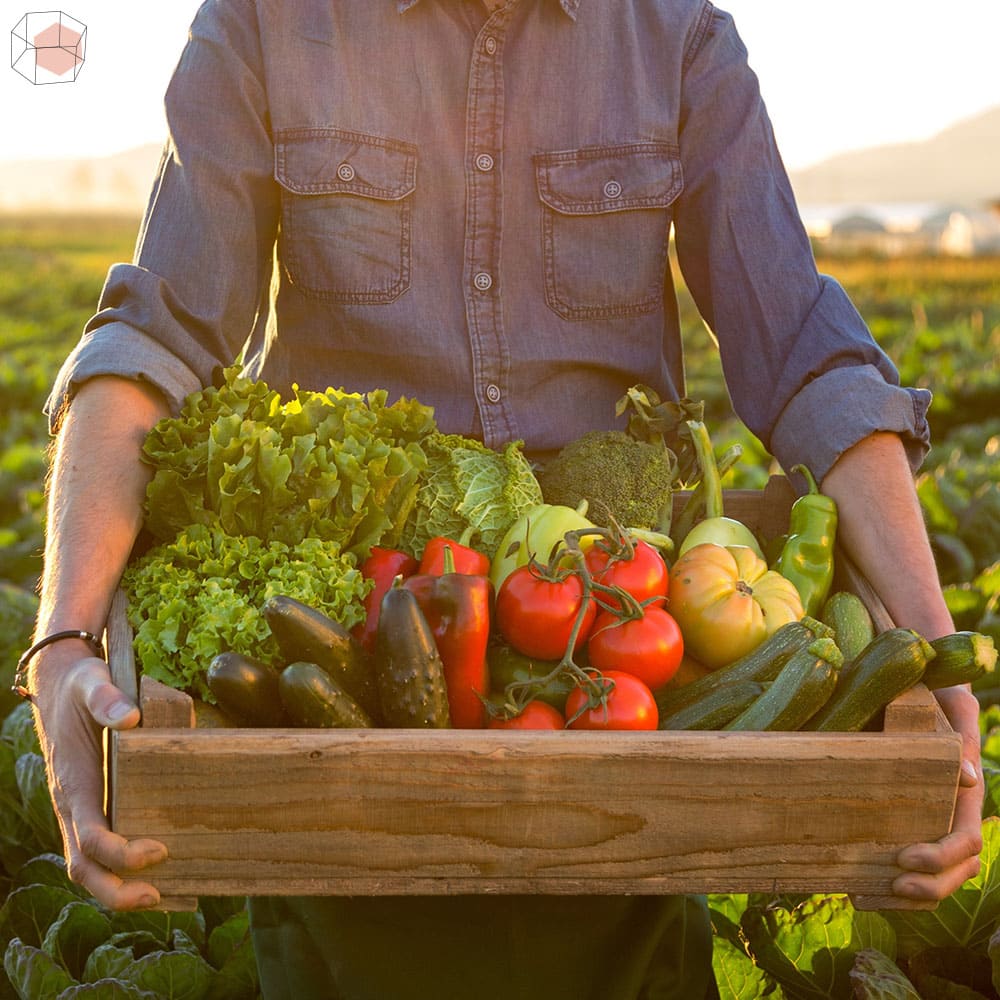
The Farm-to-Table Movement: Bringing Fresh and Local Food to Your Plate
Q: What is the farm-to-table movement?
A: The farm-to-table movement is a social initiative that emphasizes sourcing food directly from local farms and serving it in restaurants or selling it in markets. It aims to promote sustainable agriculture, support local farmers, and provide consumers with fresh, nutritious, and environmentally friendly produce.
Q: Why has the farm-to-table movement gained popularity?
A: There are several reasons behind the growing popularity of the farm-to-table movement. Firstly, people are becoming more conscious about what they eat and where their food comes from. They want to know that their meals are made with high-quality ingredients sourced locally rather than being shipped across long distances. Additionally, there is a greater focus on supporting small-scale farmers who practice sustainable farming methods. Lastly, consumers appreciate the health benefits associated with eating fresh fruits, vegetables, and other products straight from the source.
Q: How does this movement benefit both farmers and consumers?
A: The farm-to-table movement brings numerous benefits for both farmers and consumers alike. For farmers, participating in this initiative allows them to establish direct relationships with customers by cutting out middlemen such as distributors or wholesalers. This can result in higher profits since they receive fair prices for their goods while avoiding additional expenses incurred during transportation.
Consumers benefit from accessing fresher produce since it often reaches them within hours of harvesting instead of spending days or weeks in transit. Locally sourced food also tends to have higher nutritional value due to shorter transport times reducing nutrient loss. Moreover, buying directly from farmers encourages seasonal eating patterns aligned with regional harvests.
Q: How can individuals get involved in this movement?
A: There are various ways individuals can engage with the farm-to-table movement:
1. Support local farmers’ markets – Shop at nearby farmer’s markets where you’ll find an abundance of fresh produce straight from local farms.
2. Join a community-supported agriculture (CSA) program – By becoming a member of a CSA, you can receive regular deliveries or pick up boxes of fresh produce directly from local farmers.
3. Dine at farm-to-table restaurants – Choose to eat at restaurants that prioritize sourcing ingredients locally and seasonally. These establishments often provide information about the farms they work with, allowing you to feel more connected to your food.
4. Grow your own food – Even if you have limited space, consider starting a small garden or growing herbs in pots on your balcony or windowsill. This way, you can enjoy the satisfaction of harvesting your own produce.
5. Educate yourself about sustainable farming practices – Learn about organic farming methods and support farmers who prioritize sustainability by minimizing chemical inputs and promoting biodiversity.
Q: Are there any challenges associated with the farm-to-table movement?
A: While the farm-to-table movement has numerous benefits, it also faces some challenges. One significant obstacle is establishing efficient supply chains between farmers and consumers, as this requires coordination and logistics management. Furthermore, relying on local produce may limit options during certain seasons when specific fruits or vegetables are not readily available in certain regions due to climate constraints.
Additionally, purchasing locally sourced products might be more expensive than buying mass-produced items from large retailers due to economies of scale. However, many argue that investing in high-quality food grown sustainably is worth the added cost for both personal health and supporting local communities.
In conclusion, the farm-to-table movement offers an opportunity for consumers to make healthier choices while supporting local farmers and fostering sustainable agricultural practices. By actively engaging with this initiative through shopping at farmer’s markets or joining CSAs, individuals can take part in creating a healthier food system that benefits everyone involved – from seed to plate

Leave a Reply