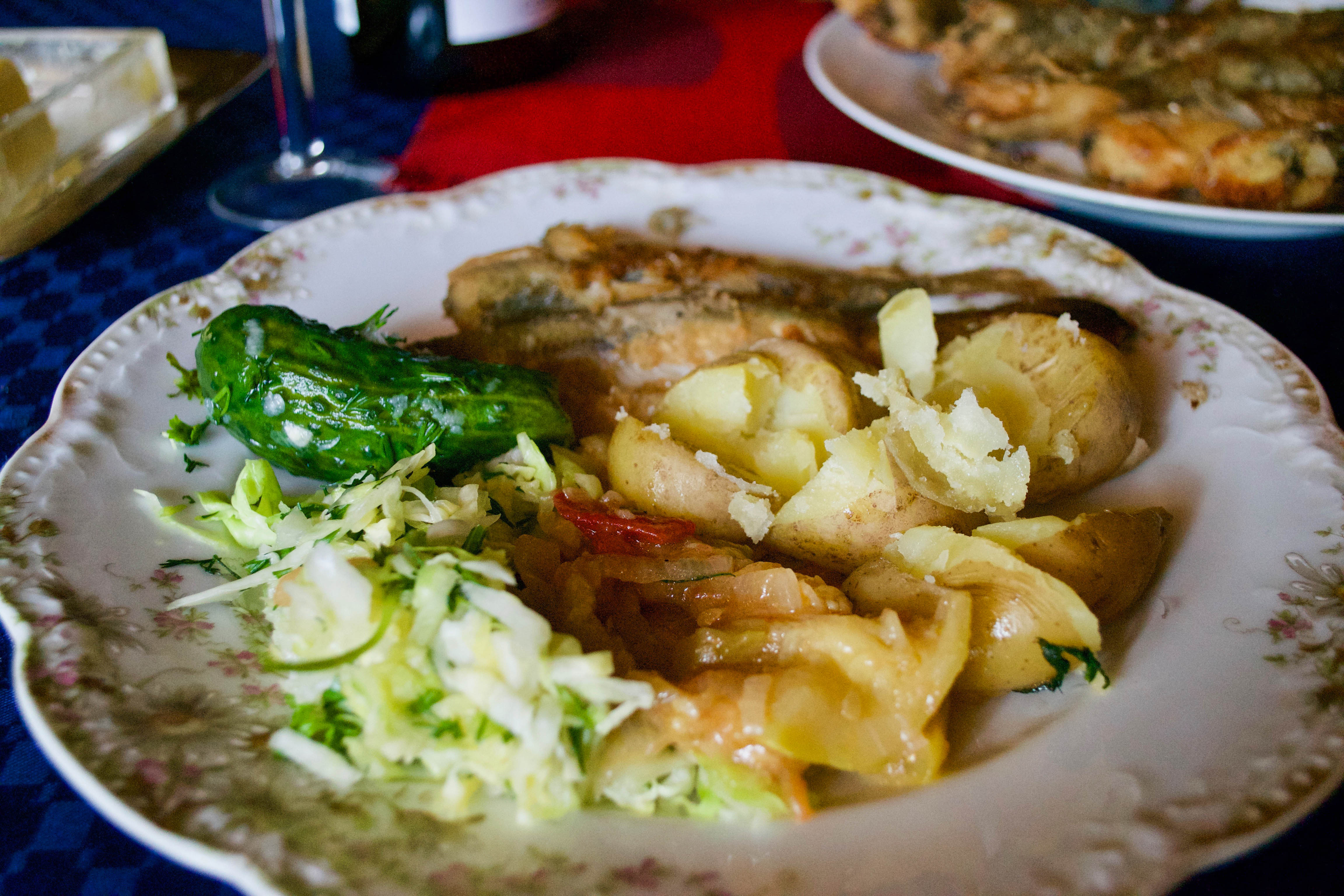
Russia, the largest country in the world, is not only renowned for its rich history and breathtaking landscapes but also its unique cuisine. Traditional Russian food reflects the country’s diverse cultural influences and harsh climate, where hearty and nourishing dishes are favored. From borscht to blini, let’s embark on a culinary journey through Russia’s traditional fare.
One of the most iconic dishes in Russian cuisine is borscht. This vibrant beet soup has been enjoyed by Russians for centuries. Made with beets, cabbage, potatoes, carrots, onions, and sometimes meat or mushrooms, borscht is both nutritious and delicious. Its deep red color makes it visually appealing while its hearty flavors warm the soul during cold winter months.
Another staple of Russian cuisine is pelmeni – small dumplings filled with minced meat such as beef or pork. These bite-sized delights are typically served with sour cream or melted butter. Pelmeni are not only easy to make but also incredibly comforting to eat. They have become a popular treat across Russia and can be found in households as well as restaurants throughout the country.
Blending elements of both Eastern European and Central Asian cuisines, pirozhki are another beloved dish in Russia. These individual-sized baked pastries come in various fillings such as meat, cheese, cabbage, or even sweet options like jam or fruits. Pirozhki can be eaten as a snack on-the-go or served alongside soups and salads for a more substantial meal.
No discussion of Russian food would be complete without mentioning caviar – one of the country’s most famous exports. Traditionally sourced from sturgeon fish found in rivers like Volga or Caspian Sea basins within Russia’s borders, caviar is known for its luxurious taste and texture. It is often enjoyed on blini (thin pancakes) accompanied by sour cream or butter.
Lastly yet importantly comes kvass – a fermented beverage that has been consumed in Russia for centuries. Made from fermented rye bread, kvass is a slightly sweet and tangy drink with a low alcohol content. It is often enjoyed on hot summer days as a refreshing alternative to soft drinks. Kvass can also be used as an ingredient in various recipes, such as soups or desserts.
While traditional Russian cuisine may not be known for its emphasis on healthy eating, many dishes incorporate nutrient-rich ingredients like vegetables, grains, and lean meats. Furthermore, the use of natural fermentation techniques in beverages like kvass offers probiotic benefits to aid digestion.
In conclusion, exploring Russian cuisine reveals a rich tapestry of flavors and influences. From the hearty borscht to the delicate blini topped with caviar, each dish reflects the country’s history and geography. Whether you’re savoring pelmeni at home or indulging in pirozhki from a street vendor, Russian food offers a unique experience that is both culturally significant and undeniably delicious. So why not embark on your own culinary adventure by trying out some traditional Russian recipes? Na zdorovie!

Leave a Reply