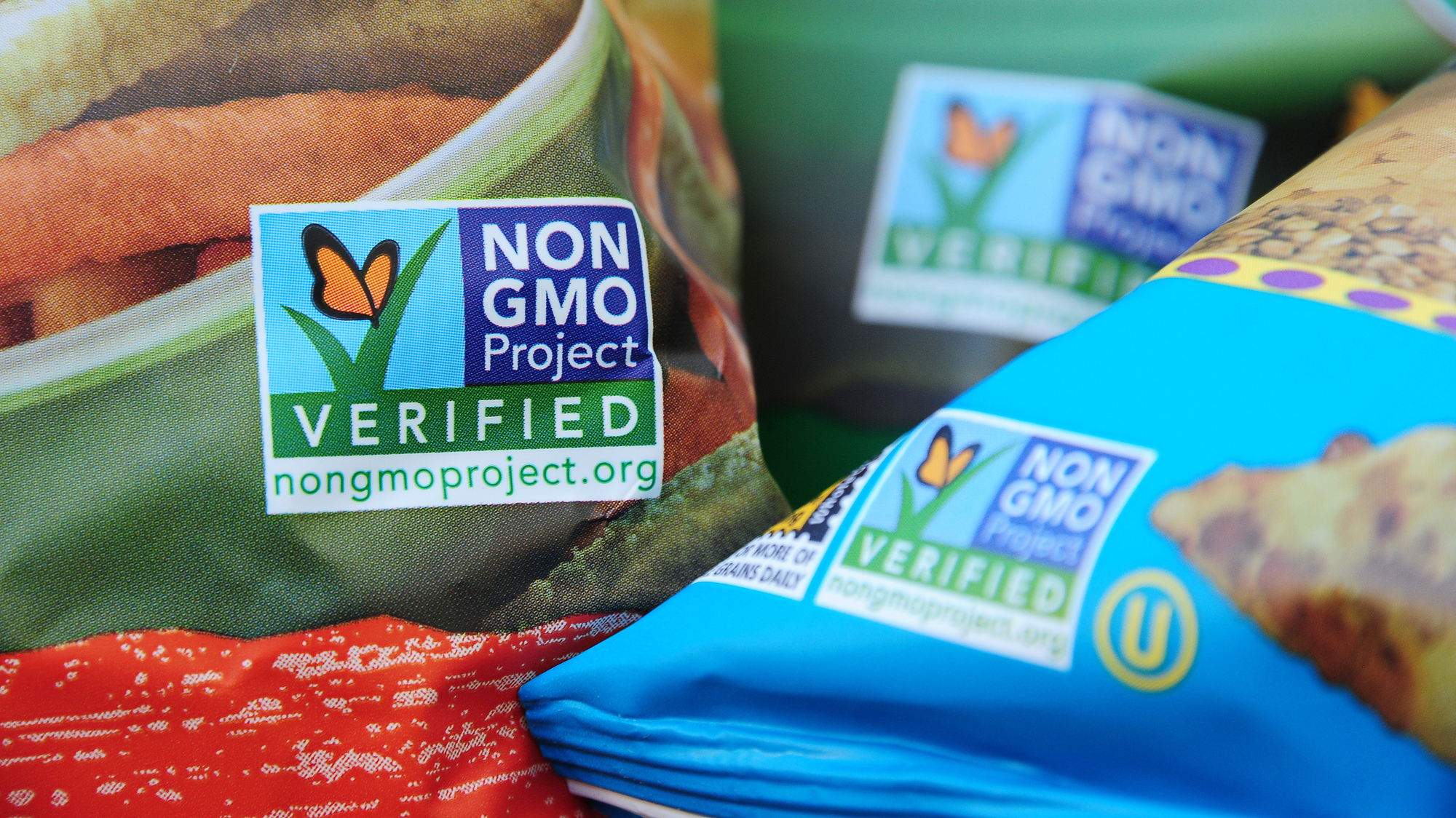
The Impact of Non-GMO Foods on Gut Health
In recent years, there has been a growing concern about the potential health risks associated with consuming genetically modified organisms (GMOs). Many people are now seeking out non-GMO foods as a healthier alternative. One area where the impact of non-GMO foods is particularly significant is gut health.
Our gut is home to trillions of microorganisms, collectively known as the gut microbiota. These microbes play a crucial role in our overall health and well-being, influencing digestion, metabolism, immune function, and even mental health. Research suggests that GMOs may have detrimental effects on the delicate balance of our gut microbiota.
Genetically modified crops are often engineered to be resistant to certain herbicides or pesticides. This means that these crops can be sprayed with large amounts of these chemicals without being harmed. However, studies have shown that exposure to these chemicals can disrupt the diversity and composition of the gut microbiota.
On the other hand, non-GMO foods are grown using traditional farming practices without genetic modification or excessive use of synthetic chemicals. By choosing non-GMO options for your diet, you can support a healthy gut microbiome and promote optimal digestive function.
Non-GMO Alternatives for Processed Snacks
Processed snacks like chips and cookies are often loaded with GMO ingredients such as corn syrup or soybean oil derived from genetically modified soybeans. Fortunately, there are plenty of delicious non-GMO alternatives available in stores today.
For savory snacks, you can opt for popcorn made from organic corn kernels or vegetable chips made from real vegetables like kale or sweet potatoes. Look for products that carry a “Non-GMO Project Verified” seal to ensure their authenticity.
When it comes to satisfying your sweet tooth, choose snacks made with natural sweeteners like honey or maple syrup instead of refined sugars derived from GMO sugar beets. There are also many brands offering cookies and granola bars made with non-GMO ingredients, providing a healthier and tastier option for your snacking needs.
Non-GMO Cooking Oils and Their Benefits
Cooking oils are an essential ingredient in many recipes, but most conventional cooking oils on the market are made from genetically modified crops such as soybeans or canola. Luckily, there is a wide variety of non-GMO cooking oils available that offer numerous health benefits.
Extra virgin olive oil is one of the most popular choices. It is rich in monounsaturated fats and contains antioxidants that have been linked to various health benefits, including reduced risk of heart disease and inflammation.
Coconut oil is another great option. It is high in medium-chain triglycerides (MCTs), which are easily digested and provide a quick source of energy. Coconut oil has also been shown to increase HDL (good) cholesterol levels and support brain function.
Avocado oil is gaining popularity for its mild flavor and high smoke point, making it suitable for various cooking methods, including frying. It contains oleic acid, which has been shown to reduce inflammation and improve heart health.
Other non-GMO cooking oils worth exploring include sesame oil, sunflower oil, grapeseed oil, and almond oil. These alternatives not only provide different flavors but also offer unique nutritional profiles that can enhance your dishes while supporting your overall well-being.
The Role of Non-GMO Foods in Reducing Inflammation
Inflammation plays a crucial role in the body’s immune response; however chronic inflammation has been linked to several chronic diseases such as heart disease, diabetes, obesity, and certain types of cancer. Consuming non-GMO foods may help reduce inflammation due to their natural composition without genetic modifications or excessive use of synthetic chemicals.
Research suggests that GMOs themselves might trigger an inflammatory response within the body. For instance, studies have shown that genetically modified corn can lead to increased intestinal permeability or “leaky gut,” which can contribute to inflammation.
Non-GMO foods, on the other hand, are grown using traditional methods that prioritize soil health and biodiversity. These practices often result in crops with higher levels of essential nutrients and antioxidants, which have anti-inflammatory properties.
Fruits and vegetables are excellent sources of non-GMO options for reducing inflammation. Berries, leafy greens, cruciferous vegetables like broccoli and Brussels sprouts, as well as colorful peppers, are packed with vitamins, minerals, and antioxidants that help combat inflammation.
Nuts and seeds such as walnuts, chia seeds, flaxseeds are also great additions to an anti-inflammatory diet. They contain omega-3 fatty acids which have been shown to reduce inflammation in the body.
By incorporating a variety of non-GMO foods into your diet rich in fruits, vegetables, whole grains nuts/seeds you can support optimal gut health while reducing chronic inflammation throughout your body.
Non-GMO Options for Condiments and Sauces
Condiments and sauces add flavor to our meals but many store-bought varieties contain GMO ingredients such as soybean oil or corn syrup. Fortunately there is a wide range of non-GMO alternatives available that can enhance your dishes without compromising on taste or quality.
One popular option is organic ketchup made from tomatoes grown without genetic modification or synthetic pesticides. Organic mayonnaise is another choice free from genetically modified soybean oil commonly found in conventional brands.
If you enjoy Asian flavors like soy sauce or teriyaki sauce there are now non-GMO versions available made with organic tamari (a gluten-free soy sauce alternative) instead of genetically modified soybeans.
For those who love spicy condiments hot sauces made with organic peppers provide a flavorful kick without any GMO ingredients. Mustard lovers can opt for mustard brands that use only non-genetically modified mustard seeds ensuring they get all the tangy goodness without any unwanted additives.
By choosing non-GMO condiments and sauces, you can enhance the flavor of your meals while supporting a healthier lifestyle.
The Connection Between Non-GMO Foods and Mental Health
While the impact of non-GMO foods on physical health is well-documented, their potential influence on mental health is an emerging area of research. Several studies suggest that consuming genetically modified crops may have negative effects on mental well-being.
GMOs are often engineered to produce insecticides or withstand herbicides. These modifications can result in higher pesticide residues in GMO crops, which could potentially affect brain function. Some studies have linked pesticide exposure to neurodevelopmental disorders and cognitive decline.
Additionally, genetically modified crops may also alter the composition of our gut microbiota. As mentioned earlier, the gut-brain axis plays a crucial role in mental health. Disruptions in gut flora have been associated with conditions like anxiety and depression.
By choosing non-GMO foods, you reduce your exposure to potentially harmful pesticides and support a healthy gut microbiome – both of which are essential for maintaining optimal mental health.
Non-GMO Grains and Their Nutritional Value
Grains are a staple food for many people around the world. However, most conventional grain products come from genetically modified sources such as corn or soybeans. Thankfully there is an array of nutritious non-GMO grains available that can provide essential nutrients while supporting sustainable agriculture practices.
Quinoa is one such example; it’s not only rich in protein but also contains all nine essential amino acids making it a complete protein source perfect for vegetarians and vegans alike. Another popular choice is brown rice known for its fiber content providing sustained energy release throughout the day.
Whole wheat products made from organic wheat berries offer more nutritional value than refined white flour options derived from GMO wheat varieties commonly found in processed foods like bread or pasta sauce mixes.
Ancient grains like amaranth, millet, teff, buckwheat offer unique flavors and textures while providing essential nutrients like iron, magnesium, and B-vitamins.
Adding a variety of non-GMO grains to your diet not only ensures you’re getting a diverse range of nutrients but also supports sustainable farming practices that prioritize soil health and biodiversity.
Exploring Lesser-Known Non-GMO Fruits and Vegetables
When it comes to fruits and vegetables, there is often a focus on popular varieties like apples or tomatoes. However, there are many lesser-known non-GMO options that can add excitement and nutritional diversity to your meals.
Dragon fruit is a vibrant tropical fruit rich in antioxidants, vitamin C, fiber, and beneficial plant compounds. It has a unique appearance with its bright pink or yellow skin dotted with green scales.
Jicama is another interesting choice; it’s a root vegetable native to Mexico that resembles a turnip. Jicama is low in calories but high in fiber, vitamin C, potassium, and prebiotic fibers that support gut health.
Papaya is known for its digestive enzymes called papain which aids digestion. It’s also packed with vitamins A and C as well as antioxidants that promote overall health.
Kohlrabi belongs to the cabbage family and has a taste similar to broccoli stems. It’s an excellent source of fiber, vitamins C and B6 as well as minerals like potassium.
By exploring these lesser-known non-GMO fruits and vegetables at your local grocery store or farmer’s market you can discover new flavors while reaping the nutritional benefits they offer.
Non-GMO Sweeteners: Natural Alternatives to Refined Sugar
Refined sugar derived from GMO sugar beets has become ubiquitous in processed foods today. Excessive consumption of refined sugars contributes to various health issues such as obesity, diabetes, heart disease among others. Replacing refined sugar with natural non-GMO sweeteners can help satisfy your sweet tooth without compromising on flavor or nutrition.
One popular alternative is raw honey which is rich in antioxidants and has antimicrobial properties. It’s important to note that not all honey is non-GMO, so look for organic or Non-GMO Project Verified options.
Maple syrup is another great choice; it contains minerals like calcium, potassium, and zinc as well as antioxidants. Make sure to choose 100% pure maple syrup without any additives or artificial flavors.
Stevia is a natural sweetener derived from the leaves of the Stevia rebaudiana plant. It provides sweetness without adding calories making it an ideal alternative for those watching their sugar intake.
Coconut sugar made from the sap of coconut blossoms offers a low glycemic index meaning it won’t cause blood sugar spikes compared to refined sugars. It contains small amounts of vitamins and minerals such as iron, zinc, and potassium.
By incorporating these non-GMO sweeteners into your diet you can satisfy your cravings while reducing your consumption of refined sugars and supporting a healthier lifestyle.
The Environmental Benefits of Choosing Non-GMO Products
In addition to their potential health benefits, choosing non-GMO products also has significant environmental advantages. Here are some key reasons why opting for non-GMO options can contribute to a more sustainable future:
1. Biodiversity preservation: GMO crops often require extensive use of herbicides or pesticides that can harm beneficial insects like bees and butterflies crucial for pollination. By choosing non-GMO foods, you support farming practices that promote biodiversity by minimizing chemical inputs.
2. Soil health: GMO crops are typically grown using intensive agricultural practices that deplete soil nutrients over time. In contrast, non-GMO farming methods prioritize soil health through techniques like crop rotation and cover cropping, promoting long-term sustainability.
3. Reduced pesticide exposure: Genetically modified crops are engineered to resist certain pests or diseases, allowing farmers to spray large amounts of pesticides on their fields without harming the crops directly. This results in increased pesticide residues in the environment and potential health risks for both humans and wildlife. By choosing non-GMO foods, you support a more sustainable approach to agriculture that minimizes pesticide use.
4. Preservation of seed diversity: GMO crops are often patented by biotech companies, which can restrict farmers’ access to seeds and limit seed diversity. Non-GMO farming practices encourage the preservation of heirloom and traditional seed varieties, ensuring genetic diversity in our food supply.
By making conscious choices to support non-GMO products, we not only prioritize our own health but also contribute to a healthier planet for future generations.
Non-GMO Protein Sources for Vegetarians and Vegans
Protein is an essential macronutrient necessary for building and repairing tissues, supporting immune function, and regulating various bodily functions. While animal products are commonly associated with protein consumption, there are plenty of non-GMO plant-based options available for vegetarians and vegans.
Legumes such as lentils, chickpeas, black beans, or edamame are excellent sources of plant-based protein. They also provide dietary fiber that supports healthy digestion.
Quinoa is considered a complete protein source as it contains all nine essential amino acids required by the body. It’s a versatile grain-like seed that can be used as a base or added to salads or soups.
Nuts and seeds like almonds, walnuts, chia seeds, hemp seeds offer not only protein but also healthy fats which promote satiety while providing essential nutrients such as omega-3 fatty acids.
Soy products like tofu or tempeh provide high-quality plant-based protein without genetically modified soybeans. Look for organic or Non-GMO Project Verified options when purchasing soy-based products.
Other non-GMO alternatives include seitan (wheat gluten), spirulina (a blue-green algae), nutritional yeast (rich in B-vitamins), and pea protein powder – perfect additions to smoothies or baked goods.
By incorporating a variety of non-GMO protein sources into your diet, you can meet your nutritional needs while supporting sustainable and ethical food choices.
The Importance of Non-GMO Dairy Products in a Healthy Diet
Dairy products are a significant source of essential nutrients such as calcium, vitamin D, and high-quality proteins. However, conventional dairy often comes from cows that have been fed genetically modified crops like corn or soybeans. Choosing non-GMO dairy products ensures that you’re getting the full nutritional benefits without worrying about potential health risks associated with GMOs.
When it comes to milk, organic options ensure that cows are not exposed to genetically modified feed or synthetic hormones. Organic milk also tends to have higher levels of omega-3 fatty acids due to the cows’ pasture-based diets.
Cheese lovers can look for brands that use organic milk sourced from grass-fed cows. Grass-fed cow’s milk is rich in conjugated linoleic acid (CLA), which has been shown to have various health benefits including reduced body fat and improved heart health.
Yogurt made from organic milk offers probiotics that support gut health along with essential vitamins and minerals. Greek yogurt is an excellent choice as it provides more protein compared to regular yogurt varieties.
For those who prefer plant-based alternatives, there are now non-GMO options available made from almonds, oats, coconut or soybeans providing similar nutrients found in traditional dairy products without any genetic modifications.
Non-GMO Herbs and Spices: Enhancing Flavor Without Additives
Herbs and spices play a crucial role in enhancing flavors while adding depth and complexity to our meals. Unfortunately, many conventional seasoning blends may contain additives or fillers derived from genetically modified sources. Opting for non-GMO herbs and spices allows you to enjoy their natural goodness without unwanted additives.
Basil adds freshness when paired with tomatoes or used in pesto sauce. It’s also rich in antioxidants like beta-carotene and vitamin C.
Turmeric has gained popularity for its anti-inflammatory properties attributed to the compound curcumin. It provides a vibrant yellow color and adds warmth to various dishes like curries or roasted vegetables.
Cinnamon is not only aromatic but also offers potential health benefits such as improved blood sugar control and reduced inflammation. Sprinkle it on oatmeal, yogurt, or use it in baking for a delightful flavor profile.
Oregano is commonly used in Mediterranean cuisine; it possesses antibacterial properties and is rich in antioxidants which help combat oxidative stress within the body.
Parsley is more than just a garnish; it’s loaded with vitamins A, C, K as well as iron and can be added to salads, soups, or used to make pesto sauce alongside basil.
By choosing non-GMO herbs and spices you ensure that you’re adding pure flavors to your meals without any unwanted additives while supporting sustainable farming practices.
Unpopular Facts About Genetically Modified Organisms (GMOs)
Genetically modified organisms (GMOs) have been the subject of much controversy and debate. While there are varying opinions on their safety for human consumption, here are some lesser-known facts about GMOs:
1. Lack of long-term studies: The long-term effects of consuming GMOs are still largely unknown due to limited research. Many existing studies have focused on short-term effects rather than evaluating potential risks over extended periods.
2. Potential allergenicity: Genetic modification may introduce new proteins into crops that could trigger allergic reactions in susceptible individuals. This possibility has raised concerns among those with known food allergies or sensitivities.
3. Environmental impact: GMO crops engineered to resist pests or tolerate herbicides often result in increased chemical usage on farms. This can lead to negative impacts on soil health, water quality, biodiversity loss, and harm beneficial insects like bees necessary for pollination.
4. Cross-contamination: GMO crops can cross-pollinate with non-GMO or organic crops, leading to unintentional contamination. This poses challenges for farmers and consumers who wish to avoid GMOs entirely.
5. Patent control: Biotech companies often patent genetically modified seeds, giving them control over the production and distribution of these crops. This can limit farmers’ access to traditional seed varieties and hinder agricultural practices that prioritize biodiversity.
6. Socioeconomic concerns: The adoption of GMO crops has been associated with increased dependence on large agribusiness corporations. Small-scale farmers may face economic disadvantages due to the high cost of patented seeds and associated technologies.
While more research is needed to fully understand the potential risks and benefits of GMOs, choosing non-GMO options provides a way for individuals to exercise caution when it comes to their food choices.
Non-GMO Options for Gluten-Free Diets
Gluten-free diets have gained popularity in recent years due to an increasing number of people being diagnosed with celiac disease or gluten sensitivity. While many gluten-free products contain non-genetically modified ingredients by default, it’s still essential to choose certified non-GMO options whenever possible.
Rice flour is a common ingredient used in gluten-free baking; it’s made from grinding rice grains into a fine powder. Look for brands that offer organic or Non-GMO Project Verified rice flour options.
Quinoa flour is another versatile option; this nutrient-dense grain-like seed offers a complete protein profile while providing a delicate nutty flavor perfect for baking bread or making pancakes/waffles.
Nut flours

Leave a Reply