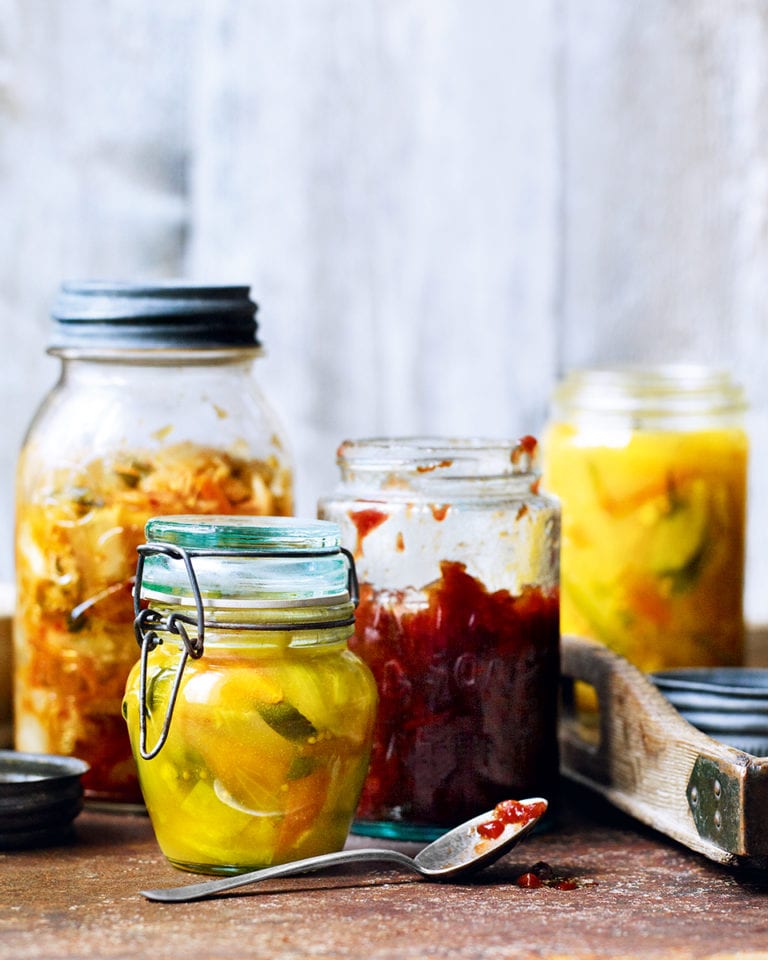
Fermentation and pickling are age-old techniques that have been used for centuries to preserve produce. Not only do these methods help extend the shelf life of fruits and vegetables, but they also enhance their flavors and provide numerous health benefits. In this article, we will delve into the world of fermentation and pickling, exploring different techniques and their advantages.
What is Fermentation?
Fermentation is a natural process in which microorganisms, such as bacteria or yeast, convert sugars into alcohol or organic acids. This transformation not only preserves food but also creates unique flavors and textures. Some commonly fermented foods include sauerkraut, kimchi, yogurt, kefir, kombucha, and sourdough bread.
To initiate fermentation at home, you need three main components: fresh produce (such as cabbage for sauerkraut or cucumbers for pickles), salt (preferably non-iodized), and time. The process involves creating an environment conducive to the growth of beneficial bacteria while inhibiting the growth of harmful ones.
The first step in fermentation is preparing the produce by washing it thoroughly and removing any damaged parts. For vegetables like cabbage or cucumbers, cutting them into smaller pieces or slices can help speed up the fermentation process by increasing surface area.
Next comes brining – a crucial step in which salt is added to draw out moisture from the produce. This creates an environment where beneficial bacteria can thrive while inhibiting spoilage-causing organisms. It’s important to use non-iodized salt since iodine can hinder microbial growth.
Once brined adequately (usually 1-2% of total weight), the vegetables are packed tightly into containers like jars or crocks while ensuring they remain submerged in their own juices. This prevents exposure to oxygen that may encourage undesirable bacterial growth.
The length of fermentation varies depending on personal preference; some prefer shorter fermentations with a crunchier texture while others prefer longer ones for a more tangy and complex flavor profile. Generally, fermenting vegetables can take anywhere from a few days to several weeks. It’s crucial to taste-test the produce regularly to determine when it reaches your desired level of fermentation.
Benefits of Fermentation
Fermented foods offer various health benefits due to the presence of probiotics – live bacteria that promote gut health. These probiotics aid digestion, enhance nutrient absorption, and support immune function. Additionally, fermented foods are rich in vitamins (particularly vitamin C), minerals, and enzymes that contribute to overall well-being.
Moreover, fermentation breaks down complex carbohydrates into simpler forms, making them easier for our bodies to digest. This process also produces beneficial compounds like short-chain fatty acids that provide energy for intestinal cells and have anti-inflammatory properties.
What is Pickling?
While fermentation relies on natural microbial activity, pickling involves preserving food by immersing it in an acidic solution such as vinegar or lemon juice. The acidity inhibits the growth of harmful bacteria while imparting a distinct tartness to the food being preserved.
Pickling can be done using two methods: refrigerator pickles or canned pickles. Refrigerator pickles involve quick brining in a vinegar-based solution followed by refrigeration for immediate consumption within a few weeks. On the other hand, canned pickles require heat processing after packing them into jars with hot brine; this extends their shelf life up to one year when stored properly.
Benefits of Pickling
Aside from preservation purposes, pickled foods offer several advantages. Firstly, they can add variety and zestful flavors to meals while providing an excellent way to enjoy seasonal produce throughout the year. Secondly, similar to fermented foods, pickled items contain beneficial bacteria that promote good gut health.
Furthermore, consuming vinegar-based products may help regulate blood sugar levels by slowing down carbohydrate absorption in the digestive system. Some studies suggest that these types of foods could improve insulin sensitivity and reduce the risk of type 2 diabetes.
Conclusion
Fermentation and pickling are not only practical ways to preserve fresh produce but also provide a myriad of health benefits. Whether you prefer the tangy flavors of sauerkraut or the crispness of pickled cucumbers, experimenting with these techniques can elevate your meals while boosting your gut health.
Remember that fermentation and pickling require patience and experimentation to achieve desired results. As you embark on this journey, embrace the opportunity to customize flavors, explore new recipes, and nourish your body with these traditional preservation methods.

Leave a Reply