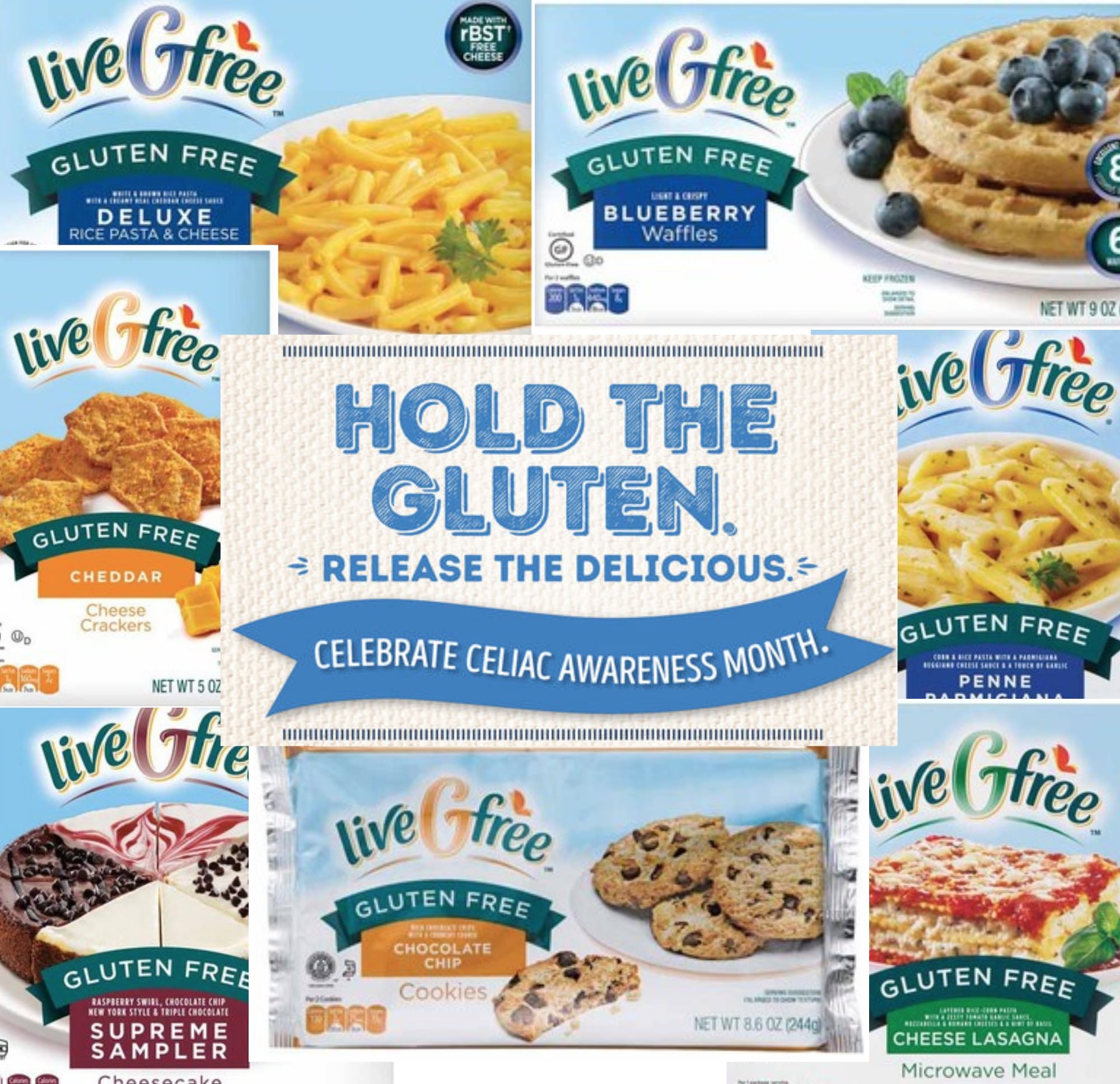
Gluten-Free Products in North America: A Comprehensive Guide
Introduction:
The demand for gluten-free products has been on the rise in recent years, with North America being no exception. Whether due to celiac disease, gluten intolerance, or personal dietary choices, many individuals are seeking out gluten-free alternatives. In response to this growing market, there has been an influx of gluten-free products available across the continent. This article aims to provide a comprehensive guide to navigating these options and making informed choices.
1. Gluten-Free Grains:
There is a wide range of naturally gluten-free grains that can be incorporated into a gluten-free diet. These include rice (in various forms such as brown, white, and wild rice), quinoa, cornmeal, buckwheat, millet, and amaranth. These grains serve as excellent substitutes for traditional wheat-based products.
2. Gluten-Free Flours:
For those who enjoy baking or cooking at home, it’s essential to have access to suitable flours that don’t contain gluten. Some popular options include almond flour (made from ground almonds), coconut flour (made from dried coconut meat), tapioca flour (derived from cassava root), and sorghum flour (a versatile grain).
3. Packaged Gluten-Free Foods:
In addition to individual ingredients like grains and flours, there is also a vast array of packaged foods available for those following a gluten-free lifestyle. From bread and pasta alternatives made with rice or legume flours to snacks like crackers and chips made from alternative grains or vegetables – the options are seemingly endless.
4. Certified Gluten-Free Labels:
Navigating food labels can be overwhelming when trying to avoid hidden sources of gluten-containing ingredients like barley malt or wheat starch derivatives. To ease this process, look for certified gluten-free labels provided by reputable organizations such as the Gluten Intolerance Group’s Gluten-Free Certification Organization (GFCO) or the Canadian Celiac Association’s Gluten-Free Certification Program (GFCP). These certifications ensure that the product complies with strict gluten-free standards.
5. Cross-Contamination Concerns:
Individuals with celiac disease or severe gluten intolerance must be aware of potential cross-contamination risks. Even if a product is labeled as gluten-free, it may still be processed in facilities that also handle wheat-based products. To minimize the risk, look for products with dedicated gluten-free manufacturing facilities or those labeled “certified gluten-free” to ensure rigorous testing and safety protocols are followed.
Conclusion:
As the demand for gluten-free products continues to grow in North America, there has been an expansion of options available to consumers. From naturally gluten-free grains and flours to a wide range of packaged foods, individuals can enjoy a diverse and satisfying diet without sacrificing taste or nutrition. By understanding labels, seeking out certified gluten-free products, and considering cross-contamination risks, individuals can confidently navigate the world of gluten-free eating while maintaining their health and well-being.

Leave a Reply