Wheatgrass: The Green Superfood Packed with Chlorophyll
In the world of healthy eating and nutrition, there is a wide variety of superfoods that promise incredible health benefits. One such superfood that has gained significant popularity in recent years is wheatgrass. This humble green plant has been praised for its high nutritional content, particularly its abundance of chlorophyll.
Chlorophyll is the pigment responsible for giving plants their green color. It plays a vital role in photosynthesis, the process by which plants convert sunlight into energy. But beyond its role in plant metabolism, chlorophyll offers numerous health benefits when consumed by humans.
One of the key reasons why wheatgrass stands out as an excellent source of chlorophyll is its remarkable nutrient density. Wheatgrass contains essential vitamins and minerals like vitamin A, C, E, K, iron, magnesium, calcium, and amino acids. Additionally, it provides a rich source of antioxidants and enzymes that help protect our bodies against cellular damage caused by free radicals.
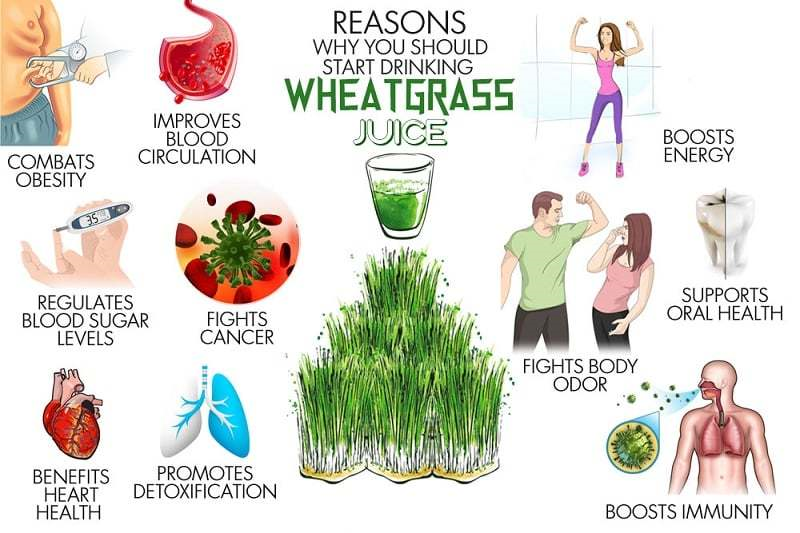
The consumption of wheatgrass can improve digestion due to its high fiber content. Fiber acts as a natural laxative and aids in maintaining regular bowel movements while also promoting gut health. Moreover, wheatgrass possesses detoxifying properties that assist in eliminating harmful toxins from our system.
Another significant benefit associated with consuming wheatgrass is its potential ability to boost immunity. The presence of various vitamins and minerals helps strengthen our immune system’s response to infections and diseases. Furthermore, wheatgrass stimulates the production of red blood cells which are responsible for carrying oxygen throughout the body—this increased oxygenation supports overall immune function.
Perhaps one of the most intriguing aspects regarding wheatgrass is its potential anti-cancer properties attributed to chlorophyll consumption. Studies have shown that chlorophyll can inhibit cancer cell growth and act as a protective agent against certain types of cancers such as colon cancer due to its antioxidant effects.
Apart from these specific health benefits, wheatgrass can also contribute to weight management and skin health. Its high fiber content promotes satiety, reducing cravings and excessive eating. Additionally, the antioxidants in wheatgrass help combat oxidative stress within the body, leading to healthier-looking skin.
Now that we understand the numerous health benefits associated with wheatgrass consumption let’s explore how it can be incorporated into our daily routine.
Wheatgrass is available in various forms such as fresh juice, powdered supplements, or even frozen cubes. When opting for fresh juice or powdered supplements, it’s essential to ensure that they are obtained from organic sources to avoid any potential contamination by pesticides or other harmful substances.
One of the most popular ways of consuming wheatgrass is through juicing. Freshly squeezed wheatgrass juice provides a concentrated dose of nutrients and chlorophyll. It’s recommended to start with a small amount (around one ounce) per day and gradually increase the intake over time. Wheatgrass shots are readily available at many health food stores and juice bars for those who prefer convenience.
For individuals who find it challenging to incorporate fresh wheatgrass into their diet regularly, powdered supplements offer an excellent alternative. These can be mixed with water or added to smoothies or juices for a quick boost of nutrition on-the-go.
Growing your own wheatgrass at home is another option worth considering if you have access to good quality seeds and ample sunlight. By doing so, you have full control over its cultivation process without having to worry about potential contaminants often found in commercially produced options.
When using fresh wheatgrass leaves, it’s important always to wash them thoroughly before consumption—especially if you plan on adding them directly into salads or smoothies. This precaution helps eliminate any dirt or bacteria that may be present on the surface.
In conclusion, incorporating wheatgrass into your daily routine can offer numerous health benefits due to its rich chlorophyll content. From boosting immunity to aiding digestion and potentially fighting cancer, this green superfood has much to offer. Whether consumed as fresh juice or in powdered form, wheatgrass is a versatile addition to any healthy eating regimen. So go ahead and give this vibrant green plant a try – your body will thank you for it!

Leave a Reply