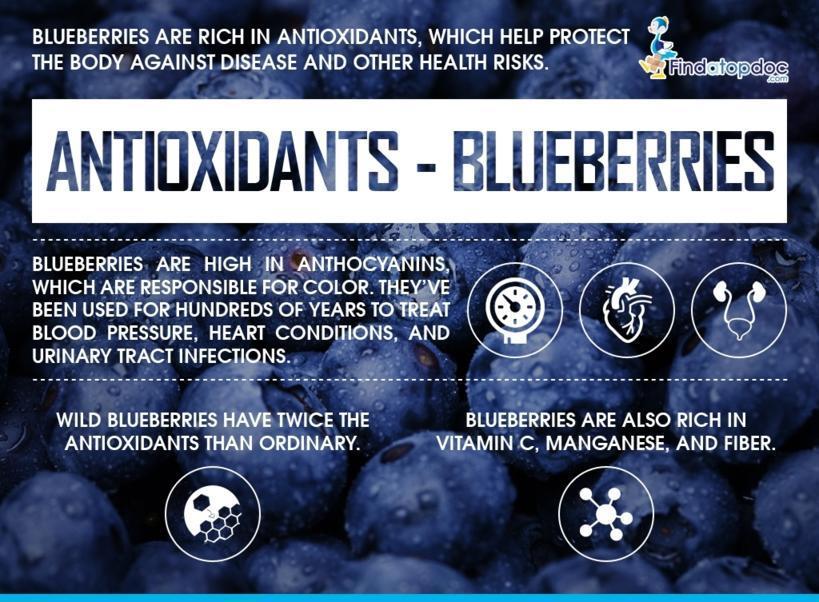
Blueberries are small, round fruits that have gained popularity for their sweet taste and numerous health benefits. Packed with essential nutrients, blueberries are often referred to as a superfood due to their high antioxidant content. Here are some frequently asked questions about blueberries:
Q: What makes blueberries so healthy?
A: Blueberries are rich in vitamins C and K, manganese, and fiber. They also contain antioxidants called anthocyanins, which give them their vibrant color and contribute to their health benefits. These antioxidants may help reduce inflammation, protect against chronic diseases like heart disease and cancer, improve brain function, and promote healthy aging.
Q: How can I incorporate blueberries into my diet?
A: Blueberries can be enjoyed in various ways. You can eat them fresh as a snack or add them to your breakfast cereal or yogurt. They also make a great addition to smoothies or salads. Frozen blueberries retain most of their nutritional value and can be used in baking or blended into homemade ice cream.
Q: Are there any specific health conditions that may benefit from consuming blueberries?
A: The antioxidants present in blueberries have been linked to improved heart health by reducing the risk of cardiovascular diseases such as high blood pressure and bad cholesterol levels. Additionally, the phytochemicals found in blueberries may enhance memory function and slow down age-related cognitive decline.
Q: Can eating too many blueberries be harmful?
A: While it is generally safe to consume moderate amounts of blueberries, excessive intake could lead to potential side effects such as stomach discomfort or diarrhea due to its high fiber content. It’s important to maintain a balanced diet that includes a variety of foods rather than relying solely on one type.
Q: Are organic blueberries better than conventionally grown ones?
A: Both organic and conventionally grown blueberries offer similar nutritional benefits; however, organic berries are grown without synthetic pesticides or fertilizers. If you prefer to reduce your exposure to pesticides, opting for organic blueberries might be a better choice.
Q: Can blueberries help with weight loss?
A: Blueberries are relatively low in calories and high in fiber, making them a great addition to a weight loss diet. The fiber content helps promote feelings of fullness and can aid in reducing overall calorie intake.
Incorporating blueberries into your diet is an excellent way to boost your health while enjoying their delicious flavor. Whether eaten fresh or incorporated into various recipes, these little berries provide an array of essential nutrients that contribute to overall well-being. So go ahead and indulge in the goodness of blueberries!

Leave a Reply