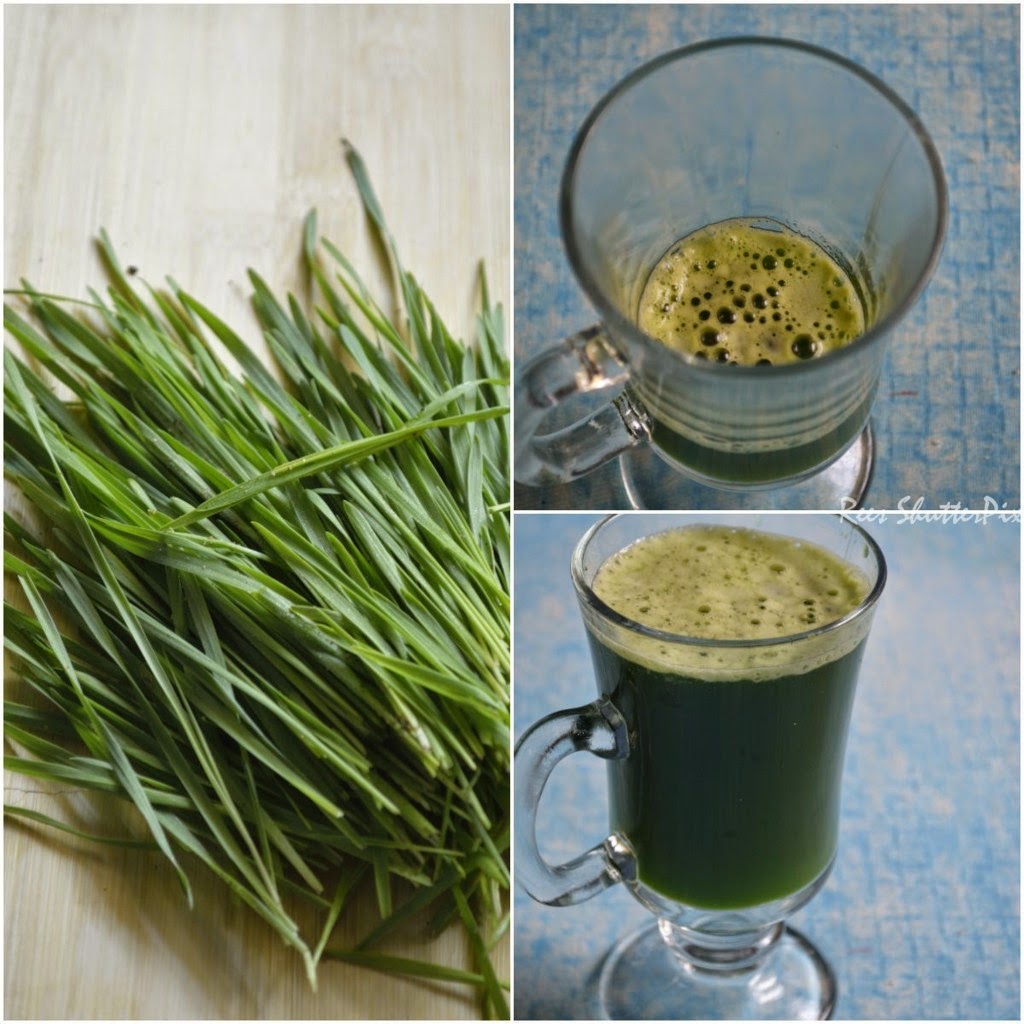
Wheatgrass for Detoxification: A Case Study
Introduction:
Detoxification has gained significant popularity in recent years as people have become more conscious of their health and wellness. With the increasing exposure to environmental toxins, processed foods, and unhealthy lifestyles, our bodies often need help in eliminating harmful substances and restoring balance. In this case study, we will explore the potential benefits of wheatgrass for detoxification purposes.
Understanding Wheatgrass:
Wheatgrass refers to the young grasses of the common wheat plant (Triticum aestivum). It is typically consumed as a juice or powder and is known for its high nutritional content. Packed with vitamins, minerals, amino acids, enzymes, chlorophyll, and antioxidants like flavonoids and phenolic compounds, wheatgrass is considered a superfood with potential detoxifying properties.
Case Study Background:
Meet Sarah—a 32-year-old woman who recently decided to embark on a detoxification journey after feeling sluggish and experiencing frequent headaches. Sarah’s goal was not only to cleanse her body but also to improve her overall well-being. After researching various natural remedies for detoxification, she stumbled upon wheatgrass.
Sarah’s Experimentation with Wheatgrass Juice:
To thoroughly explore the effects of wheatgrass on her body during the detox process, Sarah incorporated fresh wheatgrass juice into her daily routine for two weeks. Each morning before breakfast on an empty stomach, she consumed one ounce (30 ml) of freshly squeezed organic wheatgrass juice.
Week 1: Initial Observations
During the first week of consuming wheatgrass juice daily, Sarah noticed an increase in energy levels within a few days. She felt more alert throughout the day without relying heavily on caffeine or sugary drinks. Moreover, she experienced improved digestion with less bloating.
Although Sarah did not notice any significant changes in her skin complexion during this initial phase as some proponents claim could occur due to increased chlorophyll intake from wheatgrass, her overall sense of well-being was enhanced.
Week 2: Continued Observations
As Sarah entered the second week of her experiment, she observed a few additional changes. Her frequent headaches decreased in intensity and frequency. She also noticed improved bowel movements, feeling less constipated compared to before starting with wheatgrass juice.
Furthermore, Sarah found that incorporating wheatgrass into her detox routine helped curb her cravings for unhealthy foods. By replacing processed snacks with nutrient-dense wheatgrass juice, she managed to maintain a healthier diet throughout the day.
Detoxification Effects:
To understand how wheatgrass contributes to the detoxification process, it is essential to examine its key components and their potential benefits:
1. Chlorophyll:
Wheatgrass is rich in chlorophyll—a pigment responsible for its vibrant green color. Chlorophyll has been shown to aid in eliminating toxins from the body by binding to heavy metals and promoting liver detoxification processes.
2. Antioxidants:
The high concentration of antioxidants in wheatgrass helps combat oxidative stress caused by toxins in our environment or from poor dietary choices. Antioxidants protect cells from damage and support optimal functioning.
3. Enzymes:
Wheatgrass contains various enzymes that may assist in breaking down toxins and improving digestion. Some studies suggest that these enzymes can help cleanse the colon and eliminate waste more efficiently.
Conclusion:
Sarah’s case study provides an insightful perspective on using wheatgrass as part of a detoxification regimen. While scientific evidence supporting specific claims related to detoxification remains limited, Sarah’s personal experience suggests several potential benefits worth exploring further.
It is important to note that individual experiences may vary when it comes to natural remedies like wheatgrass for detoxification purposes. Consulting with healthcare professionals or registered dietitians before embarking on any significant dietary changes or undertaking a detox program is highly recommended.
Incorporating fresh wheatgrass juice into one’s daily routine could potentially support the detoxification process by providing essential nutrients, antioxidants, and enzymes. However, it should not be considered a standalone solution for all health concerns. A holistic approach to detoxification that includes a well-balanced diet, regular exercise, stress management techniques, and adequate hydration is crucial for optimal results.
In conclusion, wheatgrass has shown promise as an aid in detoxification based on Sarah’s case study. Experimenting with this superfood may prove beneficial for individuals seeking natural ways to cleanse their bodies and improve overall well-being.

Leave a Reply