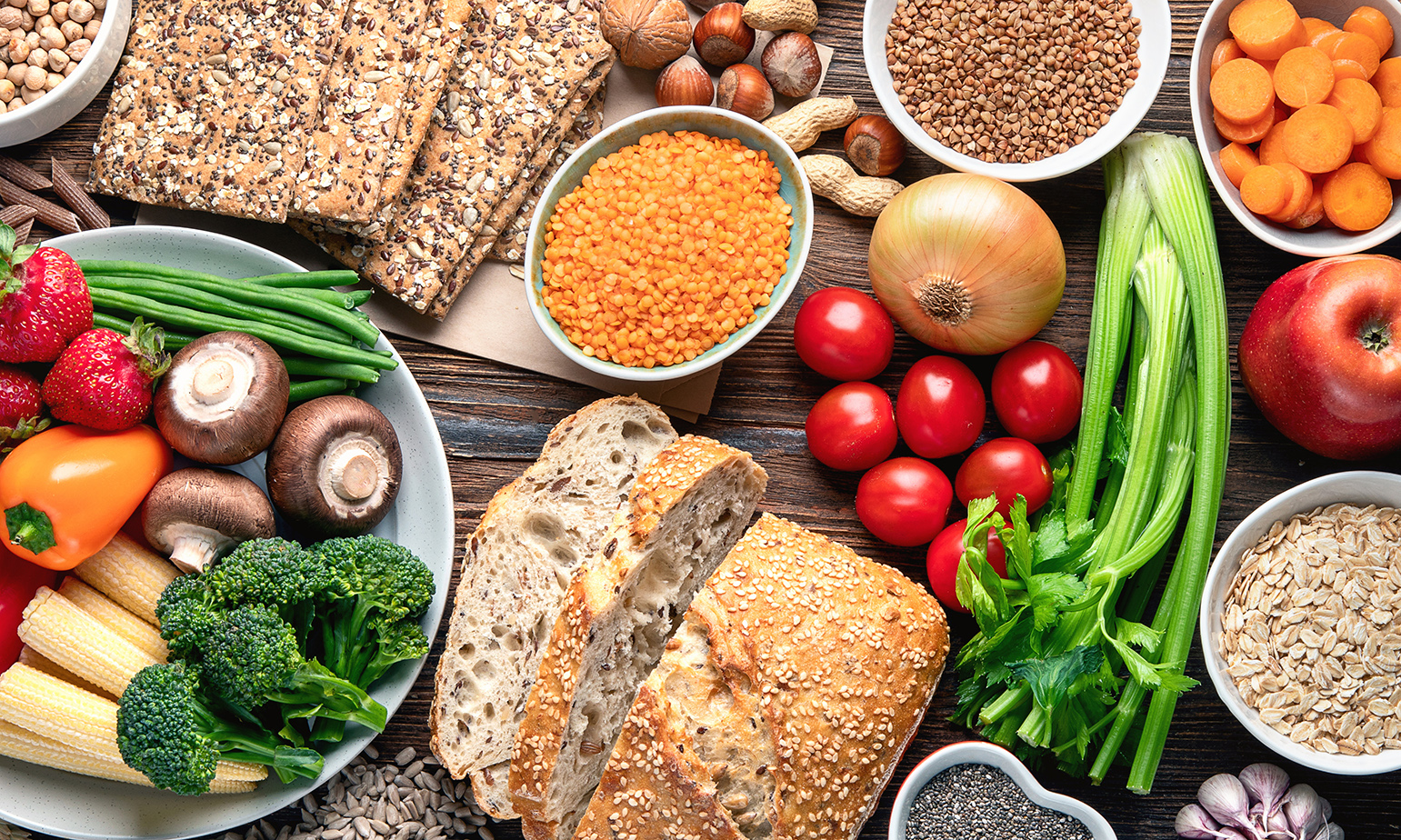
High-fiber snacks for on-the-go:
Maintaining a healthy diet can be challenging, especially when you have a busy lifestyle. However, it’s crucial to fuel your body with the right nutrients, including fiber. Fiber aids in digestion, promotes gut health, and helps manage weight. If you’re always on the go and need quick and convenient high-fiber snack options, we’ve got you covered.
1. Nuts:
Nuts are not only a great source of healthy fats but also contain a good amount of fiber. Almonds, pistachios, and walnuts are particularly high in fiber content. Keep small portions of mixed nuts in resealable bags or containers for an easy grab-and-go snack that will keep you feeling satisfied.
2. Trail mix:
Trail mix is another fantastic high-fiber option that combines nuts with dried fruits like raisins or cranberries. You can even add some dark chocolate chips for an extra treat! Make your own trail mix at home to control the ingredients and ensure it remains a healthy snack choice.
3. Roasted chickpeas:
Chickpeas are packed with fiber and protein making them an excellent choice for snacking. Rinse canned chickpeas thoroughly before drying them completely with paper towels. Toss them in olive oil and seasonings such as paprika or cumin before roasting them until crispy in the oven at 400°F (200°C). Store these crunchy treats in portable containers for a satisfying snack anytime.
4. Popcorn:
Believe it or not, popcorn is actually a whole grain that contains fiber! Air-popped popcorn is low in calories and provides a good amount of dietary fiber per serving. Skip the buttery microwave versions and opt for plain air-popped popcorn instead.
5.Vegetables with hummus:
Vegetables like carrots sticks, cucumber slices, bell pepper strips make nutritious high-fiber snacks when paired with a serving of hummus. Hummus is made from fiber-rich chickpeas and adds flavor and creaminess to your snack.
Fiber-rich smoothie recipes:
Smoothies are an ideal way to pack in nutrients, including fiber, into a delicious and refreshing drink. Here are two tasty smoothie recipes that will boost your daily fiber intake:
1. Berry Blast Smoothie:
– 1 cup mixed berries (strawberries, blueberries, raspberries)
– 1 ripe banana
– 1 cup spinach or kale leaves
– 1 tablespoon chia seeds
– ½ cup almond milk (or any preferred milk)
Blend all the ingredients until smooth. This vibrant smoothie is not only rich in antioxidants but also contains a good amount of dietary fiber from the berries and greens.
2. Green Power Smoothie:
– 1 ripe avocado
– 1 cup fresh spinach leaves
– ½ cucumber
– Juice of one lemon
– Handful of fresh mint leaves
– ½ cup coconut water or plain water for blending consistency.
Combine all the ingredients in a blender and blend until creamy. Avocado provides healthy fats along with fiber while spinach adds extra nutritional value.
Remember, you can always adjust these recipes by adding more liquid or adjusting the sweetness to suit your taste preferences!
Lesser-known sources of fiber:
When it comes to increasing your daily fiber intake, most people think about fruits, vegetables, legumes, and whole grains as primary sources. However, there are other lesser-known foods that can provide ample amounts of dietary fiber as well:
1. Chia seeds:
Chia seeds may be small but they pack a powerful punch when it comes to nutrition. Just one ounce (28 grams) contains nearly 10 grams of dietary fiber! These tiny seeds absorb liquid easily and can be added to yogurt, oatmeal or used as an egg substitute in baking recipes.
2. Flaxseeds:
Similar to chia seeds, flaxseeds are high in fiber and can be easily incorporated into your diet. They can be ground and added to smoothies, oatmeal, or used as an egg substitute in baking recipes.
3. Coconut flour:
Coconut flour is a gluten-free alternative that’s rich in fiber. It can be used for baking bread, muffins, and pancakes while providing a good dose of dietary fiber.
4. Quinoa:
Quinoa is not only a good source of protein but also contains a significant amount of dietary fiber compared to other grains. It can be enjoyed as a side dish or used as the base for salads or stir-fries.
5. Oat bran:
Oat bran is the outer layer of the oat grain and is particularly high in soluble fiber which helps regulate blood sugar levels and lowers cholesterol levels. It can be cooked like oatmeal or incorporated into baked goods such as muffins or bread.
The Role of Fiber in Gut Health:
When it comes to maintaining gut health, fiber plays a crucial role by promoting regular bowel movements and supporting the growth of beneficial bacteria in the gut microbiome. Here’s how fiber improves gut health:
1. Promotes regular bowel movements:
Dietary fiber adds bulk to stool, making it easier to pass through the digestive system efficiently. This prevents constipation and reduces the risk of developing conditions like hemorrhoids.
2.Supports beneficial gut bacteria:
Fiber acts as food for our gut bacteria, specifically those that thrive on fermentable fibers known as prebiotics. These beneficial bacteria produce short-chain fatty acids (SCFAs), which help nourish colon cells and maintain intestinal barrier function.
3.Prevents gastrointestinal disorders:
A lack of dietary fiber may lead to various gastrointestinal disorders including diverticulosis (the formation of small pouches within the colon) and irritable bowel syndrome (IBS). By consuming enough fiber, these conditions can be prevented or managed effectively.
4. Reduces the risk of colorectal cancer:
Numerous studies have shown that a high-fiber diet can significantly reduce the risk of developing colorectal cancer. Fiber helps keep the colon clean and healthy by moving waste through more efficiently while reducing inflammation in the gut.
Increasing fiber intake is essential for maintaining a healthy gut and digestive system. It’s recommended to gradually increase your fiber intake over time to allow your body to adjust comfortably.
Fiber and weight management:
If you’re looking to maintain or lose weight, incorporating high-fiber foods into your diet is highly beneficial. Here’s how fiber aids in weight management:
1. Increased satiety:
Fiber-rich foods take longer to digest, helping you feel fuller for longer periods of time. This reduces overall calorie consumption throughout the day, making it easier to manage portion sizes and control cravings.
2.Reduced energy density:
Many high-fiber foods are naturally low in calories but high in volume due to their water content or bulkiness. These types of foods provide fewer calories per serving compared to processed snacks or sugary treats.
3.Stabilized blood sugar levels:
Foods rich in soluble fibers slow down digestion and help regulate blood sugar levels by slowing down glucose absorption from carbohydrates. This prevents spikes in insulin production which can lead to fat storage.
4.Promotes healthy digestion:
A well-functioning digestive system is crucial for efficient nutrient absorption and waste elimination. Fiber adds bulk to stool, preventing constipation and promoting regular bowel movements which contribute to overall health.
It’s important not only to focus on increasing dietary fiber but also maintaining a balanced diet with other essential nutrients such as proteins, fats, vitamins, and minerals for optimal weight management.
Fiber supplements: pros and cons:
While it’s always best to obtain nutrients from whole food sources whenever possible, there may be instances where taking a fiber supplement is necessary. Here are the pros and cons of fiber supplements:
Pros:
1. Convenience: Fiber supplements can be easily incorporated into your daily routine, making it convenient for those who struggle to consume enough dietary fiber through food alone.
2. Improved digestion: For individuals with chronic constipation or other digestive disorders, fiber supplements can help regulate bowel movements and promote healthy digestion.
3. Lowered cholesterol levels: Certain types of soluble fiber found in supplements such as psyllium husk have been shown to effectively reduce LDL (bad) cholesterol levels when taken regularly.
4. Blood sugar control: Soluble fibers also aid in regulating blood sugar levels by slowing down glucose absorption, which is particularly beneficial for individuals with diabetes or insulin resistance.
Cons:
1.Potential digestive discomfort: Some people may experience gas, bloating, or stomach cramps after taking fiber supplements. It’s best to start with a low dosage and gradually increase while drinking plenty of water to minimize these side effects.
2. Lack of nutrients: Unlike whole foods that provide various vitamins and minerals along with their fiber content, most fiber supplements do not offer additional nutritional benefits.
3.Risk of overconsumption: Taking excessive amounts of fiber supplements without proper hydration can lead to intestinal blockages or nutrient deficiencies due to decreased absorption.
It’s always advisable to consult a healthcare professional before starting any supplementation regimen, including adding a new high-fiber supplement to your diet.
Increasing fiber intake for children:
Fiber is just as important for children as it is for adults since it aids in digestion and promotes overall health. However, getting kids excited about high-fiber foods can be challenging. Here are some tips on increasing their daily intake:
1.Include fruits and vegetables:
Incorporate colorful fruits like berries or sliced apples into their snacks or serve vegetables like carrot sticks alongside their favorite dip such as hummus or yogurt-based dressings.
2.Sneak in fiber-rich foods:
Add chia seeds or ground flaxseeds to smoothies, oatmeal, or baked goods. You can also use whole-grain pasta instead of regular pasta when preparing meals for your children.
3.Offer high-fiber snacks:
Keep their favorite high-fiber snacks readily available such as popcorn, whole-grain crackers, or roasted chickpeas. Make sure they are age-appropriate and don’t pose a choking hazard.
4.Make it fun:
Involve your kids in meal planning and preparation. Let them choose colorful fruits and vegetables at the grocery store and allow them to help with washing, chopping, and cooking whenever possible.
5.Be a role model:
Children are more likely to try new foods if they see their parents enjoying them too. Set an example by including high-fiber choices in your own diet.
Remember that children’s daily fiber requirements vary depending on age; consult with a pediatrician for specific recommendations based on your child’s needs.
Fiber and diabetes management:
For individuals living with diabetes, managing blood sugar levels is crucial. Including adequate amounts of dietary fiber can be highly beneficial in this regard. Here’s how fiber plays a role in diabetes management:
1.Stabilized blood sugar levels:
Soluble fibers found in foods like legumes, oats, and fruits form a gel-like substance during digestion which slows down glucose absorption into the bloodstream. This helps prevent rapid spikes in blood sugar levels after meals.
2.Improved insulin sensitivity:
A diet rich in dietary fiber has been shown to improve insulin sensitivity – the body’s ability to respond effectively to insulin hormone signals. This assists individuals with type 2 diabetes who have trouble regulating their blood sugar levels naturally.
3.Weight management support:
Maintaining a healthy weight is important for individuals with diabetes as excess weight can worsen symptoms and complications associated with the condition. Fiber-rich foods provide satiety while being lower in calories which aid in weight management.
4.Reduced risk of heart disease:
Diabetes increases the risk of developing heart disease. Consuming a high-fiber diet can help lower cholesterol levels, blood pressure, and inflammation – all factors that contribute to cardiovascular health.
It’s recommended for individuals with diabetes to consult with a registered dietitian or healthcare professional to determine their specific dietary fiber requirements based on their personal health needs.
Fiber-rich options for vegetarian diets:
Vegetarian diets are naturally rich in fiber since they emphasize plant-based foods. However, it’s essential to ensure you’re consuming enough variety to meet your daily fiber needs. Here are some high-fiber options for vegetarians:
1.Legumes:
Beans, lentils, and chickpeas are excellent sources of both soluble and insoluble fibers. They can be incorporated into soups, stews, salads or used as meat substitutes in various dishes like veggie burgers or chili.
2.Whole grains:
Quinoa, brown rice, whole wheat pasta and breads provide not only complex carbohydrates but also fiber that helps maintain healthy digestion. Opting for whole grain varieties ensures you get the maximum amount of fiber from these foods.
3.Fruits and vegetables:
Include a wide range of fruits and vegetables in your vegetarian diet as they provide different types of fiber along with other essential nutrients. Berries, apples, oranges spinach broccoli are particularly high in dietary fiber content.
4.Nuts and seeds:
Almonds pistachios walnuts chia seeds flaxseeds among others add extra crunch taste while providing additional healthy fats proteins vitamins minerals along with being good sources dietary .
A well-planned vegetarian diet should easily meet your daily required intake of fiber; however if necessary supplements containing psyllium husk or glucomannan can be added after consulting your healthcare provider.
The impact of fiber on cholesterol levels:
Maintaining healthy cholesterol levels is important for overall heart health. Dietary fiber, particularly soluble fiber, plays an essential role in reducing LDL (bad) cholesterol levels. Here’s how fiber impacts cholesterol:
1.Soluble fiber and bile acids:
Soluble fibers found in foods like oats, barley, legumes, and fruits bind to bile acids in the intestines. These bile acids are made from cholesterol stored in the gallbladder. When soluble fibers bind to them, they prevent their reabsorption and promote their excretion through bowel movements.
2.Reduced LDL cholesterol absorption:
As a result of increased excretion of bile acids due to soluble fibers binding to them, the liver needs more cholesterol to make new bile acids. This leads to a decrease in overall circulating LDL cholesterol levels as it is being used up by the liver.
3.Increased production of SCFAs:
During fermentation of dietary fiber by gut bacteria, short-chain fatty acids (SCFAs) are produced. These SCFAs have been shown to reduce liver synthesis of cholesterol while increasing its removal from the blood.
4.Antioxidant effects:
Certain high-fiber foods contain antioxidants that help protect against oxidative damage caused by free radicals. Oxidized LDL can lead to inflammation and plaque buildup in arteries which increases the risk of heart disease.
By including a variety of high-fiber foods into your diet regularly you can effectively lower your LDL levels therefore reducing your risk heart disease complications associated with it
Fiber and heart health:
A high-fiber diet has numerous benefits for heart health including lowering blood pressure reducing inflammation improving lipid profiles and supporting weight management. Here’s how fiber positively impacts cardiovascular health:
1.Blood pressure control: Soluble fibers found in oats beans fruits vegetables have been linked with reduced blood pressure levels mainly due their ability body retain water thus helping regulate balance electrolytes responsible maintaining healthy .
2.Reduced inflammation: Chronic inflammation is a major contributor to cardiovascular diseases such as atherosclerosis . Fiber-rich foods contain antioxidants and phytochemicals that help reduce inflammation in the body.
3.Lower cholesterol levels: Dietary fiber, particularly soluble fiber, helps lower LDL (bad) cholesterol levels by binding to bile acids in the intestines. This results in increased excretion of cholesterol and reduced overall circulating LDL.
4.Weight management support: Maintaining a healthy weight is essential for heart health. High-fiber foods provide satiety and aid in weight management by reducing calorie intake contributing to a healthier body mass index (BMI).
5.Blood sugar control: Fiber slows down glucose absorption from carbohydrates into the bloodstream helping regulate blood sugar levels. Stable blood sugar levels are important for individuals with diabetes who are at higher risk of heart disease.
Incorporating more high-fiber foods into your diet along with other heart-healthy habits such as regular exercise limiting processed food intake can significantly improve cardiovascular health.
How to incorporate more fiber into baking recipes:
Baking is a delicious way to enjoy homemade treats while incorporating extra fiber into your diet. Here are some tips on how to increase fiber content in your baked goods:
1.Use whole grain flours:
Replace refined white flour with whole grain alternatives like whole wheat flour oat flour or spelt flour when baking bread muffins cookies cakes. These flours retain their natural bran germ which contains dietary .
2.Add ground flaxseeds or chia seeds:
Ground flaxseeds or chia seeds not only add extra nutrients but also boost the fiber content of baked goods. Replace a portion of the eggs oil recipe call for with tablespoon ground mixed tablespoons water allow it sit five minutes before using as an egg substitute.
3.Include fruits vegetables:
Add pureed fruits vegetables like bananas applesauce pumpkin sweet potato zucchini carrot batter moistness flavor sweetness without . For example mashed banana replace butter oil recipes such as pancakes quick breads muffins .
4.Incorporate nuts dried fruits:
Chop nuts such as almonds walnuts pecans into your batter for added texture taste fiber. Dried fruits raisins cranberries apricots figs dates also provide good sources .
5.Swap sugar sweeteners:
Replace refined white sugar with natural sweeteners like honey maple syrup coconut nectar molasses or mashed fruit in your recipes. These options often contain more nutrients and flavors while providing small amounts of fiber.
Remember that adding additional fiber to baked goods may require adjustments in liquid levels baking times temperature. Experimentation is key to finding the right balance for each recipe.
The benefits of soluble vs insoluble fiber:
Fiber can be broadly categorized into two types: soluble and insoluble. Both are essential for a healthy diet, but they offer different benefits:
1.Soluble Fiber:
Soluble fibers dissolve in water and form a gel-like substance during digestion. Here are some benefits of soluble fiber:
– Improved heart health: Soluble fibers help lower LDL cholesterol levels by binding to bile acids in the intestines, reducing their reabsorption and promoting their excretion.
– Blood sugar control: Soluble fibers slow down glucose absorption from carbohydrates, aiding in regulating blood sugar levels.
– Enhanced gut health: Fermentable soluble fibers act as prebiotics, promoting the growth of beneficial bacteria in the gut microbiome.
– Increased satiety: Foods rich in soluble fiber take longer to digest, helping you feel fuller for longer periods.
Examples of foods high in soluble fiber include oats, barley, legumes (beans), fruits (such as apples and citrus), vegetables (like carrots), and psyllium husk.
2.Insoluble Fiber:
Insoluble fibers do not dissolve in water but add bulk to stool while assisting regular bowel movements. The benefits of insoluble fiber include:
– Improved digestive health: Insoluble fibers speed up transit time through the digestive system, preventing constipation and promoting regularity.

Leave a Reply