The financial benefits of reducing medical expenses through improved health on a ketogenic diet
In recent years, the ketogenic diet has gained popularity for its potential health benefits, including weight loss, improved mental clarity, and increased energy levels. But did you know that following a ketogenic diet can also lead to significant financial savings? By improving your overall health and preventing chronic diseases, this low-carb, high-fat eating plan can help reduce medical expenses in the long run. In this article, we will explore the various ways in which adopting a ketogenic lifestyle can positively impact your wallet.
Lower healthcare costs due to disease prevention
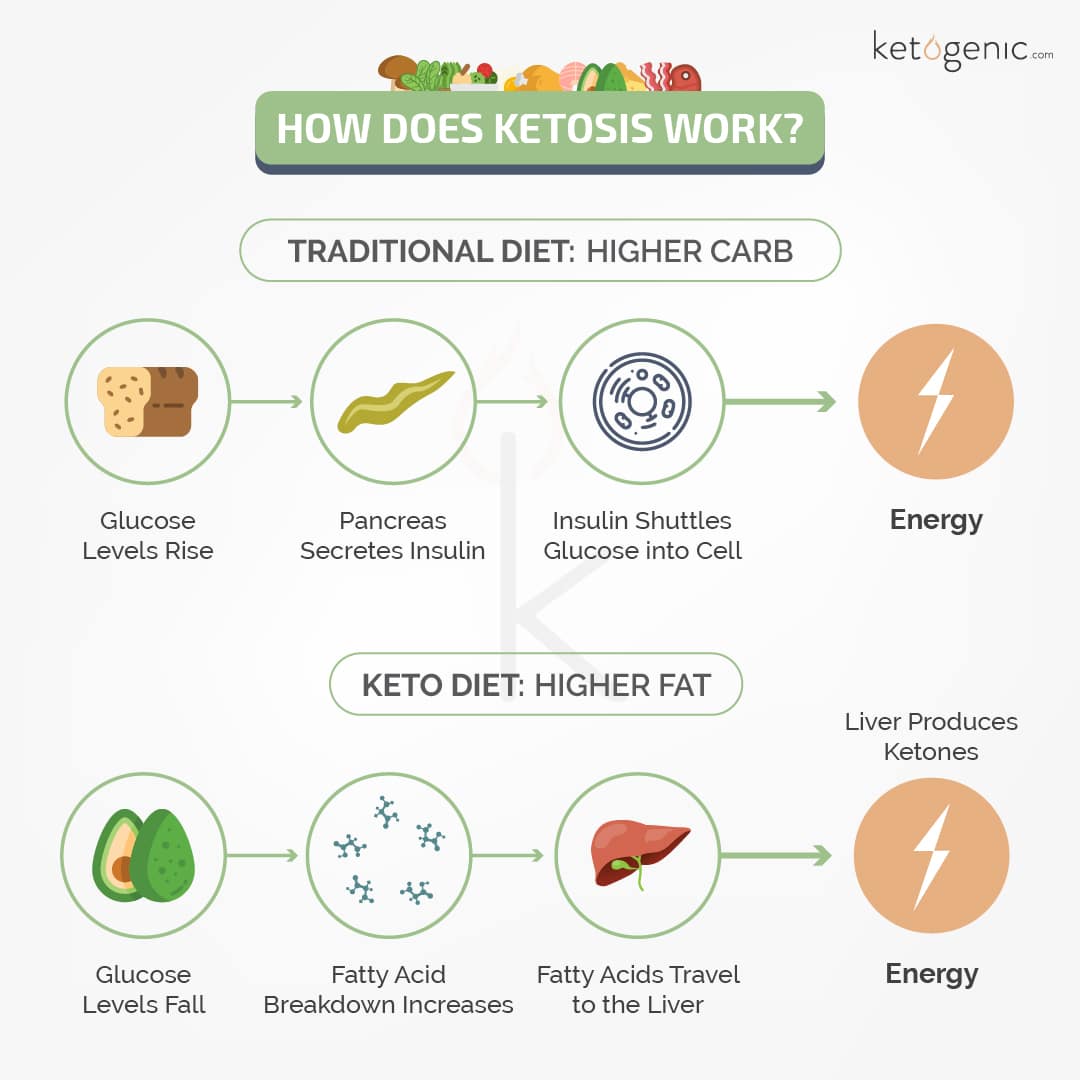
One of the most significant financial benefits of following a ketogenic diet is its potential to prevent or manage chronic diseases. Many common conditions such as type 2 diabetes, heart disease, and certain types of cancer are often linked to poor dietary choices and excessive carbohydrate consumption. By drastically reducing carbohydrate intake and increasing healthy fats on a keto diet, individuals may experience improved insulin sensitivity and reduced inflammation – both key factors in preventing these diseases.
According to the World Health Organization (WHO), non-communicable diseases account for about 71% of all deaths worldwide. These chronic illnesses not only pose a threat to our well-being but also put tremendous strain on healthcare systems globally. The Centers for Disease Control and Prevention (CDC) estimates that treating people with chronic diseases accounts for over 85% of healthcare expenditures in the United States alone.
By embracing a ketogenic lifestyle that focuses on whole foods rich in healthy fats like avocados, nuts, seeds, and olive oil while minimizing processed carbohydrates like sugar and refined grains – individuals have an opportunity to significantly reduce their risk of developing these costly conditions. Preventing or managing these illnesses means fewer doctor visits, medications prescriptions, hospital stays, surgeries – ultimately resulting in substantial cost savings.
Reduced medication costs
Another area where adopting a ketogenic diet can save you money is through decreased reliance on medications. Chronic conditions such as type 2 diabetes and high blood pressure often require long-term medication use to manage symptoms and control the disease progression. These medications can be costly, especially for those without comprehensive health insurance coverage.
Research has shown that following a ketogenic diet can lead to significant improvements in both blood sugar levels and blood pressure. Many individuals with type 2 diabetes have been able to reduce or even eliminate their need for diabetic medications altogether by adopting a low-carb lifestyle. Similar results have been observed in people with hypertension, who have experienced lower blood pressure readings after implementing a ketogenic eating plan.
By improving your health through dietary changes, you may find that you require fewer prescription medications or lower dosages, ultimately saving money on monthly drug expenses. However, it is crucial to work closely with your healthcare provider when making any adjustments to your medication regimen.
Savings on weight loss programs
Weight loss is often a primary goal for many individuals seeking improved health and well-being. The ketogenic diet has gained recognition for its ability to promote effective weight loss while still allowing individuals to enjoy delicious foods like meat, fish, eggs, cheese, and non-starchy vegetables liberally.
When compared to other popular weight loss programs or commercial diets that rely heavily on pre-packaged meals or supplements – which could be quite expensive – the ketogenic diet offers an economical alternative. Rather than spending money on pricey meal plans or subscription-based services, adhering to a keto lifestyle primarily involves choosing whole foods from local grocery stores or farmers’ markets.
Moreover, the satiating nature of higher fat intake in a ketogenic diet can help reduce cravings and decrease overall food consumption – another added financial benefit of this way of eating.
Lowered risk of hospitalization
Following a ketogenic diet may also contribute indirectly towards reducing healthcare costs by lowering the risk of hospitalizations related to certain medical conditions. For instance:
1. Reduced risk of cardiovascular events: High-fat diets have been associated with improvements in lipid profiles, including increased levels of HDL (the “good” cholesterol) and decreased levels of triglycerides. These changes are beneficial for heart health and can potentially lower the risk of cardiovascular events such as heart attacks and strokes.
2. Improved mental health: Emerging research suggests a potential link between ketogenic diets and improved mental health conditions such as depression and anxiety. By reducing inflammation, supporting brain function, and stabilizing blood sugar levels, a keto diet may help individuals manage their mental well-being more effectively – potentially reducing hospitalizations related to these conditions.
While more research is needed to fully understand the impact of a ketogenic diet on various diseases and associated hospitalizations, the potential benefits are promising.
In conclusion, adopting a ketogenic lifestyle not only offers numerous health benefits but can also be financially advantageous in the long run. By preventing chronic diseases, reducing medication costs, saving on weight loss programs, and lowering risks that may lead to expensive hospital stays – individuals have an opportunity to improve their overall financial well-being while prioritizing their health. However, it is crucial to approach any dietary change or medical decision under the guidance of healthcare professionals who can provide personalized advice based on individual needs.

Leave a Reply