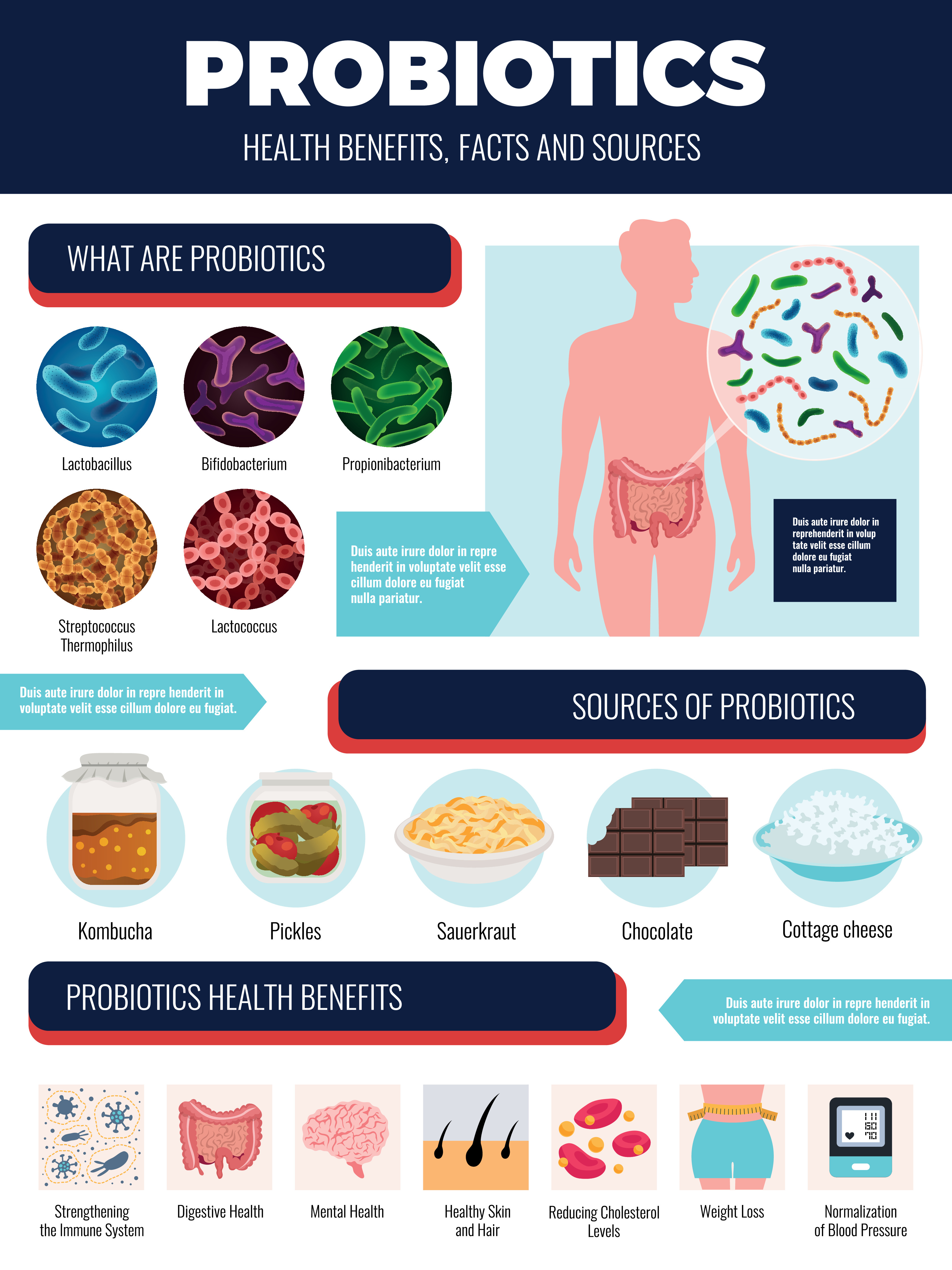
Probiotics have gained significant popularity in recent years for their potential health benefits. These live bacteria and yeasts, when consumed in adequate amounts, can provide various advantages to our overall well-being. While they are commonly associated with improving gut health, research suggests that probiotics may also have positive effects on other aspects of our body, including dental health, skin health, eye health, stress management, digestion in athletes, joint health, allergy symptoms reduction, brain function enhancement, sleep patterns regulation, fertility support, menopause symptom management and more.
In this article, we will explore the potential benefits of probiotics on these different areas of our health and discuss some specific strains that may be beneficial. It is important to note that while probiotics can offer numerous advantages for many individuals’ overall well-being; it is essential to consult with a healthcare professional before starting any new supplementation routine.
1. Probiotics and Dental Health:
Maintaining good oral hygiene is crucial for preventing tooth decay and gum disease. Research suggests that certain strains of probiotics can help promote dental health by reducing harmful bacteria in the mouth. Specifically Lactobacillus reuteri has been found to inhibit the growth of Streptococcus mutans which is one of the main culprits behind tooth decay.
2. Probiotics for Reducing Food Cravings:
Food cravings can sometimes lead to overeating or indulging in unhealthy foods. Some studies suggest that certain strains of probiotics might help reduce food cravings by influencing appetite-regulating hormones like ghrelin and leptin.
3. Probiotics and Skin Health:
Our skin’s appearance and condition are influenced by various factors including diet and gut microbiota composition. Some studies indicate that consuming specific strains of probiotics might improve certain skin conditions such as acne or eczema by reducing inflammation or balancing the skin’s microbiome.
4.Probiotics and Eye Health:
While research on this topic is still limited, some evidence suggests that probiotics may have a positive impact on eye health. Certain strains like Lactobacillus rhamnosus and Bifidobacterium animalis have been shown to support the immune system and reduce inflammation, which might indirectly benefit eye health.
5.Probiotics for Managing Stress and Anxiety:
The gut-brain axis refers to the bidirectional communication between our gut and central nervous system. Emerging research indicates that the gut microbiota can influence mental health conditions such as stress and anxiety. Some studies suggest that certain probiotic strains like Lactobacillus helveticus or Bifidobacterium longum may help alleviate symptoms of stress and anxiety by modulating neurotransmitter production.
6.Probiotics and Hair Health:
While more research is needed in this area, there is some evidence suggesting that an imbalance in gut microbiota might contribute to hair loss or scalp conditions. Probiotics could potentially help improve hair health by promoting a balanced gut microbiome, reducing inflammation, and supporting nutrient absorption.
7.Probiotics for Improving Digestion in Athletes:
Intense physical exercise can sometimes lead to gastrointestinal distress in athletes. Research shows that specific probiotic strains like Saccharomyces boulardii or Lactobacillus acidophilus may aid digestion by maintaining a healthy balance of bacteria in the gut and reducing symptoms such as diarrhea or bloating.
8.Probiotics and Joint Health:
Certain types of arthritis are associated with inflammation in the joints. Probiotic supplementation has shown promise in reducing systemic inflammation throughout the body, including joints. Strains such as Bifidobacterium bifidum or Lactobacillus plantarum have demonstrated anti-inflammatory properties that might benefit joint health.
9.Probiotics for Reducing Allergy Symptoms:
Some allergic reactions occur due to an overactive immune response triggered by exposure to certain substances. Research suggests that probiotics, particularly strains like Lactobacillus rhamnosus or Bifidobacterium lactis, may help regulate the immune system and potentially reduce allergy symptoms.
10.Probiotics and Brain Function:
The gut-brain axis plays a crucial role in brain function and mental health. Studies suggest that certain probiotic strains might positively influence cognitive function, memory, and mood by modulating neurotransmitters like serotonin or dopamine.
11.Probiotics for Promoting Healthy Sleep Patterns:
Sleep issues can significantly impact our overall well-being. Some research indicates that specific probiotic strains such as Lactobacillus reuteri or Bifidobacterium infantis may improve sleep quality by reducing inflammation, promoting relaxation, or influencing neurotransmitters involved in sleep regulation.
12.Probiotics and Fertility Support:
While more research is needed in this area, some studies suggest that a healthy gut microbiota might play a role in fertility. Probiotic supplementation could potentially support fertility by promoting hormonal balance and optimizing nutrient absorption.
13.Probiotics for Managing Menopause Symptoms:
Menopause is often accompanied by various uncomfortable symptoms due to hormonal changes. Although more research is necessary to confirm their effectiveness, certain probiotic strains have shown potential in reducing menopausal symptoms such as hot flashes or mood swings.
14.Probiotic Strains Specifically Beneficial for Children:
Probiotics can be beneficial for children’s health as well. Strains like Lactobacillus rhamnosus GG have been studied extensively and shown promise in supporting immune health and reducing the risk of respiratory tract infections among young ones.
15.The Impact of Probiotics on Cholesterol Levels:
Some evidence suggests that specific strains of probiotics may help lower LDL cholesterol levels (the “bad” cholesterol) through mechanisms like bile salt hydrolase activity. However, further research is needed to fully understand the potential benefits and optimal strains for cholesterol management.
16.The Role of Probiotics in Weight Management:
Maintaining a healthy weight is essential for overall well-being. While probiotics alone are not a magic solution for weight loss, some studies suggest that certain strains may help with weight management by influencing appetite regulation, reducing inflammation, or improving gut health.
17.The Connection Between Probiotics and Liver Health:
The liver plays a crucial role in detoxification processes within the body. Emerging research suggests that probiotics might have a positive impact on liver health by modulating gut microbiota composition, reducing inflammation, or enhancing the liver’s antioxidant capacity.
18.The Effects of Probiotics on Blood Sugar Regulation:
Some evidence suggests that specific probiotic strains may help regulate blood sugar levels by improving insulin sensitivity and reducing systemic inflammation. However, more research is needed to determine their efficacy and optimal usage.
19.The Potential Benefits of Probiotics During Pregnancy:
Pregnancy can alter the composition of gut microbiota due to hormonal changes. Research indicates that probiotic supplementation during pregnancy might positively influence maternal and fetal health outcomes, including reduced risk of gestational diabetes or allergies in infants.
20.The Relationship Between Probiotics and Immune System Function:
A significant portion of our immune system resides in the gut. Numerous studies suggest that certain probiotic strains like Lactobacillus acidophilus or Bifidobacterium lactis can support immune function by promoting a balanced gut microbiome, enhancing barrier function, and regulating inflammatory responses.
In conclusion, while further research is necessary to fully understand the potential benefits of different strains and their mechanisms of action; probiotics show promise in various aspects of our health beyond just digestive wellness. Incorporating diverse sources of beneficial bacteria into our diet through fermented foods or high-quality supplements may offer advantages for dental health, skin health, eye health stress management digestion in athletes joint health allergy symptoms reduction brain function enhancement, sleep patterns regulation, fertility support, menopause symptom management and more. It is vital to consult with a healthcare professional or registered dietitian before starting any new supplementation routine to determine the most appropriate strains and dosages for individual needs.

Leave a Reply