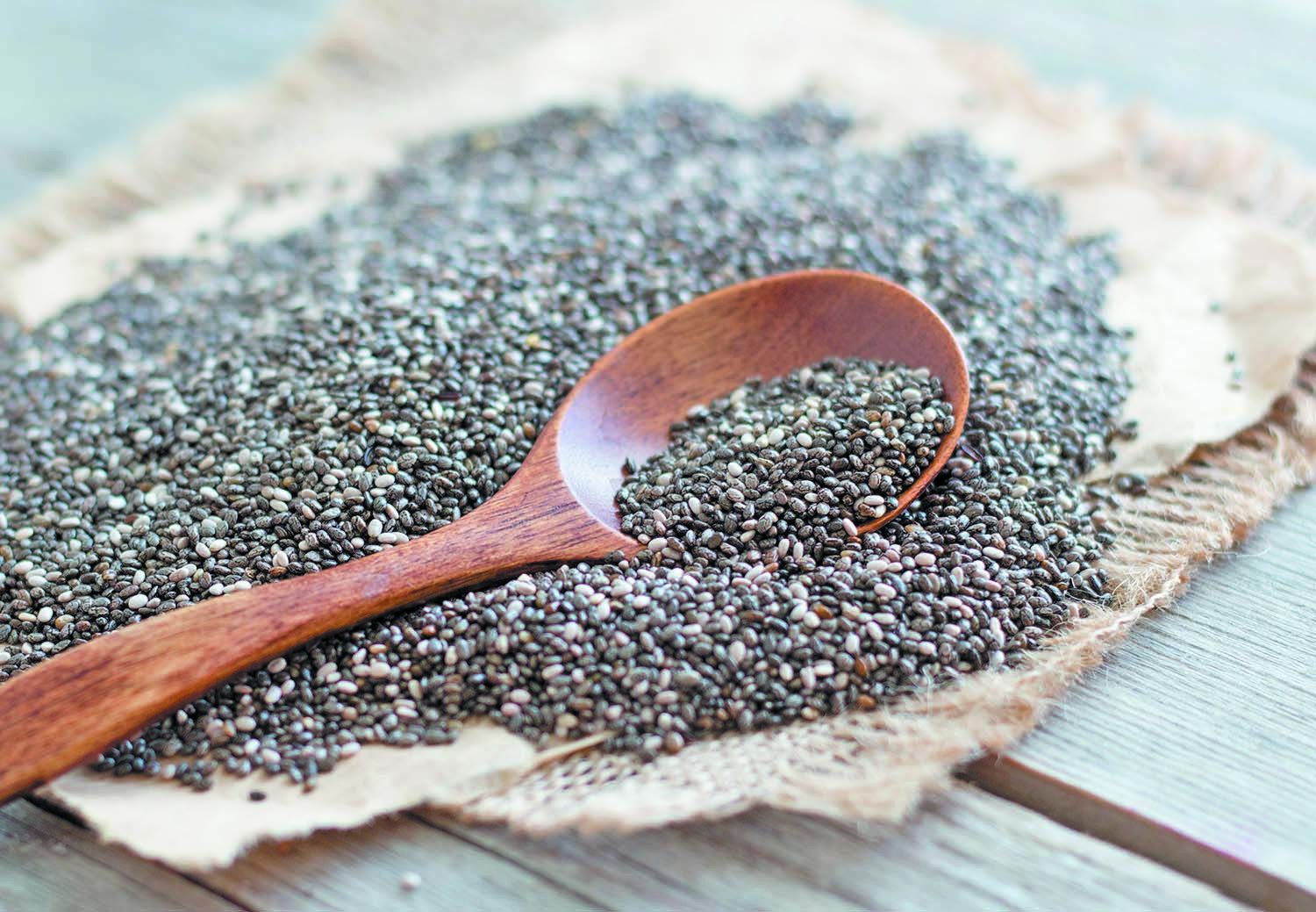
Chia Seeds: Your Plant-Based Protein Powerhouse
In recent years, there has been a significant rise in the popularity of plant-based protein options. Many people are searching for alternative sources of protein that not only provide essential nutrients but also align with their dietary preferences and values. One such option that has gained considerable attention is chia seeds.
Chia seeds, derived from the Salvia hispanica plant native to Mexico and Guatemala, have been consumed for centuries due to their nutritional benefits. These tiny black or white seeds may be small in size, but they pack a powerful punch when it comes to nutrition.
So what makes chia seeds an excellent choice for those seeking plant-based protein? Let’s delve deeper into the incredible health benefits they offer:
1. High Protein Content:
Protein is an essential macronutrient responsible for building and repairing tissues in our bodies. Chia seeds are loaded with protein, making them an ideal choice for vegans, vegetarians, or anyone looking to increase their plant-based protein intake. With approximately 20% protein content by weight, these little powerhouses can help you meet your daily requirements effortlessly.
2. Complete Amino Acid Profile:
Proteins consist of amino acids, some of which our bodies can produce on their own while others need to be obtained through our diet. Chia seeds contain all nine essential amino acids required by our bodies but cannot be produced internally. This makes them a complete source of plant-based protein comparable to animal proteins like eggs or meat.
3. Rich Source of Fiber:
Fiber plays a crucial role in maintaining digestive health and promoting satiety, helping you feel fuller for longer periods after meals. Chia seeds are abundant in dietary fiber, with just two tablespoons containing around 10 grams – almost one-third of the recommended daily intake! Incorporating chia seeds into your diet can aid digestion and prevent constipation while supporting overall gut health.
4. Omega-3 Fatty Acids:
Omega-3 fatty acids are essential fats that play a vital role in brain function, heart health, and reducing inflammation within the body. While fish is often hailed as the primary source of omega-3s, chia seeds offer a plant-based alternative. These tiny seeds are one of the richest plant sources of alpha-linolenic acid (ALA), a type of omega-3 fatty acid. Consuming chia seeds regularly can help you meet your omega-3 needs without relying solely on animal products.
5. Antioxidant Powerhouse:
Antioxidants are compounds that protect our cells from damage caused by harmful molecules called free radicals. Chia seeds contain an array of antioxidants, including flavonoids and polyphenols, which contribute to their potential health benefits. Antioxidants help combat oxidative stress and reduce the risk of chronic diseases like heart disease and certain types of cancer.
6. Blood Sugar Regulation:
Maintaining stable blood sugar levels is crucial for overall health, particularly for individuals with diabetes or insulin resistance issues. The high fiber content in chia seeds slows down digestion and helps prevent rapid spikes in blood sugar levels after meals. Incorporating chia seeds into meals may aid in managing blood sugar levels more effectively.
7. Versatile Culinary Uses:
One significant advantage of chia seeds is their versatility in culinary applications due to their mild taste and unique gelatinous texture when soaked or mixed with liquid. They can be added to smoothies, oatmeal, yogurt, baked goods, or used as an egg substitute in vegan recipes by mixing them with water until they form a gel-like consistency.
8. Easy to Incorporate into Your Diet:
Adding chia seeds to your diet is incredibly simple! Start by introducing small amounts gradually to allow your digestive system time to adjust to the increased fiber intake properly. You can begin by adding one tablespoon per day and gradually increase it to two or three tablespoons. Remember to drink plenty of water when consuming chia seeds as they absorb liquid and may cause discomfort if not adequately hydrated.
9. Weight Management:
If you’re looking to manage your weight, chia seeds can be a valuable addition to your diet plan. The combination of protein, fiber, and healthy fats in these tiny seeds helps promote feelings of fullness and reduce unnecessary snacking between meals. Additionally, the slow digestion rate of chia seeds may contribute to increased satiety levels, preventing overeating.
10. Nutrient Powerhouse:
Apart from being an excellent source of protein, fiber, omega-3 fatty acids, antioxidants, and essential amino acids, chia seeds also provide several other essential nutrients. They are rich in calcium for bone health, magnesium for muscle function and energy production, phosphorus for cell maintenance and repair, and various vitamins including vitamin B1 (thiamine) for metabolism regulation.
In conclusion, chia seeds offer a multitude of health benefits that make them an exceptional choice for those seeking plant-based protein options. With their high protein content combined with a complete amino acid profile and numerous other nutritional advantages such as omega-3 fatty acids and antioxidants – these tiny powerhouses should definitely find a place in your pantry! So go ahead; start incorporating chia seeds into your diet today for improved overall well-being!

Leave a Reply