Protein Powder and Digestion Issues: What You Need to Know
Protein powder has gained immense popularity in the health and fitness world. It is often seen as a convenient way to increase protein intake, aid in muscle recovery, and support overall wellness. However, for some individuals, protein powder may cause digestive issues. In this article, we will explore the potential reasons behind these problems and provide tips on how to mitigate them.
Understanding Protein Powder
Before diving into digestion issues, it’s essential to understand what protein powder is and why it’s commonly used. Protein powders are dietary supplements made from various sources such as whey (derived from milk), casein, soybeans, peas, hemp seeds, or rice. These powders are typically mixed with water or other beverages to create a quick and easy high-protein shake.
Digestive Issues Associated with Protein Powder
1. Lactose Intolerance: One of the most common causes of digestive issues related to protein powder consumption is lactose intolerance. Whey protein isolates contain small amounts of lactose that can trigger symptoms like bloating, gas, diarrhea or loose stools in those who cannot digest lactose properly.
2. Allergies or Sensitivities: Some individuals may develop an allergic reaction or sensitivity towards certain types of proteins used in protein powders like whey or soy. Symptoms may include nausea, stomach cramps, skin rashes/hives or difficulty breathing.
3. Artificial Sweeteners: Many protein powders contain artificial sweeteners such as sucralose or aspartame to enhance their taste without adding extra calories. While these additives are generally recognized as safe by regulatory bodies when consumed within recommended limits; some people might experience digestive discomfort after consuming products containing artificial sweeteners.
4. High Fiber Content: Some plant-based proteins like pea or hemp have higher fiber content compared to animal-based proteins like whey or casein. While fiber is essential for a healthy digestive system, excessive intake can cause bloating, gas, and even diarrhea in some individuals.
Tips to Mitigate Digestive Issues
1. Identify the Culprit: If you suspect that protein powder is causing your digestive issues, try eliminating it from your diet temporarily and observe if symptoms improve. You may also consider consulting with a healthcare professional or registered dietitian to help identify any specific allergies or intolerances.
2. Opt for Alternative Protein Sources: If you find that certain types of protein powders don’t agree with your digestion, explore other options such as plant-based proteins like pea or rice protein powders. These alternatives may be easier on the stomach for those who are lactose intolerant or have sensitivities towards animal-based proteins.
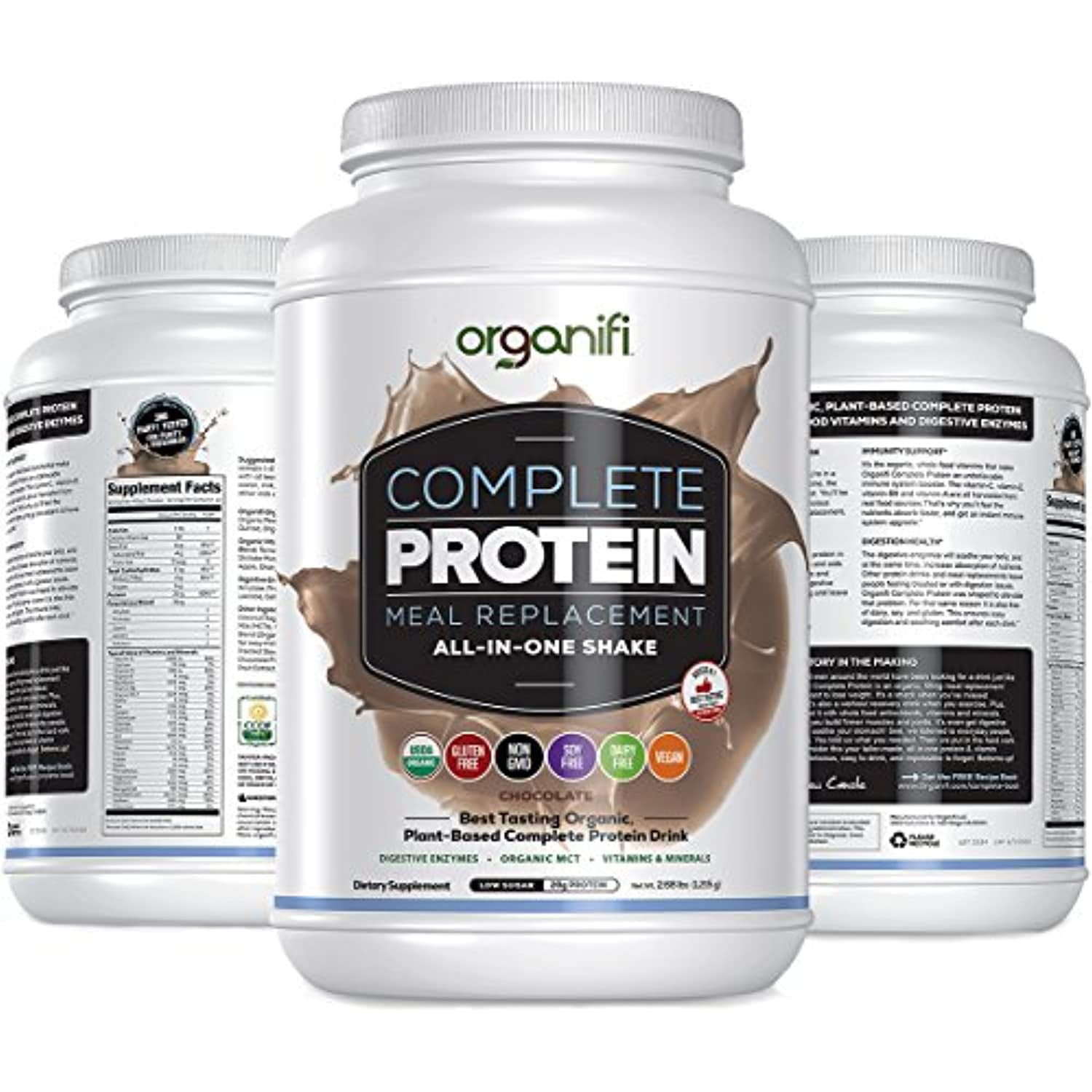
3. Choose High-Quality Protein Powders: Look for reputable brands that focus on quality ingredients and manufacturing processes. Opting for protein powders that are certified organic, third-party tested, and free from artificial additives may reduce the risk of digestive discomfort.
4. Consider Enzyme Supplements: Adding enzyme supplements like lactase (for lactose intolerance) or proteases (to aid in protein digestion) might help alleviate digestive symptoms associated with protein powder consumption. However, consult with a healthcare professional before adding any new supplements to your routine.
5. Adjust Serving Size and Consumption Frequency: Sometimes, digestive issues arise due to consuming too much protein powder at once or ingesting it too frequently throughout the day. Experimenting with smaller serving sizes or spacing out consumption can help determine an optimal intake level without causing discomfort.
6. Mix It Differently: Changing up how you prepare your protein shake might make a difference in digestion as well. Some people find that blending their powder with plain water instead of milk reduces symptoms related to lactose intolerance or allergies/sensitivities.
Conclusion
Protein powder can be a valuable addition to one’s diet by providing convenience, supporting muscle recovery, and meeting protein needs. However, for individuals experiencing digestive issues, it is essential to identify the underlying cause and make necessary adjustments. By trying different protein sources, adjusting serving sizes or consumption frequency, and considering enzyme supplements if needed, you can find a solution that allows you to enjoy the benefits of protein powder without any discomfort. Remember to consult with a healthcare professional or registered dietitian for personalized advice tailored to your specific needs.

Leave a Reply