Salmon: A Nutritional Powerhouse for a Healthy Diet
When it comes to healthy eating, incorporating seafood into your diet is highly recommended. And at the top of the list of nutritious fish is salmon. This flavorful and versatile fish not only tantalizes taste buds but also offers numerous health benefits that make it an excellent choice for anyone looking to improve their overall well-being.
Salmon, a species of fish native to both freshwater and saltwater environments, is renowned for its rich flavor and vibrant pink flesh. It has been consumed by humans for thousands of years and continues to be a staple in many cultures around the world.
One of the primary reasons salmon stands out amongst other fish varieties is its exceptional nutrient profile. Packed with vitamins, minerals, omega-3 fatty acids, and high-quality protein, salmon provides an array of health-promoting properties.
Let’s dive deeper into the nutritional wonders that this remarkable fish has to offer:
1. Omega-3 Fatty Acids:
Salmon is famous for being an abundant source of omega-3 fatty acids, particularly eicosapentaenoic acid (EPA) and docosahexaenoic acid (DHA). These essential fats play a crucial role in maintaining optimal brain function, reducing inflammation throughout the body, promoting heart health, improving eye health, enhancing skin complexion, and supporting overall mental well-being.
Research suggests that consuming omega-3 fatty acids may help reduce the risk factors associated with cardiovascular diseases such as high blood pressure and cholesterol levels. They have also been linked to improved cognitive function and reduced symptoms of depression and anxiety.
2. High-Quality Protein:
Protein is an essential macronutrient required by our bodies for growth and repair processes. Salmon boasts one of the highest protein contents among all types of fish. A 100g serving typically contains about 22-25 grams of protein.
The protein found in salmon provides all the essential amino acids needed for building and maintaining muscles, supporting immune function, and facilitating various enzymatic reactions in the body. Including salmon in your diet can be especially beneficial for athletes, individuals recovering from injuries or surgeries, and those looking to build lean muscle mass.
3. Rich in Vitamins and Minerals:
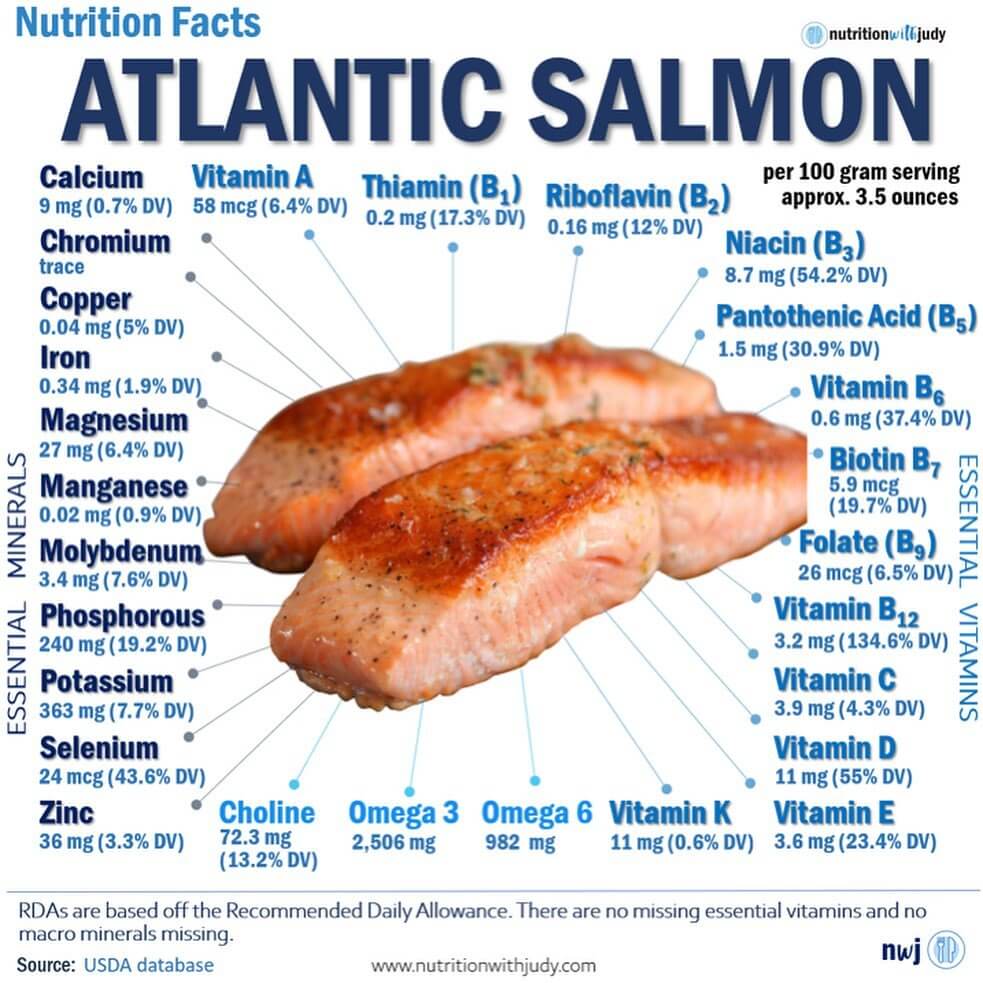
Salmon is a nutrient-dense fish that contains an array of vitamins and minerals necessary for optimal health. It is particularly rich in vitamin D, vitamin B12, selenium, potassium, and phosphorus.
Vitamin D is essential for calcium absorption and bone health. Since it’s challenging to get sufficient amounts of this vitamin from food alone, incorporating salmon into your diet can help ensure you meet your daily requirements.
Vitamin B12 plays a vital role in energy production, nervous system function, DNA synthesis, and red blood cell formation. Salmon provides more than 100% of the recommended daily intake (RDI) of this important vitamin per serving.
In addition to vitamins D and B12, salmon also contains selenium—a potent antioxidant that supports thyroid function—and potassium—an electrolyte that aids heart health by regulating blood pressure. Phosphorus is another mineral found abundantly in salmon that contributes to bone strength and energy metabolism.
4. Heart Health Benefits:
Consuming fatty fish like salmon has been associated with numerous cardiovascular benefits due to its omega-3 content. Omega-3 fatty acids have been shown to reduce inflammation throughout the body while promoting healthy cholesterol levels.
Regular consumption of salmon may help decrease triglyceride levels—the type of fat linked to an increased risk of heart disease—improve arterial elasticity, lower blood pressure levels, prevent plaque buildup within arteries (atherosclerosis), reduce arrhythmia risks (irregular heartbeat), as well as decrease inflammation markers such as C-reactive protein (CRP).
5. Brain Function Enhancement:
The omega-3 fatty acids abundant in salmon are not only beneficial for heart health but also play a crucial role in brain function. DHA, one of the omega-3 fatty acids found in salmon, is particularly important for proper brain development and maintenance throughout life.
Studies have indicated that consuming omega-3s may help improve cognitive functions such as memory, attention span, problem-solving abilities, and overall mental well-being. Including salmon in your diet may reduce the risk of age-related cognitive decline and neurodegenerative diseases like Alzheimer’s.
6. Eye Health Promotion:
The eyes require essential nutrients to maintain optimal vision and prevent age-related macular degeneration (AMD) and dry eye syndrome. The omega-3 fatty acids found in salmon are beneficial for eye health due to their anti-inflammatory properties.
Research suggests that regular consumption of these healthy fats may decrease the risk of developing AMD—a leading cause of vision loss among older adults—by up to 42%. Omega-3s can also alleviate symptoms associated with dry eyes by reducing inflammation on the ocular surface.
7. Anti-Inflammatory Properties:
Inflammation is a natural response by the body to protect against injury or infection. However, chronic inflammation can lead to various diseases such as diabetes, obesity, cardiovascular disorders, arthritis, and certain types of cancer.
The omega-3 fatty acids present in salmon possess potent anti-inflammatory effects that can help combat chronic inflammation within the body. By including this fish regularly into your diet, you may experience reduced joint pain and stiffness associated with conditions like rheumatoid arthritis.
8. Skin Health Benefits:
Consuming salmon can contribute to healthy skin due to its high content of omega-3 fatty acids and antioxidants. These compounds have been shown to reduce skin redness caused by inflammation while improving hydration levels and promoting a youthful appearance.
Omega-3s also play a vital role in maintaining the integrity of cell membranes within the skin barrier. This helps keep harmful pollutants out while locking moisture inside—resulting in a radiant and healthy complexion.
9. Versatility in Cooking:
Apart from its incredible health benefits, salmon is also incredibly versatile when it comes to cooking. It can be prepared in numerous ways—baked, grilled, broiled, pan-seared, or even enjoyed raw as sushi or sashimi.
You can experiment with various seasonings and marinades to enhance the flavor of salmon. Whether you prefer a simple lemon and dill seasoning or a tangy teriyaki glaze, there are endless possibilities for creating delicious dishes with this fish.
Conclusion:
Salmon is undoubtedly one of the most nutritious foods available. Packed with omega-3 fatty acids, high-quality protein, vitamins, minerals, and antioxidants—it offers an array of health benefits ranging from heart health promotion to improved brain function and skin vitality.
Incorporating salmon into your diet at least two times per week can significantly contribute to a healthier lifestyle. So why not indulge in this flavorful fish while reaping all the nutritional rewards it has to offer? Your taste buds—and your body—will thank you!

Leave a Reply