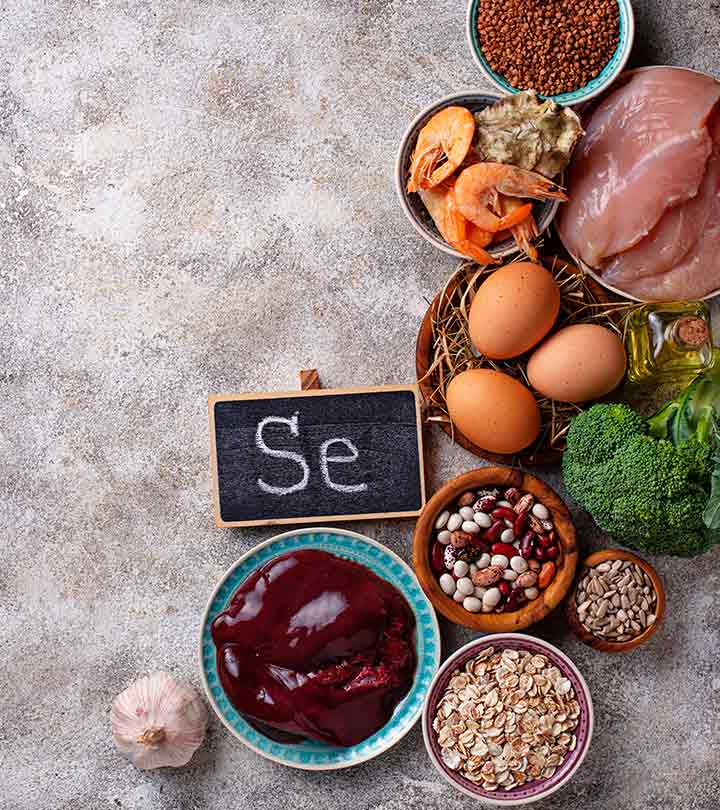
Selenium: The Essential Trace Mineral for Optimal Health
When it comes to maintaining a healthy diet, many of us focus on macronutrients like proteins, carbohydrates, and fats. However, micronutrients are just as crucial for our overall well-being. One such essential trace mineral is selenium. Although required in small amounts by the body, selenium plays a vital role in various physiological processes and offers several health benefits. In this article, we will explore the importance of selenium in our diet and how we can incorporate it into our meals.
What is Selenium?
Selenium is a trace mineral that exists naturally in soil and water. It was discovered by the Swedish chemist Jöns Jacob Berzelius in 1817 but wasn’t recognized as an essential nutrient until much later.
This micronutrient is unique because it serves as an integral component of several selenoproteins – specialized proteins that contain selenium within their structure. These selenoproteins act as enzymes with antioxidant properties and perform critical functions within the body.
Health Benefits of Selenium:
1. Powerful Antioxidant:
As mentioned earlier, selenium acts as an antioxidant due to its incorporation into selenoprotein enzymes such as glutathione peroxidases and thioredoxin reductases. These enzymes help neutralize free radicals in the body, reducing oxidative stress and preventing damage to cells.
2. Supports Thyroid Function:
The thyroid gland relies on adequate levels of selenium to produce thyroid hormones efficiently. Selenium aids in converting inactive thyroxine (T4) hormone into active triiodothyronine (T3), which regulates metabolism, growth, development, temperature regulation, and energy production.
3. Boosts Immune System:
Selenium plays a crucial role in supporting optimal immune function by enhancing the activity of immune cells like T-cells and natural killer cells. It also promotes antibody production during infection or vaccination.
4. Protects Against Chronic Diseases:
Recent studies have suggested that selenium’s antioxidant properties may help reduce the risk of chronic diseases such as heart disease, certain types of cancer (including prostate, lung, and colorectal cancers), and neurodegenerative disorders like Alzheimer’s disease.
5. Enhances Reproductive Health:
Selenium is essential for both male and female reproductive health. In males, it contributes to the development of healthy spermatozoa and protects against oxidative damage. In females, selenium supports fertility, pregnancy outcomes, and fetal development.
Selenium Deficiency:
Although selenium deficiency is relatively rare in developed countries where diets are typically diverse and well-rounded, certain factors can increase the risk of inadequate selenium intake. These include living in regions with low soil selenium levels or relying heavily on processed foods that are stripped of this essential mineral during manufacturing.
Symptoms of selenium deficiency can vary depending on the severity but may include:
– Weakened immune system leading to frequent infections
– Fatigue
– Thyroid dysfunction
– Cognitive decline
– Infertility or suboptimal reproductive health
Severe cases of long-term selenium deficiency can result in a condition known as Keshan disease – a potentially fatal form of cardiomyopathy characterized by an enlarged heart.
Recommended Daily Intake:
The recommended daily intake (RDI) of selenium varies based on age, sex, and life stage. The following table provides a general guideline:
Life Stage RDI (micrograms)
Infants 0–6 months 15 mcg
Infants 7–12 months 20 mcg
Children 1–3 years 20 mcg
Children 4–8 years 30 mcg
Children/Teens
9–13 years 40 mcg
14–18 years Males:55mcg/Females:45mcg
Adults Males/Females: 55 mcg
Pregnancy 60 mcg
Breastfeeding 70 mcg
Sources of Selenium:
1. Brazil Nuts:
Brazil nuts are one of the richest dietary sources of selenium. Just a single nut can provide around 68-91 micrograms of selenium, surpassing the RDI for most age groups.
2. Seafood:
Seafood, particularly tuna, sardines, shrimp, and salmon, is an excellent source of selenium. Three ounces (85 grams) of cooked tuna contains approximately 92 micrograms of selenium.
3. Meat and Poultry:
Meat products such as beef, pork, chicken, and turkey contain significant amounts of selenium. Organ meats like liver are especially high in this mineral.
4. Eggs:
Eggs are not only a good source of protein but also provide essential nutrients like selenium. One large egg contains about 15 micrograms of selenium.
5. Grains and Legumes:
Whole grains like oats and brown rice contain small amounts of selenium. Legumes such as lentils and chickpeas are also decent sources.
6. Dairy Products:
Milk and dairy products contribute to overall selenium intake but typically in smaller quantities compared to other food sources mentioned above.
7. Vegetables:
While vegetables generally have lower levels compared to other food groups mentioned earlier, they still contribute to daily intake – especially if consumed in larger quantities or variety.
It’s important to note that the amount of selenium present in plant-based foods depends on the soil content where they were grown; thus, it may vary geographically.
Supplements:
In certain cases where dietary intake may be insufficient or specific health conditions require additional supplementation (under medical supervision), supplements can be considered as a complementary source for ensuring adequate levels of this trace mineral.
However, caution should be exercised when considering supplementation since excessive consumption can lead to toxicity symptoms known as selenosis, causing gastrointestinal disturbances, hair loss, brittle nails, and even neurological complications.
Conclusion:
Selenium is a vital trace mineral that plays numerous roles in maintaining optimal health. From its antioxidant effects to supporting thyroid function and immune system health, selenium is crucial for our well-being. By incorporating selenium-rich foods into our diets like Brazil nuts, seafood, meat, eggs, grains, legumes, and vegetables – we can ensure adequate intake of this essential nutrient.
Remember to consult with a healthcare professional or registered dietitian before starting any supplementation regimen to determine your specific needs based on your overall health status and dietary habits.
By prioritizing a balanced diet that includes selenium-rich foods alongside other essential nutrients, you’ll be taking an important step towards maintaining optimal health in the long run.

Leave a Reply