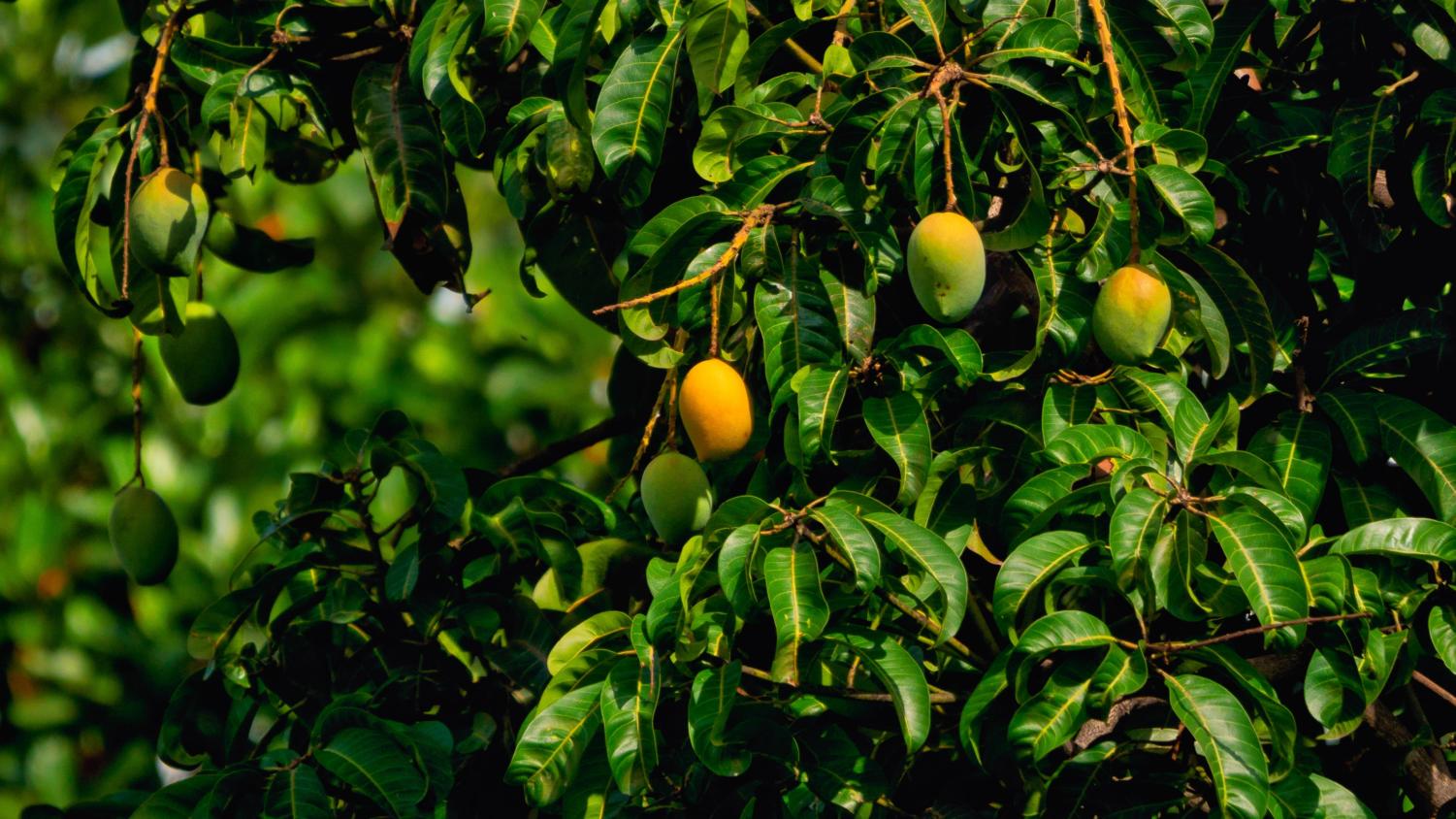
The Cultural Significance of Mango in Different Countries
Mango, often referred to as the “king of fruits,” is not only a delicious and nutritious fruit but also holds significant cultural importance in various countries around the world. With its sweet and tropical flavor, vibrant color, and juicy flesh, mango has become an iconic symbol of summertime and exoticism. From ancient legends to modern-day celebrations, let’s explore how this delectable fruit is deeply rooted in the cultures of different nations.
India:
In India, mango is considered more than just a fruit; it is seen as a sacred symbol representing love and fertility. The significance of mangoes dates back thousands of years when they were first cultivated in the Indian subcontinent. According to Hindu mythology, Lord Shiva gifted his consort Parvati with a divine mango tree on their wedding day. This mythological association has led to mangoes being featured prominently during weddings and other auspicious occasions.
Indian literature and poetry are replete with references to mangoes as symbols of beauty, abundance, and sensuality. The famous poet Rabindranath Tagore frequently used mangoes as metaphors for desire and longing in his works. Additionally, festivals like Holi and Diwali are incomplete without indulging in traditional sweets made from ripe mango pulp.
Philippines:
In the Philippines, where over 400 varieties of mangos thrive under its tropical climate, this fruit holds immense cultural significance. Known locally as “mangga,” it plays an integral role in Filipino cuisine from savory dishes like green mango salad (ensaladang mangga) to sweet treats such as sticky rice with ripe mango (mango float). In fact, Filipinos take great pride in their national dessert called “mango float,” which consists of graham crackers layered with whipped cream and ripe sliced mangos.
Beyond food culture, Philippine folklore tells stories about legendary creatures associated with mangos. One such tale is that of the “Mangkukulam,” a witch believed to have the power to curse people using mango leaves and twigs. Mango trees are also considered sacred, with superstitions suggesting that cutting down a mango tree can bring misfortune.
Mexico:
Mango holds deep cultural roots in Mexico, where it is hailed as the national fruit. With a wide variety of mango cultivars grown across the country, including Ataulfo, Tommy Atkins, and Kent, Mexicans celebrate this fruit through traditional dishes and drinks. Mangoes find their way into salsas, salads, marinades for meats like carnitas (slow-cooked pork), and refreshingly spicy chamoy sauces.
One of Mexico’s most famous street foods is sliced green mangos sprinkled with chili powder called “mangonadas.” These tangy-sweet snacks perfectly balance flavors while offering relief from the scorching heat. Additionally, during Dia de los Muertos (Day of the Dead) celebrations in November each year, families often place ripe mangos on altars as an offering to honor their departed loved ones.
Thailand:
In Thailand, mangoes are highly revered and celebrated for their exceptional taste and fragrance. The country boasts an abundance of exotic mango varieties such as Nam Dok Mai and Mahachanok that are sought after globally for their unique flavors. Thai cuisine showcases mango in many popular dishes like sticky rice with slices of ripe mango known as “khao niew mamuang.”
Moreover, Thailand hosts an annual festival dedicated solely to celebrating this tropical fruit – The Mango Festival or “Mango Tango.” During this vibrant event held between April and May when Thai mangos are at their peak seasonality; visitors can indulge in various culinary creations featuring both sweet and savory preparations made from ripe or unripe green mangos.
United States:
While not native to the United States, mango has gained significant popularity in recent years due to its versatility and health benefits. As a melting pot of cultures, the U.S. embraces mangoes in diverse culinary traditions brought by immigrants from different countries.
In regions like Florida and California, where mango trees thrive, locals actively engage in mango festivals, competitions, and even auctions for rare varieties. The annual International Mango Festival held at Fairchild Tropical Botanic Garden in Miami attracts enthusiasts from around the world to celebrate this tropical delight.
The cultural significance of mangoes is not limited to their consumption alone but also extends to art forms such as painting, literature, and music. Artists worldwide have incorporated this fruit’s vibrant colors and pleasing shapes into their creations to evoke feelings of joy, abundance, and sensuality.
Conclusion:
Mangoes transcend mere food value; they hold cultural importance that goes beyond borders. Whether it’s India’s divine association or Mexico’s national pride or Thailand’s aromatic treasures or the Philippines’ folklore tales – each country has embraced this fruit with unique customs and traditions. As we savor the deliciousness of mangoes during summertime picnics or festive occasions, let us appreciate the rich tapestry they weave across different cultures worldwide.

Leave a Reply