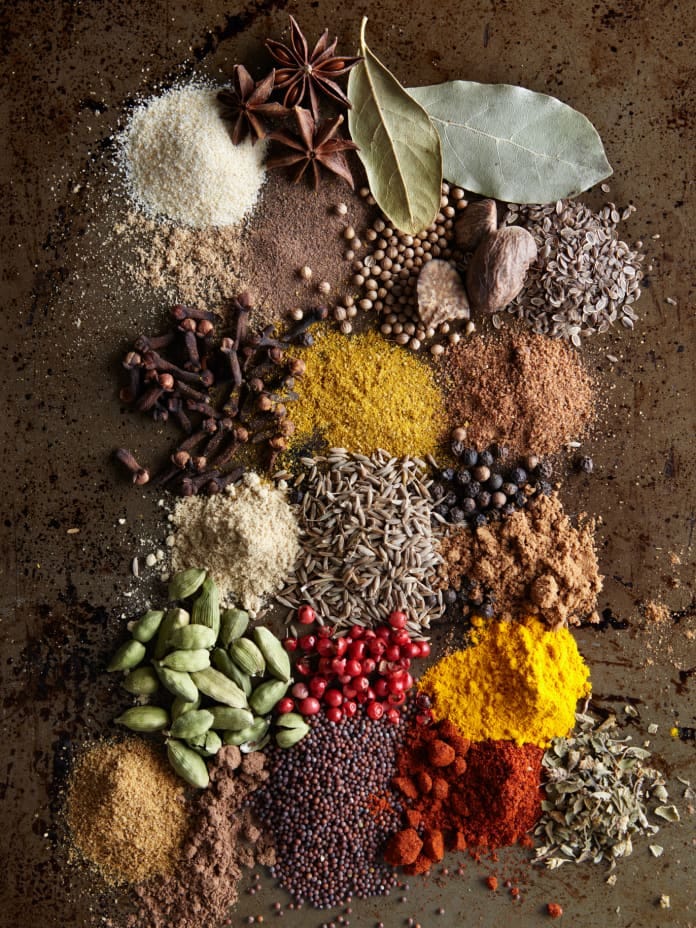
Fresh herbs and spices are not just a great way to add flavor to your dishes, but they also offer numerous health benefits. Packed with antioxidants, vitamins, minerals, and essential oils, these natural ingredients can enhance the taste of your meals while providing added nutritional value. In this FAQ-style post, we will explore some commonly asked questions about fresh herbs and spices.
1. What are fresh herbs?
Fresh herbs refer to the leaves of plants that are used for culinary or medicinal purposes. They are typically harvested from herbaceous plants and can be used both fresh or dried in cooking.
2. How do I store fresh herbs?
To keep your fresh herbs at their best for longer periods, it’s important to store them properly. Most leafy herbs like cilantro or parsley can be stored by trimming the stems slightly and placing them in a jar filled with water (similar to flowers). Covering them loosely with a plastic bag can help retain moisture too. For hardier varieties like rosemary or thyme, wrap them in a damp paper towel and place them in an open container in the refrigerator.
3. What is the difference between dried and fresh herbs?
Dried herbs are prepared by removing most of the moisture content from freshly picked ones through air drying or using low heat methods such as dehydrators. While dried herbs have a more concentrated flavor than their fresh counterparts due to the loss of water content during drying, they may not provide the same vibrant taste that fresh ones offer.
4. Can I substitute dried herbs for fresh ones in recipes?
In general, you can substitute dried herbs for fresh ones; however, keep in mind that since dried versions are more potent than their fresher equivalents, you’ll need less quantity when using them in recipes. As a rule of thumb: one tablespoon of chopped fresh herb equals one teaspoon of dried herb.
5. What is considered common kitchen pantry spices?
Common kitchen pantry spices include staples like cinnamon, cumin, paprika, turmeric, ginger, nutmeg, cloves, and black pepper. These spices are versatile and can be used in both sweet and savory recipes.
6. How do I know which herb or spice to use in a recipe?
Choosing the right herb or spice for a recipe can be intimidating at first. It’s best to start with familiar flavors that complement the dish you are preparing. For example, basil pairs well with tomatoes while rosemary enhances the flavor of roasted meats. Experimenting with different combinations will help you discover your preferences.
7. Are there any health benefits associated with using fresh herbs and spices?
Yes! Fresh herbs and spices offer various health benefits due to their antioxidant properties and bioactive compounds. For instance, turmeric contains curcumin which has anti-inflammatory effects while garlic may help lower blood pressure and cholesterol levels.
8. Can I grow my own fresh herbs at home?
Absolutely! Growing your own herbs is an excellent way to have a constant supply of fresh ingredients on hand without relying solely on store-bought options. Most herbs require minimal care and can be grown indoors or outdoors depending on available space.
9. Which herbs are easy to grow for beginners?
If you’re new to gardening, some easy-to-grow herbs include basil, mint (in containers), chives, parsley, thyme, oregano, sage (in larger spaces), and rosemary (if you have ample sunlight).
10. Can I freeze fresh herbs for later use?
Freezing fresh herbs is an excellent way to preserve their flavor if you find yourself having more than needed at once or want them readily available during off-seasons. Simply chop them into small portions or leave whole leaves intact before sealing them in freezer bags or ice cube trays filled with water or olive oil.
11. Where can I find fresh herbs if I don’t have access to a garden?
If growing your own herbs is not an option, you can easily find fresh herbs at local grocery stores or farmers’ markets. Some supermarkets also carry potted herb plants that you can keep indoors.
12. How long do fresh herbs and spices last?
The shelf life of fresh herbs varies depending on the type. Generally, leafy herbs like parsley or cilantro last for about one to two weeks when stored properly in the refrigerator. Hardier ones like rosemary or thyme may stay fresh for up to three weeks. It’s always best to check their appearance and aroma before using them.
Including fresh herbs and spices in your meals not only adds depth of flavor but also provides a range of health benefits. Whether you choose to grow them yourself or purchase from local sources, incorporating these natural ingredients into your dishes will elevate both taste and nutrition levels. So go ahead, get creative with your culinary creations using these aromatic treasures!

Leave a Reply