Antioxidants and Heart Health: A Comprehensive Guide
Introduction:
Heart disease is a leading cause of death globally, responsible for millions of deaths each year. The good news is that many risk factors associated with heart disease can be modified through lifestyle changes, including adopting a healthy eating pattern. Antioxidants, found abundantly in various foods, have been extensively studied for their potential role in promoting heart health. In this article, we will explore the benefits of antioxidants for cardiovascular health and discuss the best dietary sources.
Understanding Antioxidants:
Before diving into the specifics of how antioxidants benefit heart health, let’s first understand what they are and how they function. Antioxidants are compounds that protect our cells from damage caused by harmful molecules called free radicals. Free radicals are highly reactive molecules that can lead to oxidative stress when present in excess.
Oxidative stress occurs when there is an imbalance between free radical production and antioxidant defense mechanisms in the body. This imbalance can result in cellular damage and contribute to chronic diseases like heart disease, cancer, and neurodegenerative disorders.
Antioxidants neutralize free radicals by donating electrons or hydrogen atoms without becoming unstable themselves. They play a crucial role in maintaining cellular balance and protecting against oxidative stress.
Types of Antioxidants:
Several types of antioxidants exist, each with its unique properties and benefits:
1. Vitamins: Vitamins C (ascorbic acid) and E (tocopherol) are powerful antioxidants commonly found in fruits, vegetables, nuts/seeds, whole grains, vegetable oils.
2. Carotenoids: These pigments give fruits and vegetables their vibrant colors. Beta-carotene (found in carrots), lycopene (found in tomatoes), lutein/zeaxanthin (found in leafy greens), etc., act as potent antioxidants.
3. Flavonoids: Abundant in fruits, vegetables, tea leaves; examples include quercetin, catechins, anthocyanins.
4. Selenium: A mineral found in seafood, nuts/seeds, meat, and whole grains that activates antioxidant enzymes.
5. Coenzyme Q10: Although produced naturally by the body, it can also be obtained from dietary sources like meat, fish, and whole grains.
Antioxidants and Heart Health:
Numerous studies have investigated the relationship between antioxidants and heart health. While research is ongoing, current evidence suggests several ways in which antioxidants positively impact cardiovascular health:
1. Reducing LDL oxidation: Low-density lipoprotein (LDL) cholesterol is often referred to as “bad” cholesterol since its oxidation plays a key role in promoting plaque formation in arteries. Antioxidants like vitamins C and E help prevent this oxidation process from occurring or limit its extent.
2. Lowering blood pressure: High blood pressure (hypertension) is a significant risk factor for heart disease. Some studies suggest that diets rich in antioxidants may help lower blood pressure levels due to their ability to improve endothelial function (the inner lining of blood vessels).
3. Anti-inflammatory effects: Chronic inflammation within the body contributes to the development of various diseases, including heart disease. Antioxidants combat inflammation by reducing oxidative stress and inhibiting inflammatory pathways.
4. Enhancing endothelial function: Endothelial cells play a vital role in maintaining healthy blood vessels by regulating factors such as blood flow and clotting. Antioxidants promote optimal endothelial function by protecting these cells from oxidative damage.
5. Preventing plaque formation: The accumulation of plaque within arterial walls narrows them over time, restricting blood flow to the heart muscle (coronary artery disease). By preventing LDL oxidation and reducing inflammation, antioxidants can potentially slow down or even prevent plaque formation.
Best Dietary Sources of Antioxidants:
To reap the benefits of antioxidants for heart health, it is crucial to incorporate a variety of antioxidant-rich foods into your diet. Here are some excellent sources:
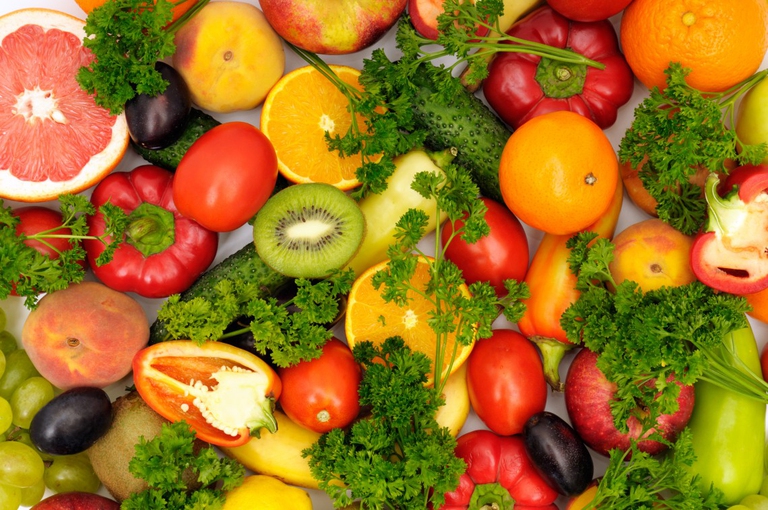
1. Fruits and vegetables: Berries (blueberries, strawberries, raspberries), citrus fruits (oranges, lemons), leafy greens (spinach, kale), bell peppers, broccoli, tomatoes.
2. Nuts and seeds: Almonds, walnuts, pecans, flaxseeds, chia seeds.
3. Whole grains: Oats, brown rice, quinoa.
4. Herbs and spices: Turmeric, ginger, cinnamon.
5. Tea: Green tea and black tea contain flavonoids with potent antioxidant properties.
It’s important to note that consuming antioxidants through whole foods is generally more beneficial than relying solely on supplements. Whole foods provide a combination of various nutrients that work synergistically to support overall health.
Incorporating Antioxidants into Your Diet:
Here are some practical tips for incorporating more antioxidants into your daily meals:
1. Fill half your plate with colorful fruits and vegetables at every meal.
2. Snack on nuts or seeds instead of processed snacks.
3. Choose whole grains over refined grains whenever possible.
4. Add herbs and spices like turmeric or ginger to your cooking for added flavor and antioxidant benefits.
5. Replace sugary beverages with green or black tea.
Conclusion:
Antioxidants play a significant role in promoting heart health by neutralizing free radicals and reducing oxidative stress within the body. Including a wide range of antioxidant-rich foods in our diet can help protect against heart disease by lowering LDL oxidation levels,
reducing inflammation,
enhancing endothelial function,
and preventing plaque formation.
Remember that adopting an overall healthy eating pattern along with regular physical activity is key to maintaining cardiovascular health effectively. So go ahead and fill your plate with vibrant fruits and vegetables while enjoying the multitude of benefits these antioxidants have to offer!

Leave a Reply