Papaya and Heart Health: A Tropical Fruit with Powerful Benefits
Introduction:
When it comes to maintaining optimal heart health, a balanced diet is key. While we often hear about the importance of consuming fruits and vegetables, one tropical fruit that deserves special attention is papaya. From its rich nutrient profile to its potential to lower cholesterol levels and reduce inflammation, papaya offers a range of benefits for heart health.
The Nutrient Powerhouse:
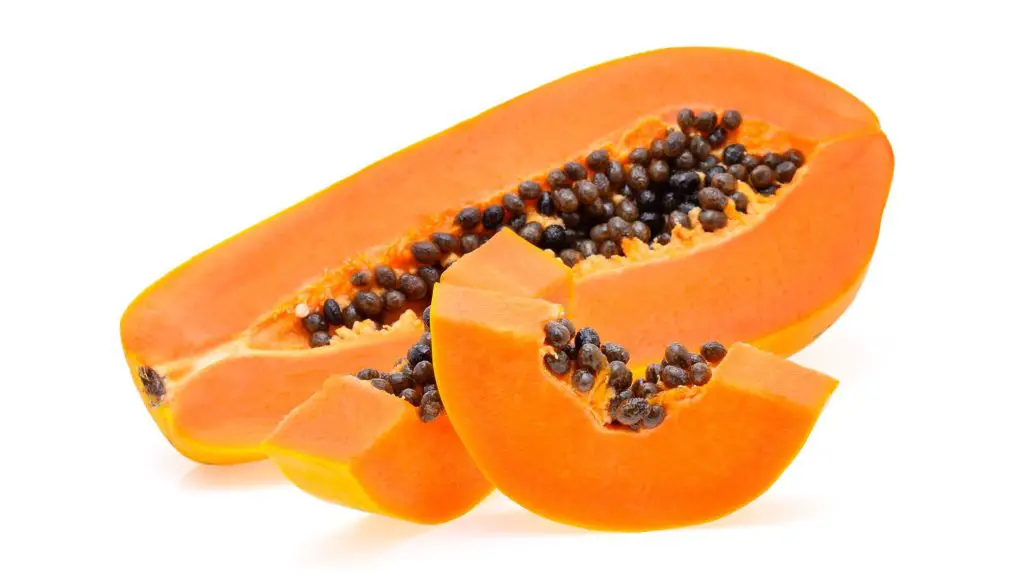
Papaya, also known as Carica papaya, is a vibrant orange fruit native to Central America. It boasts an impressive nutritional profile that includes vitamins A, C, E, and K, folate, potassium, magnesium, and fiber. These nutrients play crucial roles in supporting overall health but are particularly beneficial for heart health.
Vitamin C is an antioxidant that helps combat free radicals in the body while promoting healthy blood vessels. Studies have shown that individuals with higher vitamin C levels tend to have reduced risk factors for cardiovascular disease (CVD). Papaya contains more than 100% of the recommended daily intake of vitamin C per serving.
Additionally, vitamin E found in papayas has been associated with reducing the risk of coronary artery disease by preventing plaque buildup in arteries. This essential fat-soluble vitamin also acts as an antioxidant by protecting cells from damage caused by free radicals.
Fiber Content:
Dietary fiber plays a vital role in maintaining heart health by regulating cholesterol levels and preventing constipation. Papayas are an excellent source of dietary fiber; they contain both soluble and insoluble fibers which aid digestion and support bowel regularity.
Soluble fiber forms a gel-like substance during digestion which binds with cholesterol particles in the digestive tract and aids their excretion from the body. High cholesterol levels are linked to an increased risk of developing heart disease; therefore including foods like papaya can be beneficial for managing cholesterol levels.
Furthermore, insoluble fiber adds bulk to stools aiding proper digestion and preventing constipation. Regular bowel movements are essential for overall health, including heart health.
Antioxidant Properties:
Papaya contains several antioxidants, such as beta-carotene and lycopene, which have been shown to reduce inflammation and oxidative stress in the body. Oxidative stress occurs when there is an imbalance of free radicals and antioxidants in the body, which can lead to chronic diseases like CVD.
Lycopene, a carotenoid pigment responsible for the fruit’s vibrant color, has been associated with reducing LDL (bad) cholesterol levels while increasing HDL (good) cholesterol levels. Studies suggest that lycopene-rich diets may lower the risk of developing heart disease by inhibiting the oxidation of LDL cholesterol.
Moreover, papaya is rich in beta-carotene, another powerful antioxidant that converts into vitamin A within our bodies. Beta-carotene has been linked to a reduced risk of coronary artery disease due to its ability to prevent plaque formation and maintain healthy blood vessels.
Anti-inflammatory Effects:
Chronic inflammation is believed to be one of the leading causes of heart disease. Fortunately, certain compounds found in papaya possess anti-inflammatory properties that may help combat this issue.
One compound present in papayas is called choline; it helps with sleep regulation, muscle movement, learning abilities, and most importantly for heart health – reduces chronic inflammation. Chronic inflammation can damage blood vessels over time and increase the risk of various cardiovascular conditions.
Another beneficial compound found in papayas is called quercetin – a flavonoid known for its potent anti-inflammatory effects. It works by inhibiting pro-inflammatory enzymes and reducing markers of oxidative stress within our bodies.
Blood Pressure Management:
High blood pressure or hypertension is a significant risk factor for developing heart disease. Consuming foods that support healthy blood pressure levels can significantly reduce this risk.
Potassium plays an essential role in regulating blood pressure by balancing sodium levels within the body. Papayas are an excellent source of potassium, with a medium-sized fruit containing approximately 400mg of this vital mineral.
Furthermore, papaya contains a unique enzyme called papain that may help lower blood pressure levels. Research suggests that papain can relax smooth muscle cells surrounding blood vessels, thereby promoting better blood flow and reducing hypertension.
Conclusion:
Incorporating papaya into your diet can be a delicious way to support heart health. The nutrient-dense fruit offers an array of benefits including its rich vitamin and fiber content, powerful antioxidants, anti-inflammatory properties, and potential for managing blood pressure levels.
While it’s important to remember that no single food can guarantee complete protection against heart disease, regularly consuming papaya as part of a balanced diet can undoubtedly contribute to overall cardiovascular wellness. So go ahead and include this tropical delight in your meals or enjoy it as a refreshing snack – your heart will thank you!

Leave a Reply