Hydration is often overlooked when it comes to overall health, but it plays a crucial role in many aspects of our well-being. In this deep-dive post, we will explore the importance of hydration for brain health, digestion and gut health, skin health, joint health, weight management, sleep quality and overall well-being.
1. The Importance of Hydration for Brain Health:
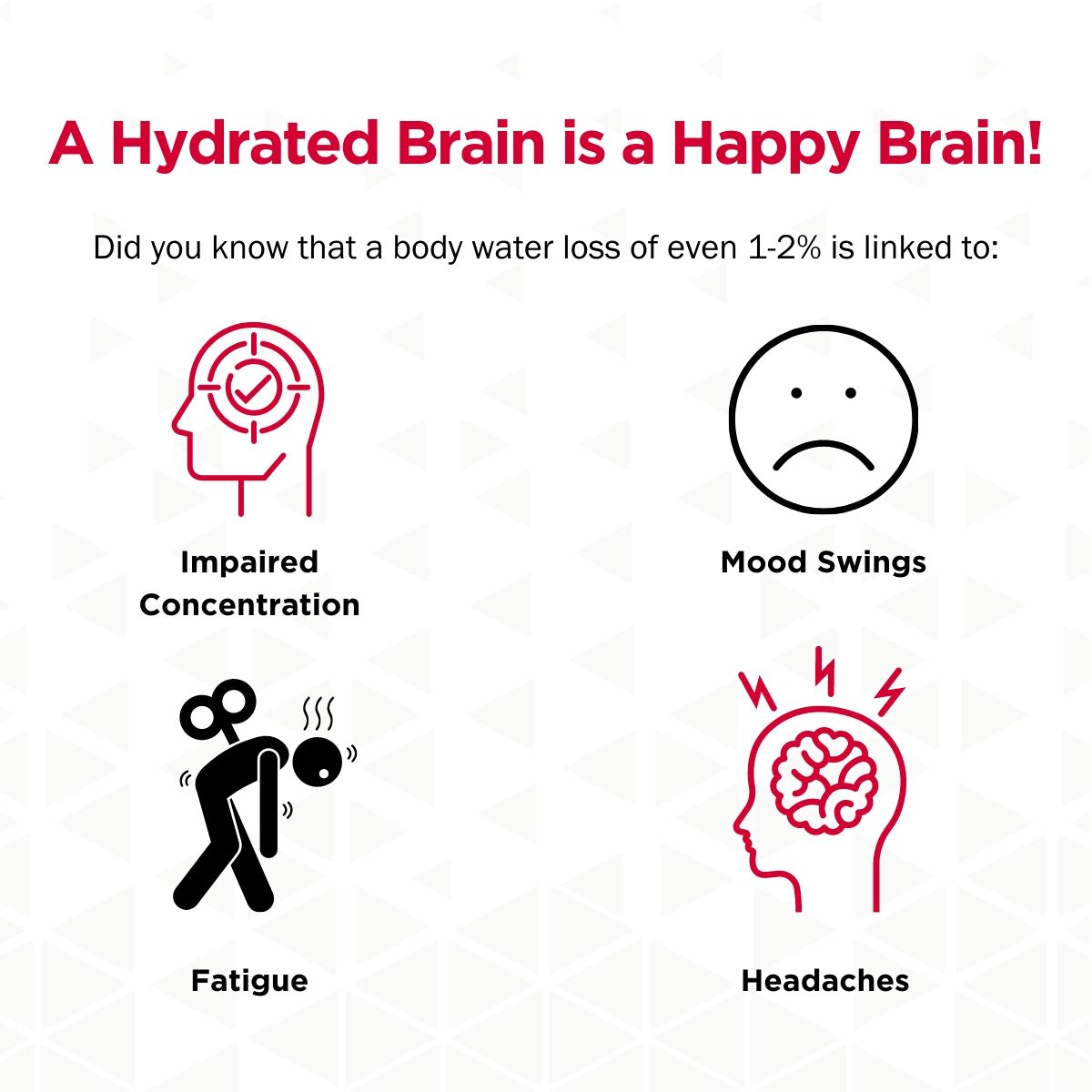
Water is essential for proper brain function. Dehydration can lead to cognitive impairment, difficulty concentrating, and decreased alertness. Staying hydrated helps maintain optimal brain function and improves mental clarity.
2. Hydration Strategies for Athletes with Specific Dietary Restrictions:
Athletes with dietary restrictions need to ensure they are getting enough fluids to support their performance. For example, vegan athletes can incorporate hydrating fruits and vegetables into their diet while vegetarian athletes may focus on plant-based sources like chia seeds or coconut water.
3. The Impact of Hydration on Digestion and Gut Health:
Proper hydration aids in digestion by promoting regular bowel movements and preventing constipation. It also supports a healthy balance of gut bacteria which has numerous benefits for overall gut health.
4. Hydration Tips for Pregnant Women:
Pregnant women require increased fluid intake to support the growth and development of the fetus. They should aim to drink at least 8-10 cups (64-80 ounces) per day and adjust based on individual needs or as advised by their healthcare provider.
5. The Role of Hydration in Managing Chronic Illnesses:
Many chronic illnesses such as diabetes or autoimmune disorders can affect hydration levels in the body. Staying hydrated helps manage symptoms and supports overall wellness.
6. Hydration and Its Effects on Skin Health:
Drinking an adequate amount of water keeps your skin hydrated from within, promoting a healthy complexion, reducing acne breakouts, and improving elasticity.
7. Hydration Techniques for Individuals with Food Allergies or Intolerances:
For individuals with food allergies or intolerances, it’s important to find alternative sources of hydration. Infused water made with fruits and herbs or coconut water can be great options.
8. The Connection Between Hydration and Joint Health:
Proper hydration helps maintain the lubrication of joints, reducing friction and preventing joint pain or stiffness.
9. Hydration Guidelines for Elderly Individuals:
As we age, our bodies may not signal thirst as effectively, making it crucial for elderly individuals to make a conscious effort to drink enough fluids throughout the day.
10. The Benefits of Infused Water for Hydration and Flavor Variety:
Infusing water with fruits, vegetables, or herbs adds flavor while encouraging increased fluid intake. This can be particularly helpful for those who struggle to meet their daily hydration needs.
11. Hydration Myths Debunked: Separating Fact from Fiction:
Dispelling common misconceptions about hydration can help people understand the importance of staying properly hydrated.
12. The Relationship Between Hydration and Weight Management:
Drinking enough water can aid in weight management by promoting satiety, boosting metabolism, and enhancing fat-burning processes.
13. How to Stay Hydrated While Following a Vegan or Vegetarian Diet:
Vegetarians and vegans can ensure adequate hydration by consuming hydrating plant-based foods like cucumber, celery, melons, or leafy greens while also drinking enough fluids throughout the day.
14. Hydration Strategies for Individuals with Diabetes or Insulin Resistance:
Individuals with diabetes need to balance their fluid intake alongside managing their blood sugar levels carefully. Consulting a healthcare provider is essential in developing an appropriate hydration plan specific to their needs.
15.The Impact of Dehydration on Sleep Quality and Overall Well-being:
Dehydration negatively affects sleep quality leading to fatigue during the day which affects overall well-being negatively
16.Hydration Tips for Individuals with Kidney or Urinary Tract Conditions:
Those with kidney or urinary tract conditions need to monitor their fluid intake carefully. Consulting a healthcare provider can help determine the appropriate amount of fluids needed.
17.Understanding the Link Between Hydration and Mood Regulation:
Dehydration can contribute to mood swings, irritability, and poor cognitive function. Staying hydrated supports stable moods and overall mental well-being.
18.The Role of Electrolytes in Optimal Hydration:
Electrolytes are essential for maintaining proper fluid balance in our bodies. Consuming electrolyte-rich foods or beverages helps replenish these important minerals lost through sweating or other bodily processes.
19.Hydration Techniques for Individuals with Autoimmune Disorders:
Autoimmune disorders can cause inflammation and affect hydration levels in the body. Ensuring adequate hydration is crucial for managing symptoms and supporting overall health.
20.The Effects of Dehydration on Exercise Performance and Recovery:
Dehydration during exercise leads to decreased endurance, reduced performance, and prolonged recovery time. Proper hydration before, during, and after physical activity is vital for optimal performance and recovery.
In conclusion, staying properly hydrated plays a significant role in brain health, digestion, skin health, joint health, weight management, sleep quality,and overall well-being across various populations including athletes,different dietary restrictions,pregnancy stage,kidney problems etc. Incorporating strategies that suit individual needs such as infused water,various hydrating food sources,sufficient water intake based on specific requirements will greatly benefit one’s health.

Leave a Reply