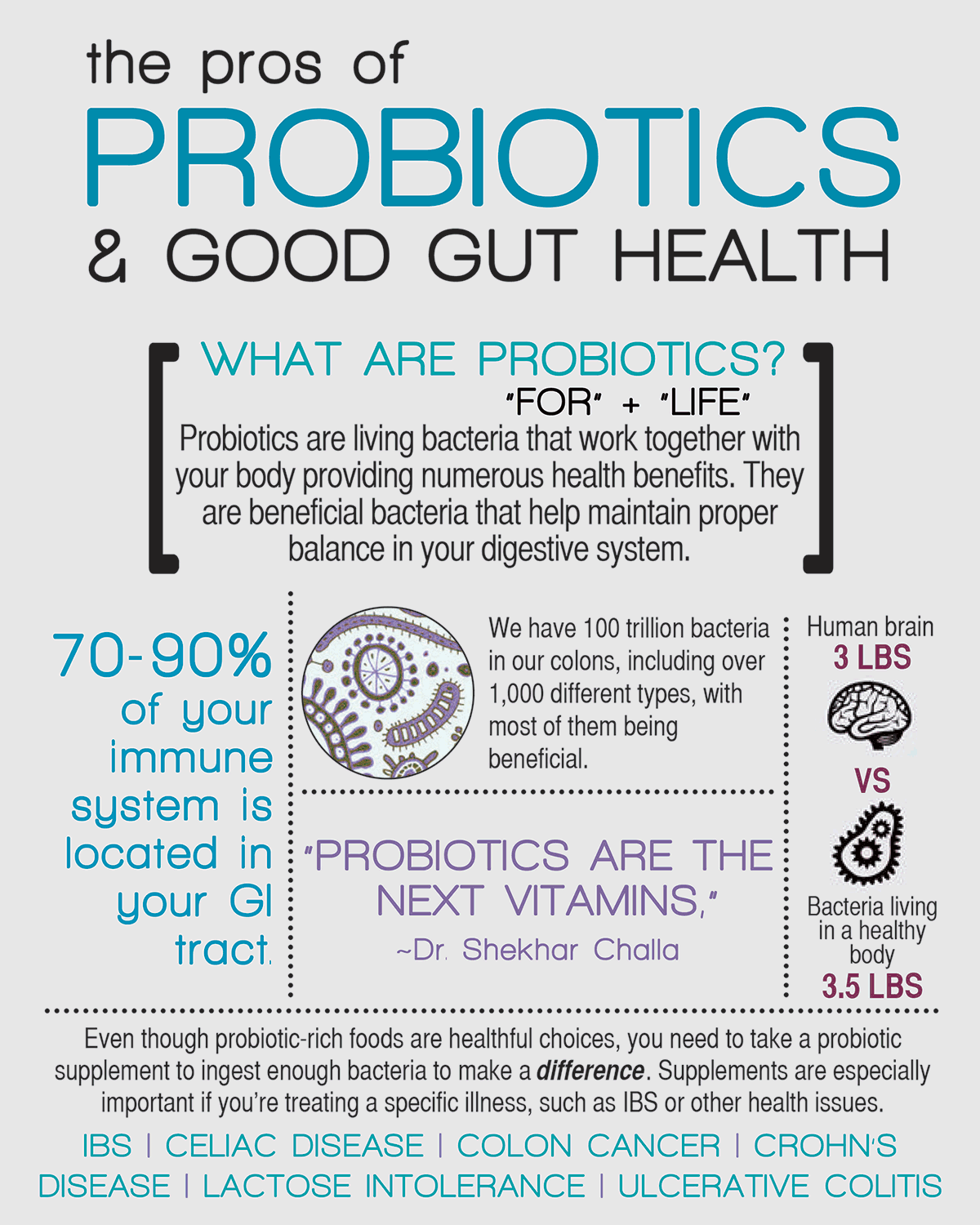
Probiotics: The Friendly Bacteria That Do More Than Just Aid Digestion
When you think of probiotics, what comes to mind? Most likely, it’s their ability to support digestive health. But did you know that these friendly bacteria can also have a profound impact on other aspects of your well-being? From dental health to mental health, and even fertility, the benefits of probiotics extend far beyond your gut.
1. Probiotics and Dental Health
You may not associate probiotics with clean teeth and fresh breath, but research suggests that they can play a significant role in maintaining optimal oral health. Certain strains of probiotics, such as Lactobacillus reuteri and Streptococcus salivarius, have been shown to reduce the growth of harmful bacteria in the mouth and inhibit the formation of plaque. By promoting a healthy balance of oral microflora, probiotics can help prevent cavities and gum disease.
2. Probiotics for Reducing Allergy Symptoms
If seasonal allergies leave you reaching for tissues every spring, adding probiotics to your daily routine might offer some relief. Studies suggest that certain strains, such as Lactobacillus rhamnosus GG and Bifidobacterium lactis BB-12, can modulate immune responses and reduce allergic reactions. By supporting a balanced immune system, these beneficial bacteria may help alleviate symptoms like sneezing, itching, and congestion.
3. The Impact of Probiotics on Mental Health
Believe it or not, there is a strong connection between your gut and your brain. This connection is known as the gut-brain axis. Emerging research indicates that by influencing the gut microbiota composition through probiotic supplementation (especially with strains like Bifidobacterium longum), it may be possible to positively impact mental health conditions such as anxiety and depression.
4. Probiotics and Skin Conditions
If you struggle with skin conditions like acne, eczema, or rosacea, probiotics might be a game-changer for you. The gut-skin axis is another fascinating connection that demonstrates how imbalances in the gut microbiome can manifest as skin problems. By restoring microbial balance through probiotic supplementation (particularly with strains like Lactobacillus acidophilus and Bifidobacterium bifidum), it’s possible to improve skin health and reduce inflammation.
5. Probiotics for Improving Athletic Performance
Looking to boost your exercise performance? Probiotics might just give you an extra edge. Studies have shown that certain strains of probiotics, such as Bacillus coagulans and Lactobacillus plantarum, can enhance athletic performance by improving nutrient absorption, reducing oxidative stress, and supporting overall immune function. So next time you hit the gym or lace up your running shoes, consider adding some friendly bacteria to your regimen.
6. Probiotics and Weight Loss
While there’s no magic pill for shedding pounds effortlessly, incorporating probiotics into a balanced diet and lifestyle may aid in weight management efforts. Research suggests that certain strains of probiotics (like Lactobacillus gasseri) can help regulate appetite hormones, improve insulin sensitivity, and promote healthy digestion – all factors that play a role in maintaining a healthy weight.
7. The Role of Probiotics in Managing Diabetes
For individuals living with diabetes or those at risk of developing the condition, incorporating probiotics into their daily routine may offer significant benefits. Studies have shown that specific strains of beneficial bacteria can help regulate blood sugar levels by improving insulin sensitivity and reducing inflammation markers associated with diabetes.
8. Probiotics and Fertility
When it comes to fertility struggles, optimizing gut health might not be the first thing that comes to mind. However, research suggests that maintaining a healthy balance of gut bacteria can positively influence reproductive health. Certain probiotic strains, such as Lactobacillus rhamnosus and Lactobacillus acidophilus, have shown promise in supporting fertility by reducing inflammation, improving hormone balance, and enhancing nutrient absorption.
9. Probiotics for Reducing Cholesterol Levels
High cholesterol levels are a significant risk factor for heart disease. Fortunately, probiotics may offer a natural way to help manage cholesterol levels. Studies have indicated that specific strains like Lactobacillus reuteri NCIMB 30242 can lower LDL (bad) cholesterol while raising HDL (good) cholesterol. By including these beneficial bacteria in your diet or through supplementation, you may be able to support heart health.
10. The Effects of Probiotics on Gut-Brain Communication
The gut-brain axis is a complex communication network between the gut and the brain that influences various aspects of our well-being, including mood and cognition. Emerging research suggests that certain probiotic strains can positively impact this communication system by producing neurotransmitters like serotonin and gamma-aminobutyric acid (GABA). Maintaining a healthy gut microbiome through proper probiotic supplementation could potentially lead to improved mental clarity and emotional well-being.
11. Probiotics and Liver Health
Your liver plays a vital role in detoxification processes within your body. Research indicates that certain probiotics, such as Saccharomyces boulardii and Bifidobacterium breve, can protect liver cells from damage caused by toxins while promoting overall liver health. Including these friendly bacteria in your daily routine may offer some added protection for this vital organ.
12. Probiotics for Managing Irritable Bowel Syndrome (IBS)
Irritable bowel syndrome (IBS) affects millions of people worldwide, causing uncomfortable symptoms like bloating, abdominal pain, diarrhea or constipation. While there is no cure for IBS, probiotics have shown promise in managing symptoms. Strains like Bifidobacterium infantis and Lactobacillus plantarum can help normalize bowel movements, reduce inflammation, and improve overall gut function.
13. The Impact of Probiotics on Sleep Quality
Struggling with poor sleep? Your gut health might just be the missing piece of the puzzle. Emerging evidence suggests that certain strains of probiotics, such as Lactobacillus helveticus and Bifidobacterium longum, can positively impact sleep quality by modulating neurotransmitters involved in regulating sleep-wake cycles. By supporting a healthy gut microbiome through probiotic supplementation, you may experience improved sleep patterns.
14. Probiotics and Eye Health
While it may seem unrelated, maintaining a healthy balance of gut bacteria can also benefit your eyesight. Certain strains of probiotics produce essential nutrients like vitamin A and antioxidants that play a crucial role in eye health. Additionally, studies suggest that Lactobacillus acidophilus may help reduce the risk of age-related macular degeneration (AMD), a leading cause of vision loss among older adults.
15. Probiotics for Promoting Hair Growth
If you’ve been dealing with hair loss or thinning hair, incorporating probiotics into your routine might be worth considering. Research indicates that specific strains like Lactobacillus fermentum can promote hair growth by improving nutrient absorption and reducing scalp inflammation associated with conditions like alopecia areata.
16. The Role of Probiotics in Preventing Urinary Tract Infections (UTIs)
Urinary tract infections (UTIs) are common bacterial infections affecting millions each year – primarily women. Studies show that certain strains of probiotics, such as Lactobacillus rhamnosus GR-1 and Lactobacillus reuteri RC-14, can inhibit the growth of harmful bacteria in the urinary tract and prevent recurrent UTIs. By maintaining a healthy balance of beneficial bacteria, you may reduce your risk of these uncomfortable infections.
17. Probiotics and Bone Density
Maintaining strong bones is crucial for overall health, especially as we age. Research suggests that probiotics can play a role in promoting bone health by enhancing calcium absorption and reducing inflammation markers associated with osteoporosis. Strains like Lactobacillus plantarum have shown promise in supporting optimal bone density.
18. Probiotics for Reducing the Risk of Certain Cancers
While more research is needed to fully understand the relationship between probiotics and cancer prevention, initial studies show promising results. Some strains, such as Lactobacillus acidophilus and Bifidobacterium bifidum, have demonstrated anti-cancer properties by inhibiting tumor growth and boosting immune responses against cancer cells.
19. The Effects of Probiotics on Lactose Intolerance
Lactose intolerance affects individuals who have difficulty digesting lactose, the sugar found in dairy products. While it’s not possible to cure lactose intolerance, certain probiotic strains like Lactobacillus acidophilus can help improve lactose digestion by breaking down this sugar into more easily digestible forms.
20. Probiotics and Thyroid Function
Emerging evidence suggests that imbalances in gut bacteria may be linked to thyroid disorders like hypothyroidism or Hashimoto’s disease. By restoring gut microbiota balance through probiotic supplementation (especially with strains like Bifidobacterium longum), it may be possible to support thyroid function and potentially alleviate some symptoms associated with these conditions.
21.Probiotic Strains Specifically Beneficial During Pregnancy
Pregnancy comes with its own set of unique challenges when it comes to maintaining optimal health – both for the mother-to-be and the developing baby. Specific probiotic strains, such as Lactobacillus rhamnosus HN001 and Bifidobacterium lactis HN019, have shown promise in supporting a healthy pregnancy by reducing the risk of gestational diabetes, preventing preterm birth, and promoting overall maternal well-being.
22.Probiotic Use in Children with Autism Spectrum Disorder (ASD)
Autism spectrum disorder (ASD) is a neurodevelopmental condition characterized by social communication difficulties and repetitive behaviors. While there is no cure for ASD, research suggests that certain probiotics may help improve symptoms and quality of life in children with ASD. Strains like Lactobacillus plantarum PS128 have shown potential in reducing anxiety, improving gut function, and modulating behavior.
23.Probiotic Supplementation for Managing Chronic Fatigue Syndrome (CFS)
Chronic fatigue syndrome (CFS), also known as myalgic encephalomyelitis (ME), is a complex condition characterized by persistent fatigue that doesn’t improve with rest. While the exact cause of CFS remains unclear, studies indicate that imbalances in gut bacteria may contribute to its development. Probiotics like Bifidobacterium infantis 35624 have demonstrated some efficacy in managing symptoms associated with CFS.
24.Probiotic Strains Effective Against Antibiotic-Resistant Bacteria
Antibiotic resistance is a growing concern worldwide. Fortunately, certain strains of probiotics have been found to possess antimicrobial properties against antibiotic-resistant bacteria like methicillin-resistant Staphylococcus aureus (MRSA). Not only can these beneficial bacteria support your immune system but they may also offer protection against potentially dangerous infections.
25.The Impact of Probiotics on Menstrual Health
Maintaining hormonal balance is crucial for menstrual health. Research suggests that certain probiotic strains can positively influence hormonal regulation by modulating estrogen levels and reducing inflammation associated with menstrual disorders like dysmenorrhea (painful periods). By supporting a healthy gut microbiome, probiotics may play a role in promoting regular and symptom-free menstrual cycles.
Incorporating Probiotics into Your Routine
Now that you’re aware of the wide-ranging benefits of probiotics, you might be wondering how to introduce them into your daily routine. While naturally fermented foods like yogurt, sauerkraut, kefir, and kimchi are excellent sources of probiotics, they may not always provide enough beneficial bacteria for therapeutic purposes.
If you’re looking for targeted support or have specific health concerns, consider incorporating a high-quality probiotic supplement containing multiple strains and adequate colony-forming units (CFUs). Always consult with your healthcare provider before starting any new supplements or making significant changes to your diet.
Remember – while probiotics offer numerous potential benefits for overall health and well-being, they should complement a balanced lifestyle that includes proper nutrition, regular exercise, stress management techniques, and sufficient sleep. With this holistic approach to wellness and the help of these friendly bacteria,
you can optimize your health from head to toe!

Leave a Reply